30 Architectural Buildings To Visit In New Jersey That Tell A Story
The beauty of New Jersey lies in its architectural variety and historical depth. Every building has meaning, telling stories of people and progress.
Oct 22, 2025
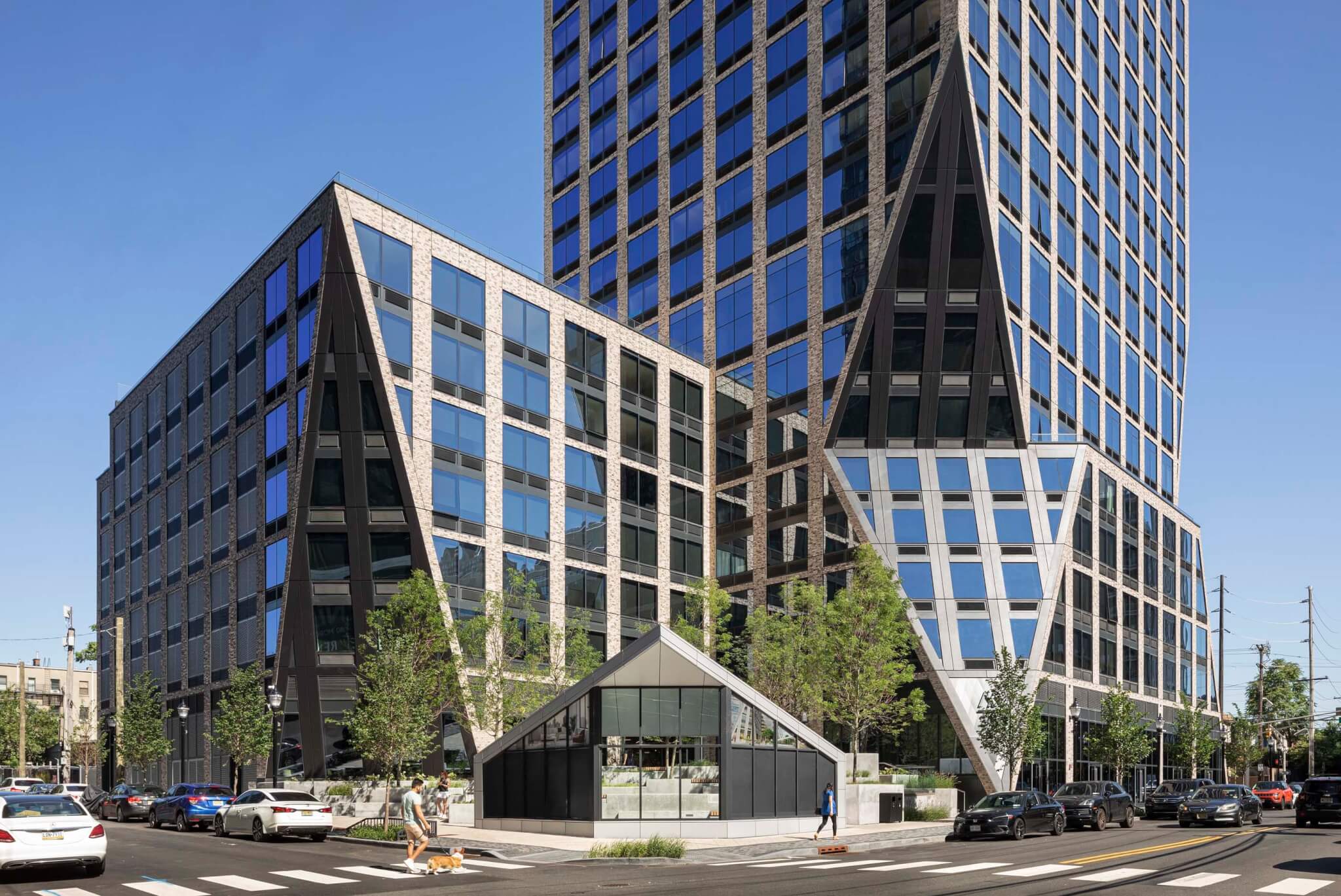
New Jersey's Architectural Treasures Await Your Discovery
New Jersey holds a surprising secret that most people overlook. While many rush through the state on their way elsewhere, they miss some of the most remarkable architectural achievements on the East Coast. Spanning four centuries of design evolution, the Garden State showcases everything from 17th-century Dutch Colonial homes to soaring Gothic Revival chapels and modernist masterpieces.
Ready to experience these masterpieces for yourself? Let me walk you through 30 must-see buildings that showcase the full spectrum of architectural brilliance found throughout New Jersey.
1.Princeton University Chapel – Princeton
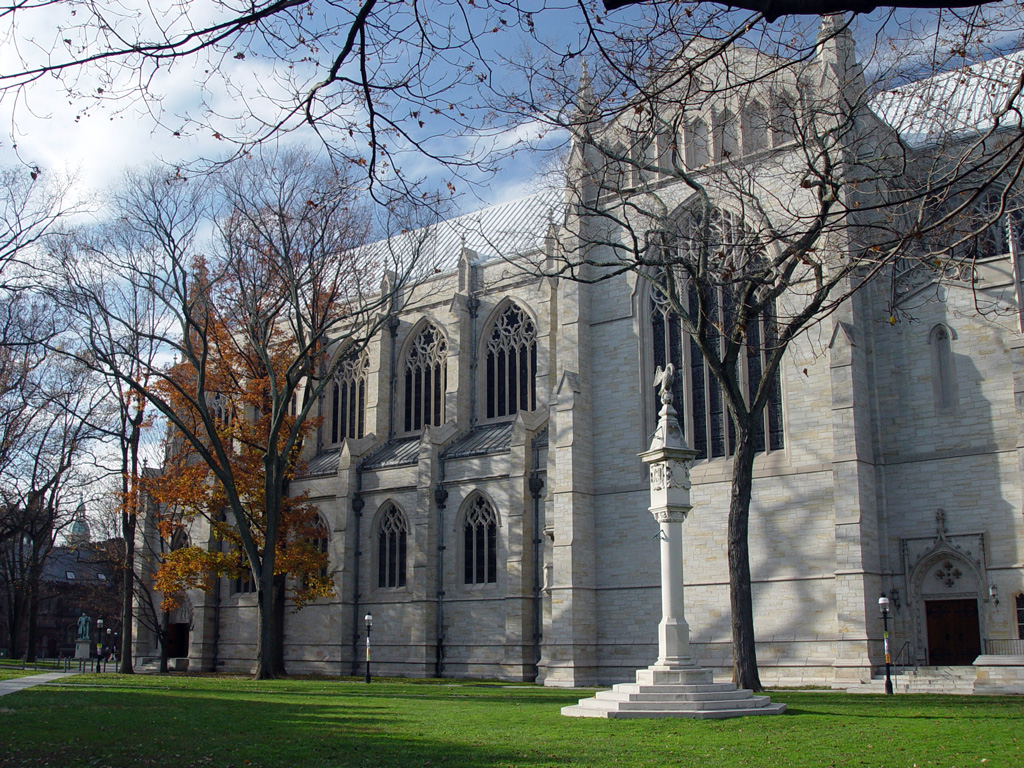
The Princeton University Chapel stands as one of the finest examples of Collegiate Gothic architecture in America. Completed in 1928 and designed by Ralph Adams Cram, the chapel features pointed arches, ribbed vaulting, and intricate stone tracery inspired by English Gothic architecture.
What makes it special:The chapel seats 1,900 people and serves as the ceremonial heart of Princeton's campus. Inside, you'll find stunning stained glass windows that fill the space with colored light throughout the day.
How to visit:The chapel is open to visitors daily for self-guided tours. Check the chapel's website for service times and special concerts. Public parking is available at nearby lots, though walking from downtown Princeton gives you the chance to admire other campus buildings along the way.
2. Lucy The Elephant – Margate City
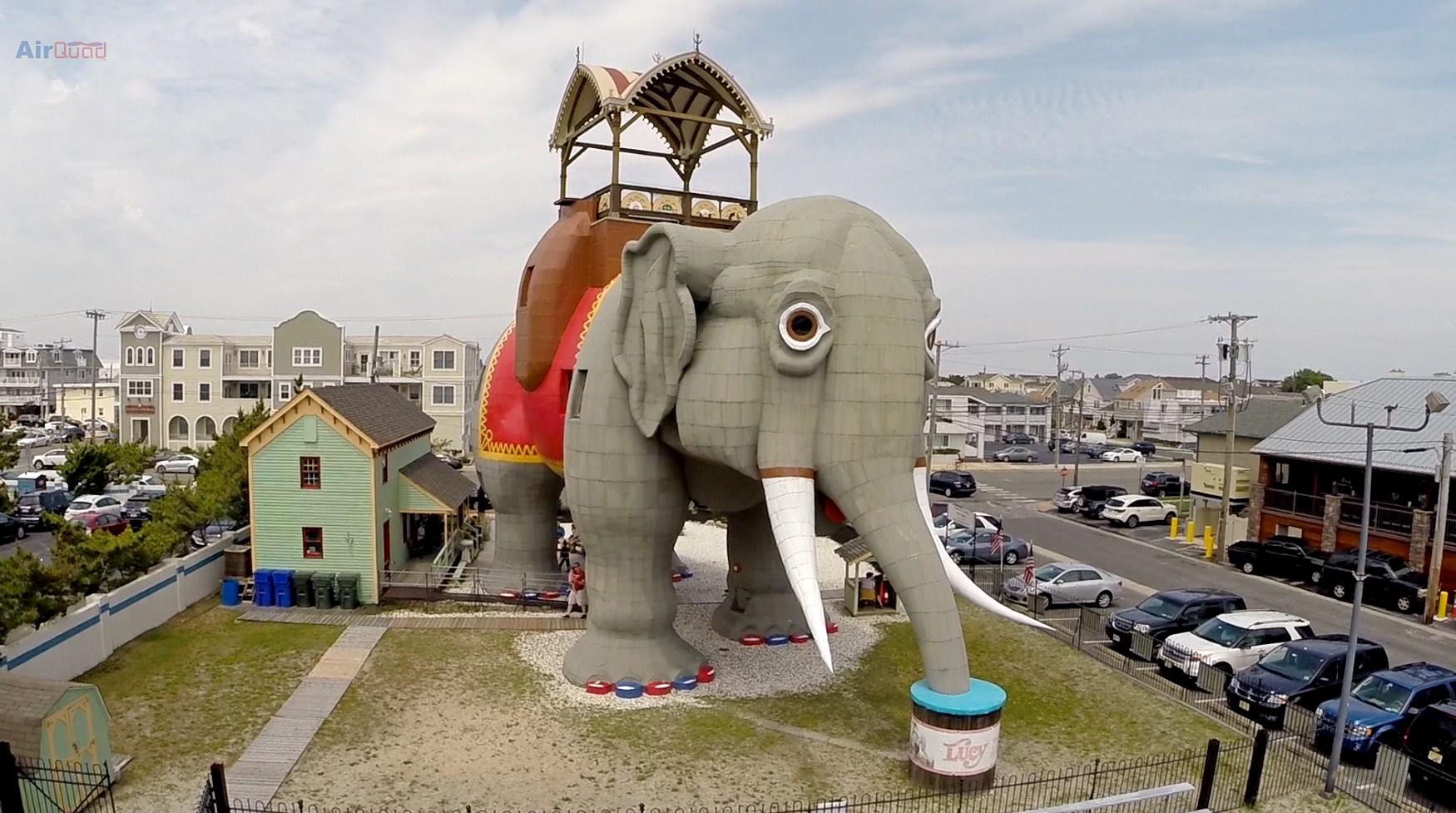
Built in 1881, Lucy the Elephant is a six-story building shaped like an elephant, representing eccentric Victorian-era promotional architecture. This National Historic Landmark was originally constructed to attract real estate buyers to South Atlantic City.
What makes it special:Standing 65 feet tall, Lucy is the oldest surviving roadside attraction in America. The interior features Victorian-era furnishings and historical exhibits about the building's colorful past.
How to visit:Lucy offers guided tours from April through December. Tours last about 20 minutes and require climbing steep stairs. The gift shop offers unique elephant-themed souvenirs perfect for remembering your visit.
3. Grounds For Sculpture – Hamilton Township
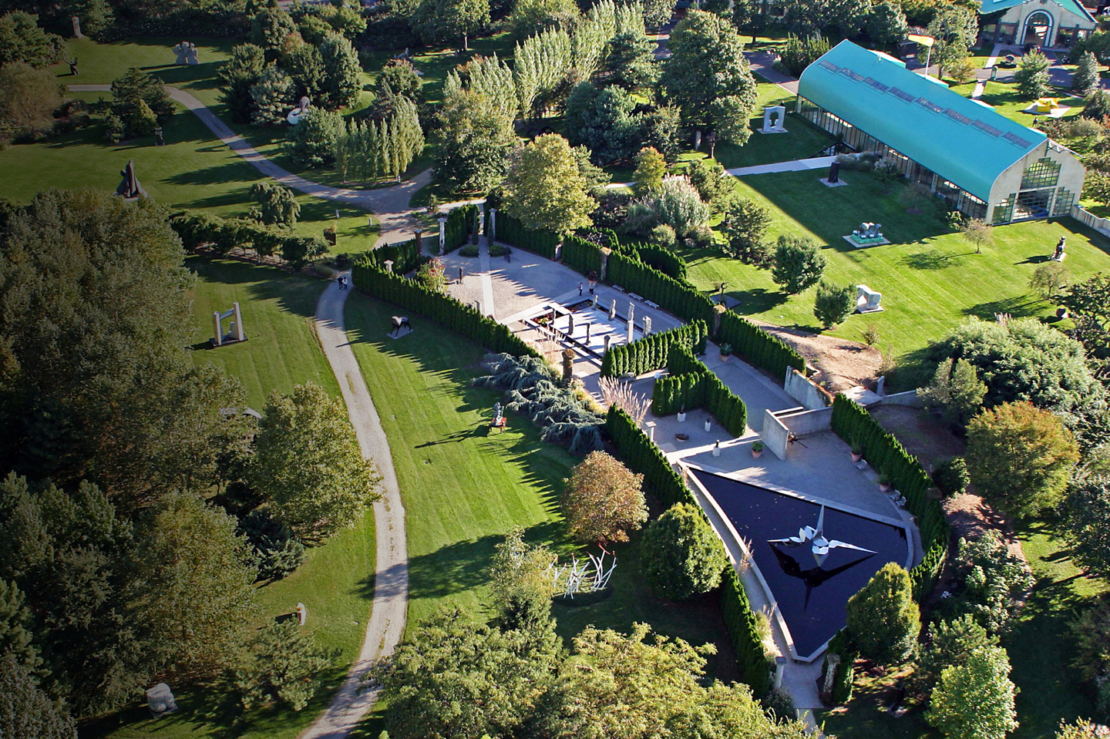
This 42-acre sculpture park and museum combines contemporary art with landscape design, featuring buildings by renowned architect Michael Graves. The converted industrial site now showcases striking modern structures that complement outdoor sculptures, creating an experience of interactive architecturewhere visitors engage physically and visually with the art and buildings.
What makes it special:The architecture seamlessly blends indoor galleries with outdoor spaces, creating surprise vistas and intimate garden rooms. The grounds feature multiple buildings, each with distinct character and purpose.
How to visit:Purchase tickets online in advance, especially during peak seasons. Plan for at least three hours to fully appreciate both the architecture and sculptures. The on-site restaurant, Rats, occupies a stunning Monet-inspired building worth seeing even if you don't dine there.
4. Cape May Historic District – Cape May
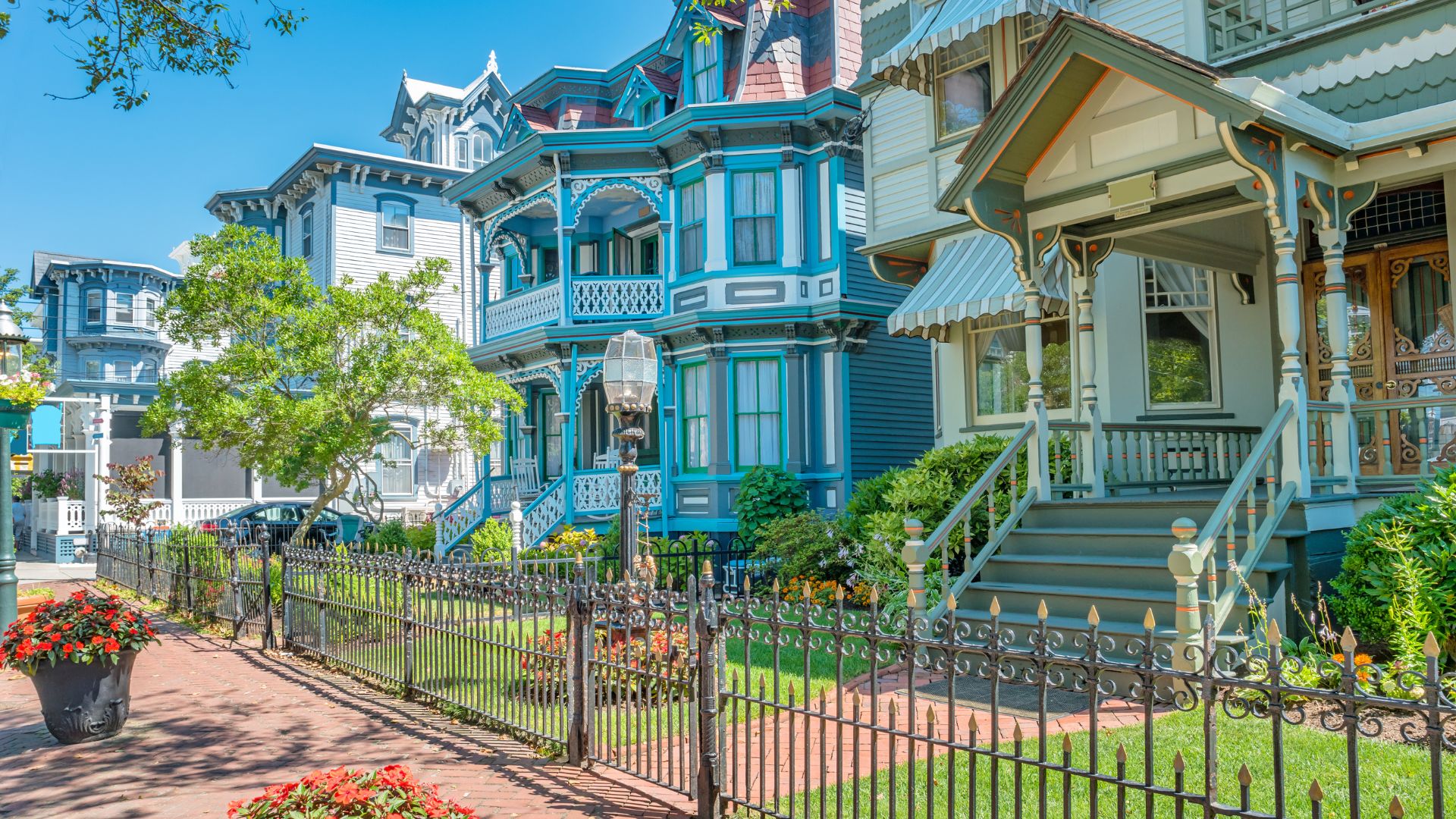
Cape May contains over 600 preserved Victorian buildings, making it one of the largest collections of 19th-century architecture in America. The town is known for its beautifully preserved Victorian architecture, featuring elaborate gingerbread trim, wraparound porches, and pastel color schemes.
What makes it special:The entire town functions as a living museum where you can walk through streets lined with authentically restored buildings. Many structures now serve as bed-and-breakfasts, allowing you to experience Victorian architecture from the inside.
How to visit:Start at the Cape May Welcome Center for maps and trolley tour information. Spring and fall offer pleasant weather and fewer crowds. Many buildings offer interior tours during summer months.
5. Edison National Historic Site – West Orange
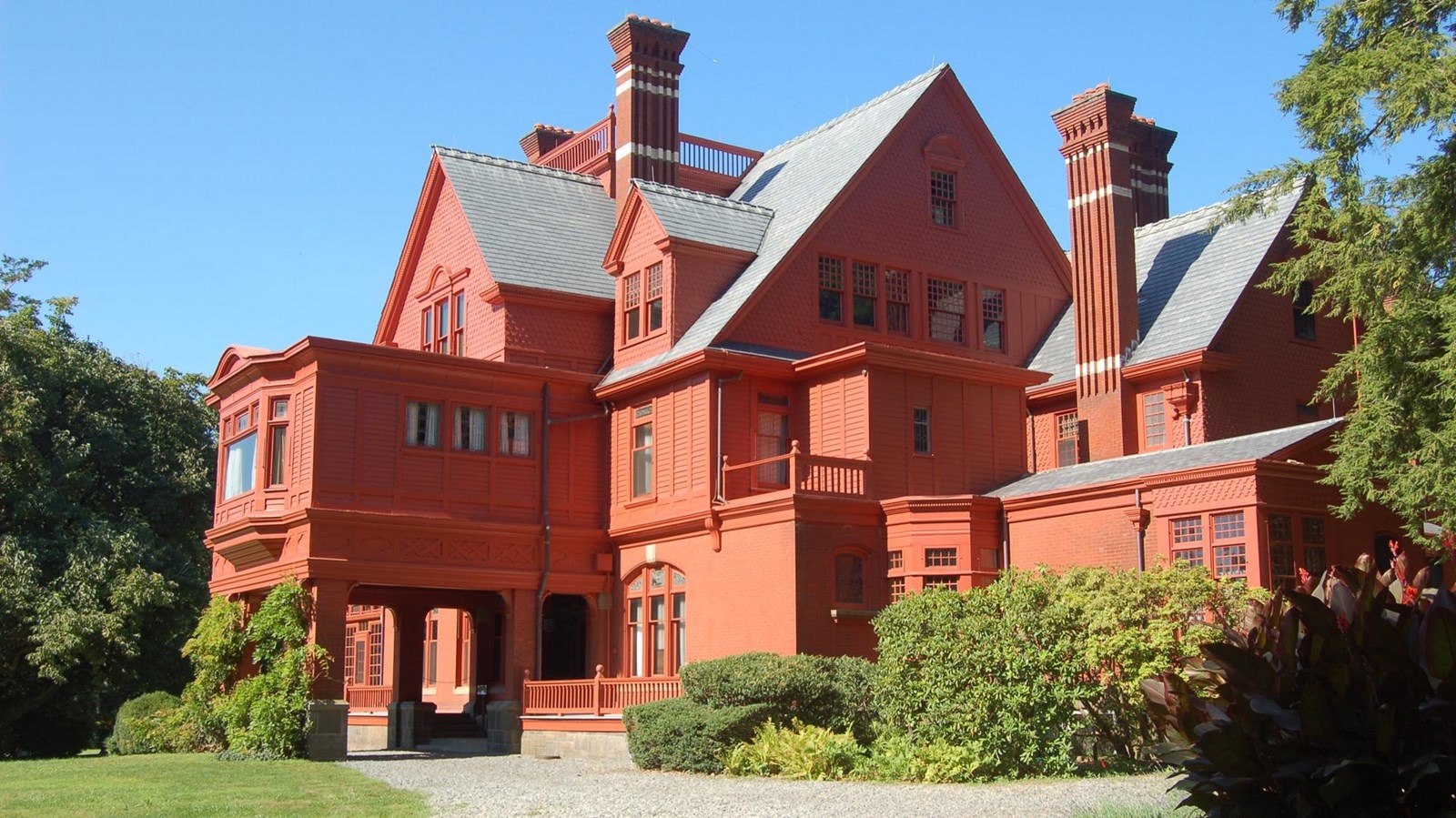
Thomas Edison's laboratory complex represents industrial architecture from the late 19th century. The site includes the main laboratory building where Edison and his team developed innovations including the motion picture camera and improved phonograph.
What makes it special:The buildings remain largely unchanged from Edison's time, offering an authentic glimpse into the inventor's working environment. The chemistry lab, machine shop, and library showcase the interconnected spaces that facilitated rapid innovation.
How to visit:The cathedral welcomes visitors daily, though calling ahead confirms availability during special services. Free parking is available in the adjacent lot. Consider attending a service to experience the building's exceptional acoustics.
6. Cathedral Basilica Of The Sacred Heart – Newark
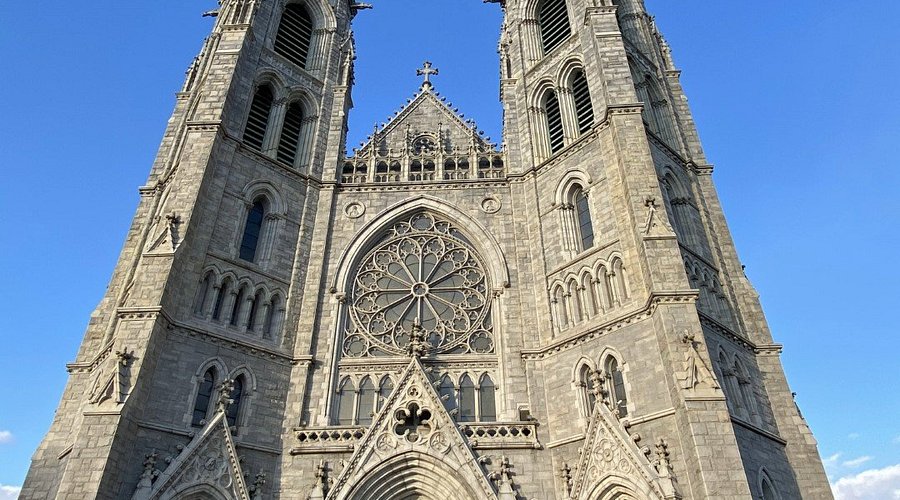
This French Gothic cathedral, completed in 1954, ranks as the fifth-largest cathedral in North America. The building took 58 years to construct and features limestone exterior walls, flying buttresses, and towering spires.
What makes it special:The interior rises 100 feet and stretches 365 feet long, creating an awe-inspiring vertical space. The stained glass windows, imported from European craftsmen, depict religious scenes with remarkable detail and color.
How to visit:The cathedral welcomes visitors daily, though calling ahead confirms availability during special services. Free parking is available in the adjacent lot. Consider attending a service to experience the building's exceptional acoustics.
7. Battleship New Jersey – Camden
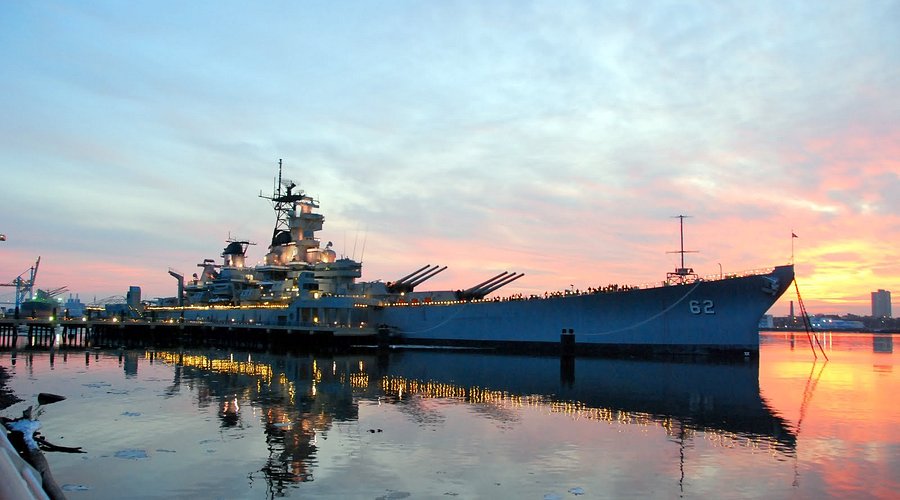
This Iowa-class battleship, now a floating museum, represents mid-20th century naval architecture and engineering. Commissioned in 1943, the ship served in World War II, Korea, Vietnam, and the Persian Gulf.
What makes it special:At 887 feet long, the battleship allows you to explore nine decks, from the officers' quarters to the massive gun turrets. The ship's superstructure demonstrates how naval architects created a floating city capable of sustained combat operations.
How to visit:Book tours online, ranging from basic tours to overnight encampments. Wear comfortable shoes as tours involve climbing steep ladders. The ship is moored year-round, though winter visits can be cold on the open decks.
8. Morven Museum & Garden – Princeton
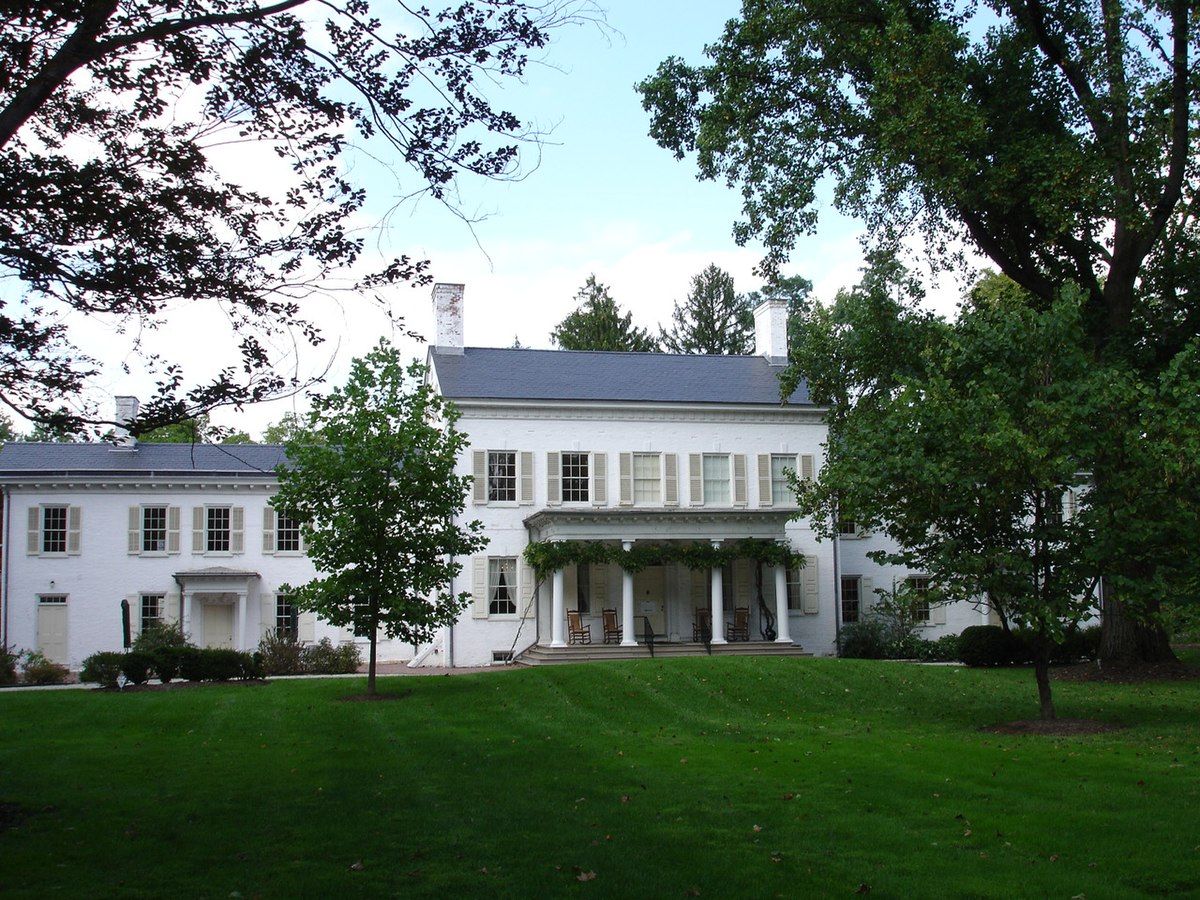
This Georgian Colonial mansion, built around 1758, served as home to a signer of the Declaration of Independence and later as New Jersey's official governor's residence. The building exemplifies 18th-century elite residential architecture.
What makes it special:The mansion features carefully restored period rooms showing evolving interior design trends across two centuries. The formal gardens complement the architecture, demonstrating how landscape design enhanced Georgian homes.
How to visit:Guided tours run Wednesday through Sunday. The museum hosts special exhibitions in addition to permanent collections. The gardens remain accessible during museum hours for self-guided walks.
9. Sterling Hill Mining Museum – Ogdensburg
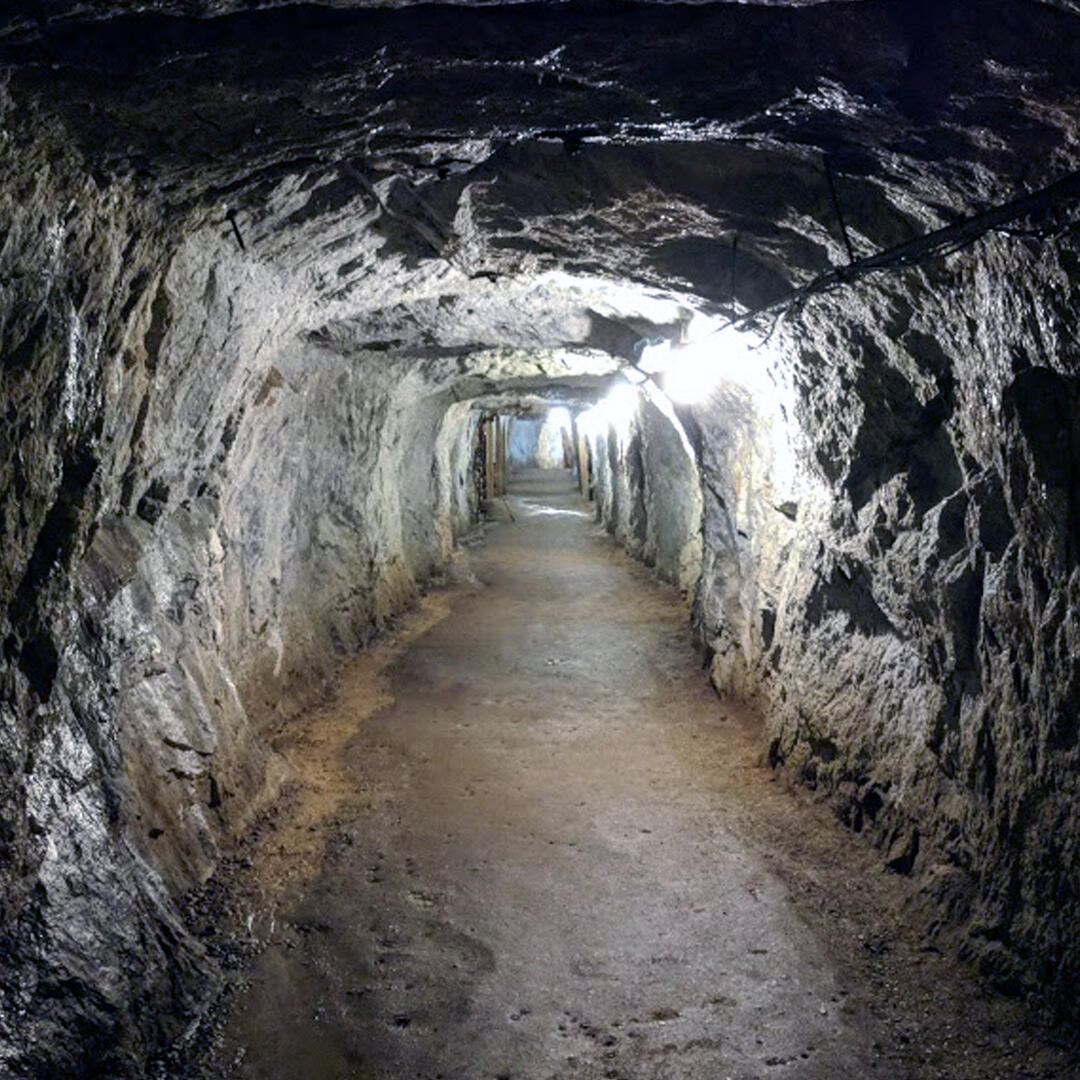
The original mine buildings and tunnels showcase industrial architecture adapted to mining operations. The complex includes above-ground processing buildings and the famous Rainbow Tunnel, lit to display fluorescent minerals.
What makes it special:The industrial structures demonstrate how form follows function in mining architecture. The buildings evolved organically over decades as mining techniques changed, creating a visual history of industrial engineering.
How to visit:Underground mine tours require advance reservations. Dress warmly as the mine maintains a constant 56-degree temperature. The surface museum displays mining equipment and regional history.
10. Ringwood Manor – Ringwood
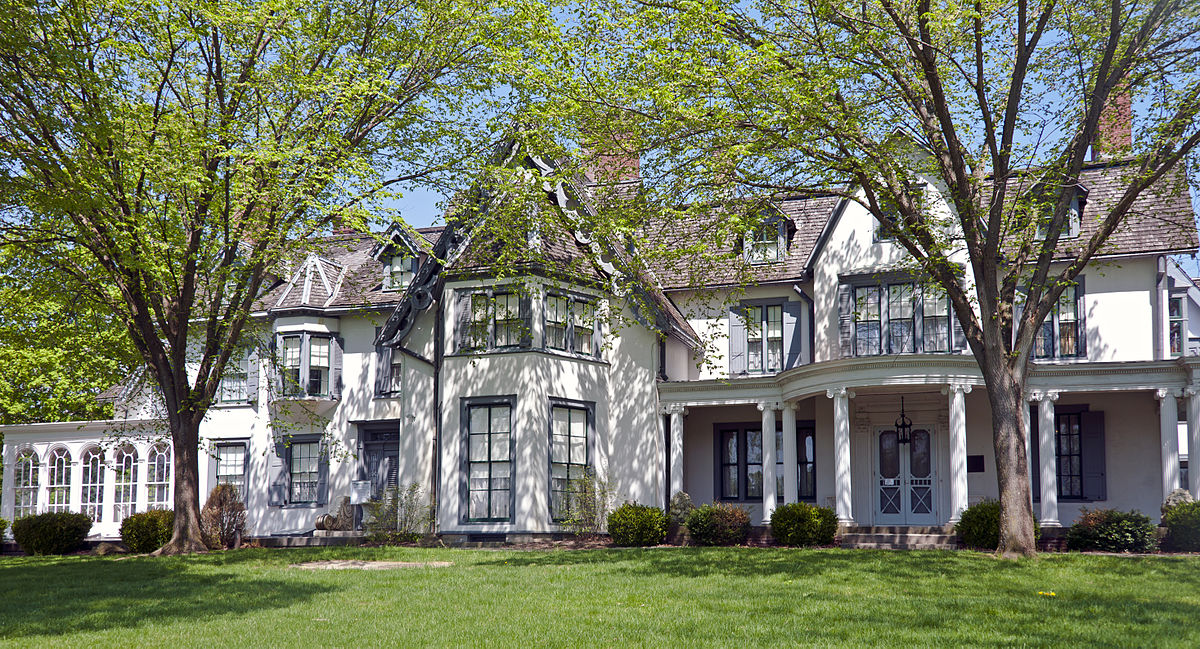
This 51-room mansion represents Victorian Gothic Revival architecture at its most romantic. Built in stages from the 1760s through the 1930s, the manor house incorporates multiple architectural styles around an original ironmaster's home.
What makes it special:The building materials tell a story of local industry, with iron fittings made on site and stone quarried from nearby hills. Each addition reflects changing architectural fashions while maintaining harmony with earlier sections.
How to visit:The manor operates as a house museum with guided tours. Surrounding Ringwood State Park offers hiking trails and picnic areas. Plan your visit for spring when the rhododendrons bloom around the mansion. The blooming rhododendron gardens and lake views make Ringwood Manor one of the state’s most romantic proposal spots, blending natural beauty with timeless architecture.
11. 11. Old Barracks Museum – Trenton
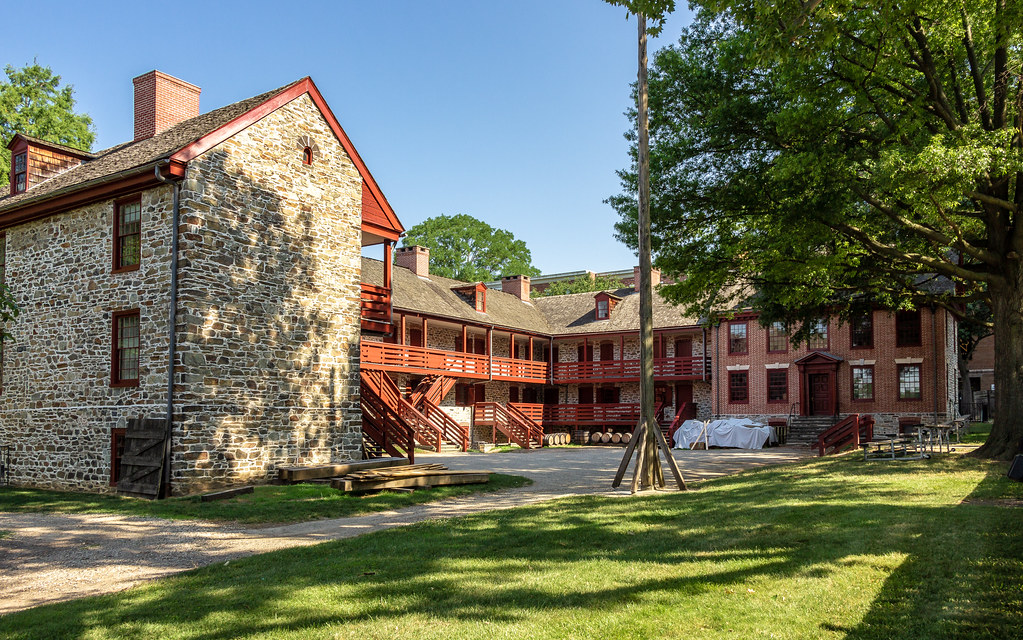
Built in 1758 to house British soldiers during the French and Indian War, this stone barracks represents military architecture of the colonial period. It's the only remaining colonial barracks in New Jersey.
What makes it special:The long, two-story stone building shows how military architects created efficient, defensible housing. The thick walls, small windows, and central location demonstrate strategic thinking in 18th-century military planning.
How to visit:Guided tours bring colonial history to life with costumed interpreters. The museum offers special programs throughout the year, including reenactments and hands-on activities. Street parking is available nearby.
12. Macculloch Hall Historical Museum – Morristown
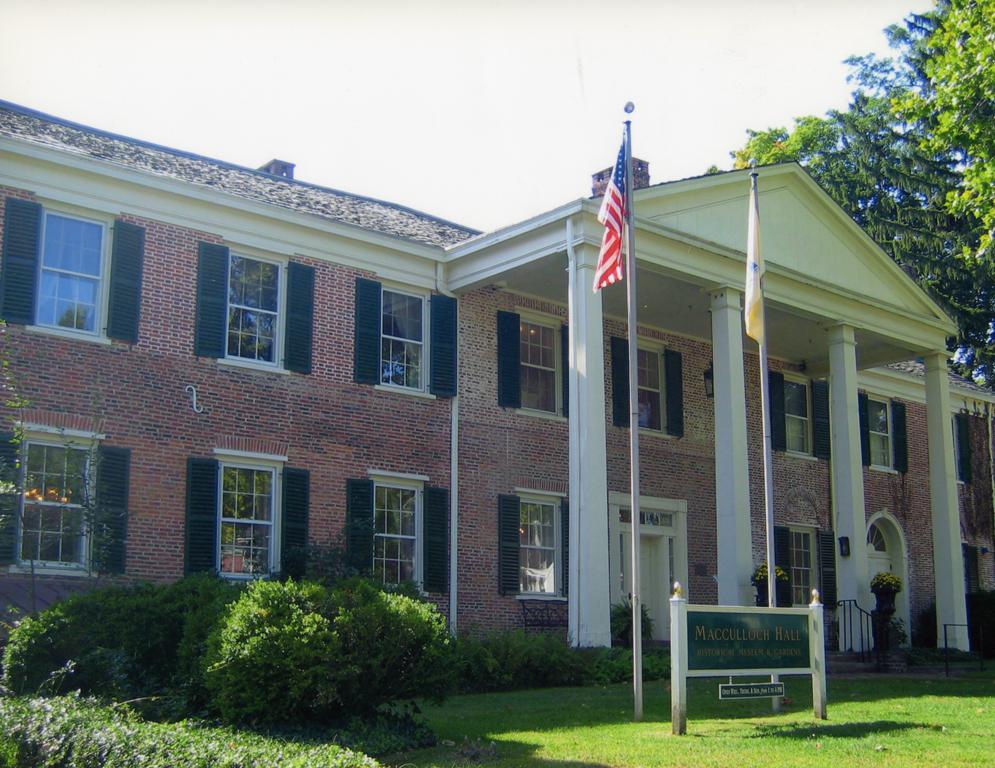
This Federal-style mansion, completed in 1810, showcases early American residential architecture for wealthy families. The building features elegant proportions, decorative details, and period furnishings.
What makes it special:The mansion demonstrates how Federal architecture refined Georgian colonial styles with more delicate ornamentation. The interior woodwork, fireplaces, and plasterwork show exceptional craftsmanship.
How to visit:Tours run on select days, focusing on both architecture and the decorative arts collection. The garden, designed by landscape architect W. Parsons Todd, complements the building's formal symmetry.
13. Montclair Art Museum – Montclair
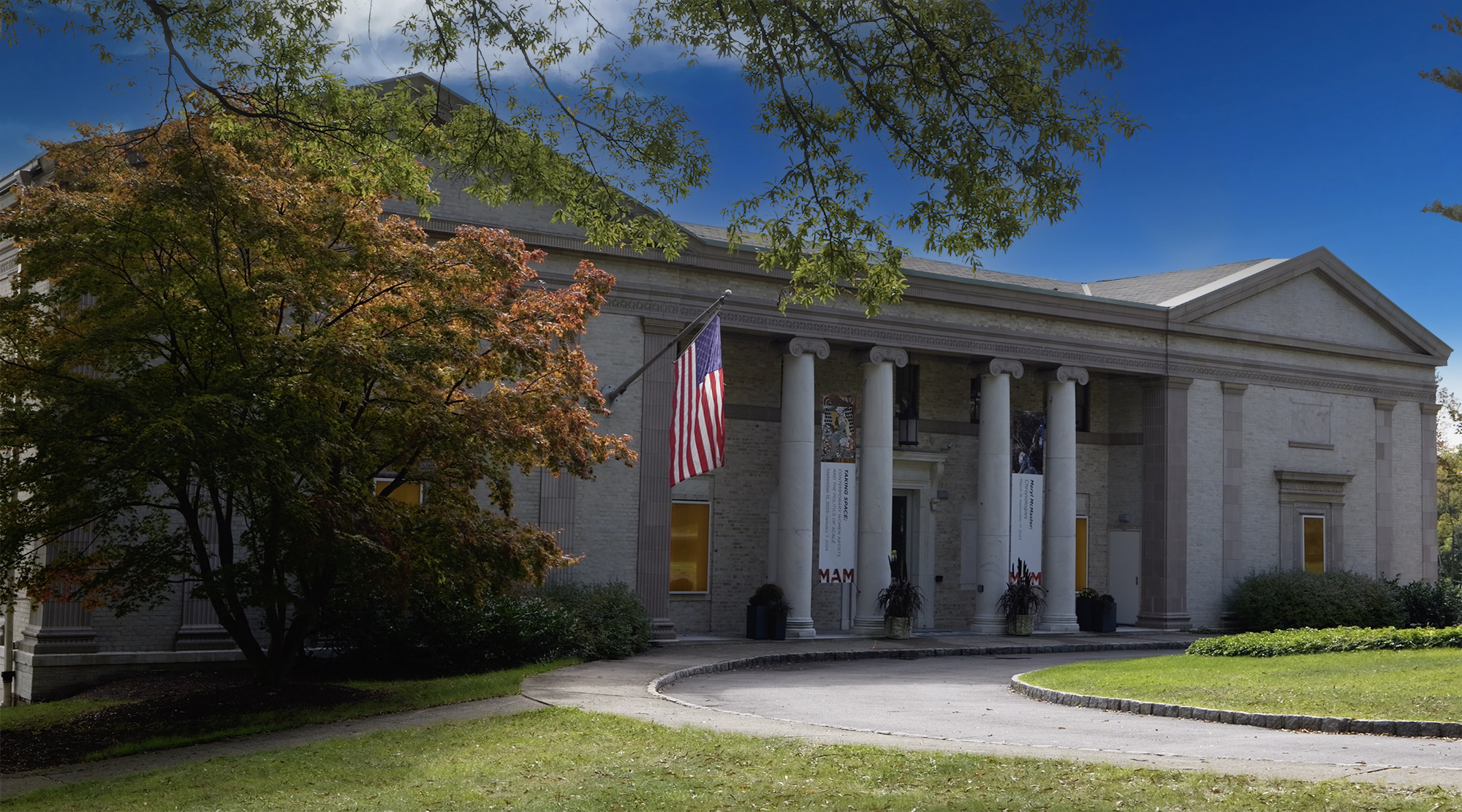
The museum's 1914 Beaux-Arts building pairs with a 2009 addition, creating dialogue between classical and contemporary architecture. The original structure features limestone facades and grand interior spaces.
What makes it special:The expansion seamlessly integrates modern design with historical architecture. Floor-to-ceiling windows in the new wing contrast with the intimate galleries of the original building, showing how architecture serves different display needs.
How to visit:The museum is open Thursday through Sunday. Free admission on the first Thursday of each month. The café offers views of the sculpture garden, another architectural space worth exploring.
14. Red Mill Museum Village – Clinton
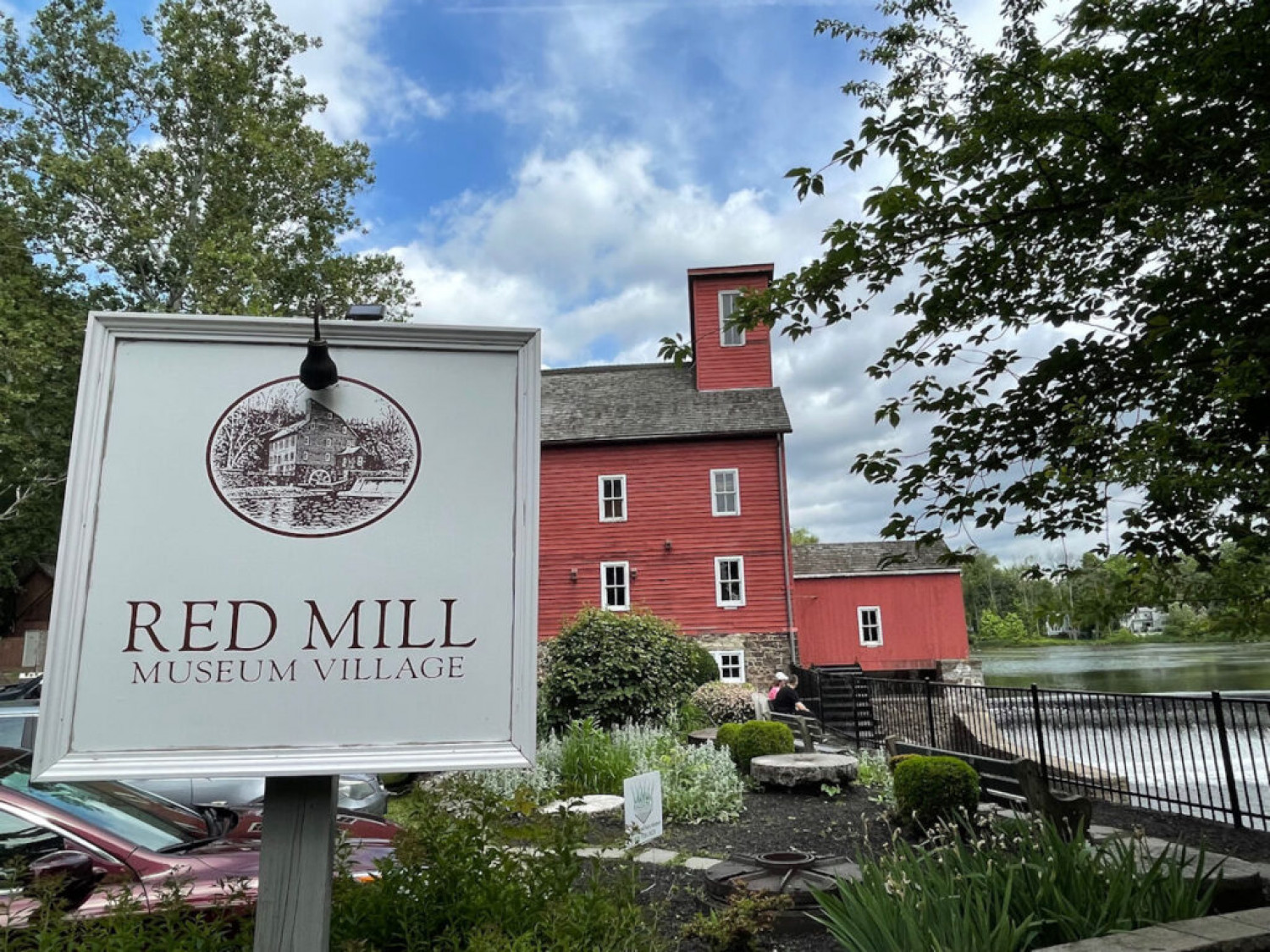
The 1810 gristmill represents vernacular industrial architecture adapted to waterpower. The red wooden structure sits alongside the South Branch of the Raritan River, its position determined by water flow rather than aesthetic concerns.
What makes it special:The building demonstrates how practical needs shaped design in early industrial America. The exposed wooden framework, multiple levels, and relationship to the millrace show engineering principles clearly.
How to visit:The museum complex includes multiple historic buildings beyond the mill. Self-guided tours allow you to explore at your own pace. The riverside setting provides excellent photo opportunities, especially during fall foliage.
15. Newark Museum Of Art – Newark
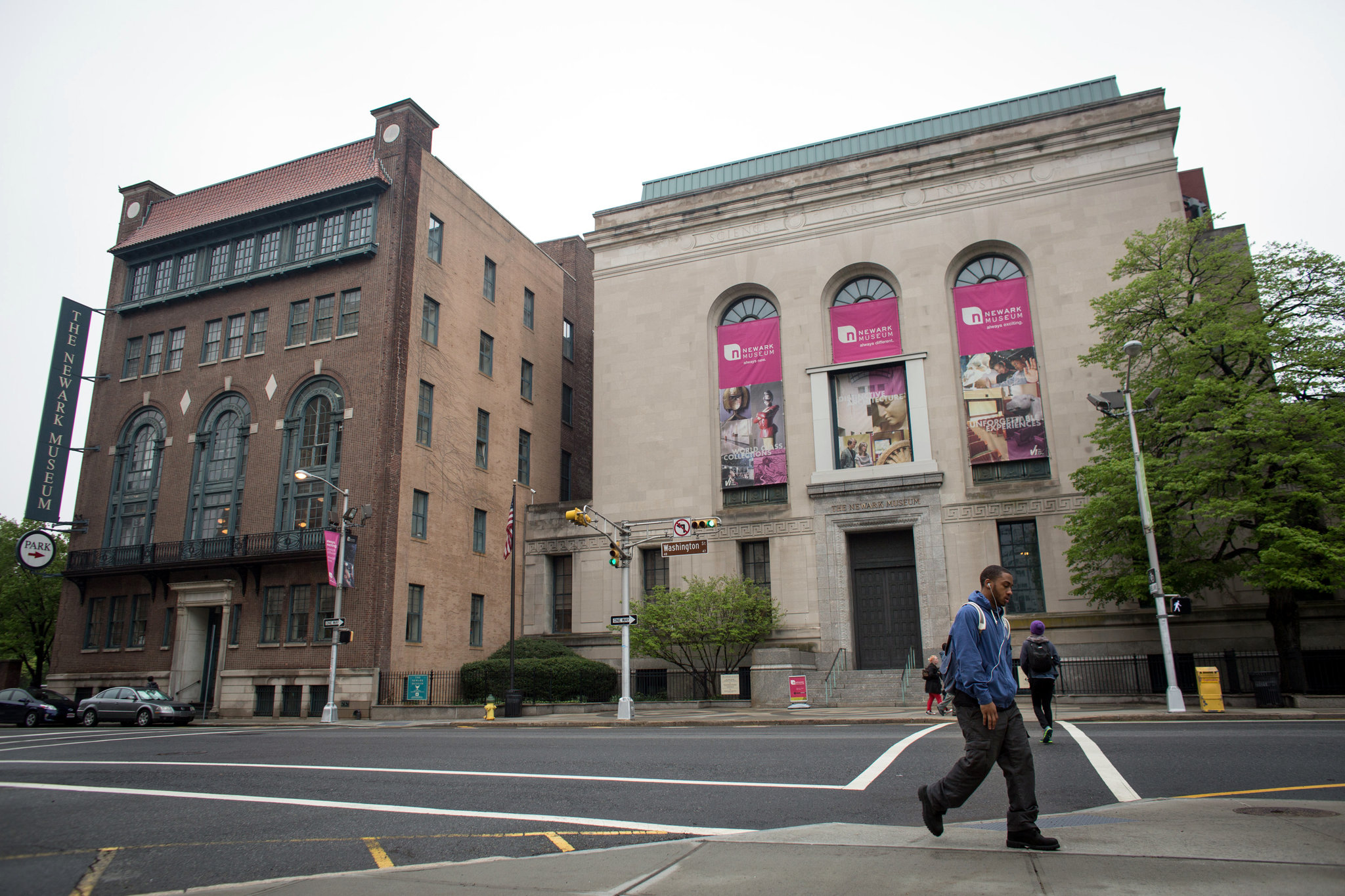
The 1926 main building represents Renaissance Revival architecture, while a 1989 addition by Michael Graves introduced postmodern elements. Together they create an architectural dialogue spanning six decades.
What makes it special:The original building's courtyard garden brings outdoor space into the museum experience. Graves' addition uses color, pattern, and historical references in ways that contrast sharply with the restrained original structure.
How to visit:Free admission makes this accessible to everyone. The museum occupies an entire city block, with multiple entrances. Start with the planetarium, then work through the galleries to appreciate changing architectural styles.
16. Lambert Castle – Paterson
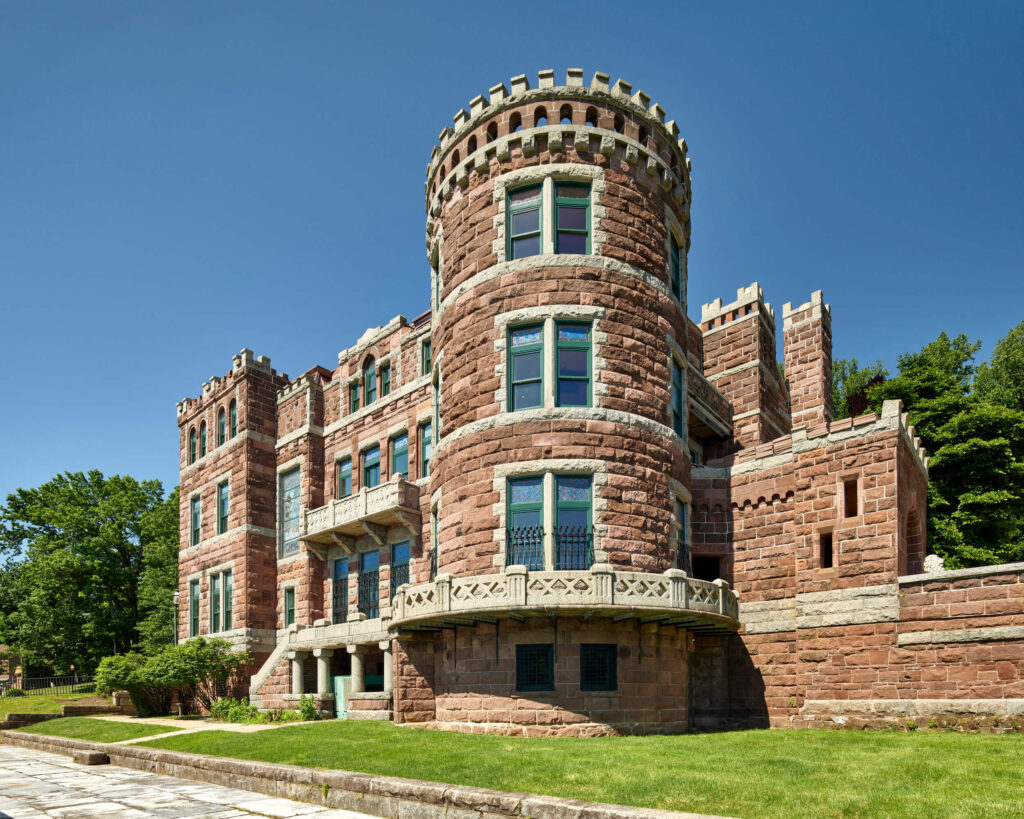
This 1892 mansion exemplifies Gilded Age eclecticism, combining elements of medieval castles with Victorian domestic architecture. Built for silk manufacturer Catholina Lambert, the castle commands spectacular views from its hilltop location.
What makes it special:The building's stone construction and tower create a romantic silhouette against the sky. Interior spaces include a great hall with musicians' gallery and rooms showcasing various historical styles.
How to visit:The castle now houses the Passaic County Historical Society Museum. Tours interpret both the architecture and Paterson's silk industry history. The grounds offer walking trails through the surrounding county park.
17. Batsto Village – Washington Township

This restored 19th-century ironmaking community includes over 30 historic structures, with the 1766 ironmaster's mansion as the centerpiece. The village demonstrates how industrial architecture created self-contained communities.
What makes it special:The collection of workers' houses, the general store, and industrial buildings show the relationship between different building types in a company town. The mansion evolved from Georgian simplicity to Italianate grandeur as the business prospered.
How to visit:The village sits within Wharton State Forest, accessible via a scenic drive through the Pinelands. Mansion tours run weekends in season. The village remains open for self-guided exploration daily.
18. The Hermitage – Ho-Ho-Kus
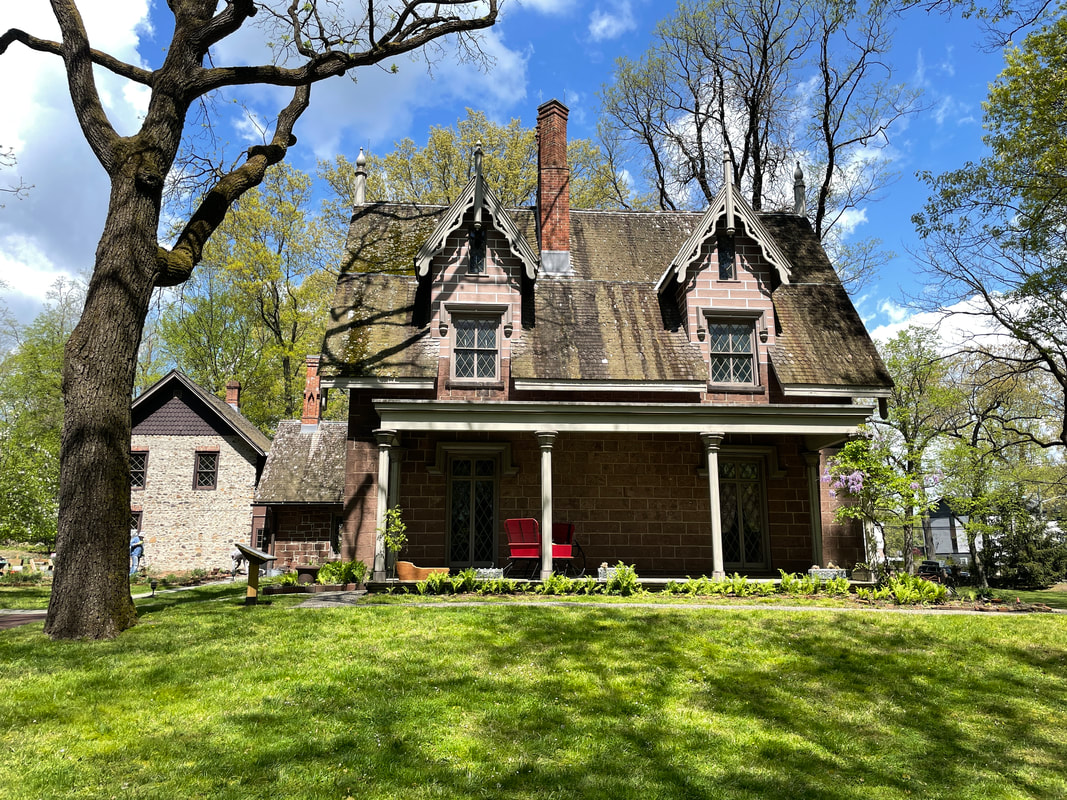
Built in 1847-48 and designed by William H. Ranlett, this fourteen-room Gothic Revival house museum showcases the architectural style's characteristic features. The yellow sandstone exterior and pointed arch windows create a distinctive appearance.
What makes it special:The building demonstrates Gothic Revival's romantic ideals, with decorative vergeboard trim and asymmetrical massing. The interior retains original decorative painting and period furnishings.
How to visit:Guided tours are offered Wednesday and Sunday afternoons. The house hosts special events throughout the year, including Victorian teas and garden parties. Reservations are recommended.
19. Drumthwacket – Princeton
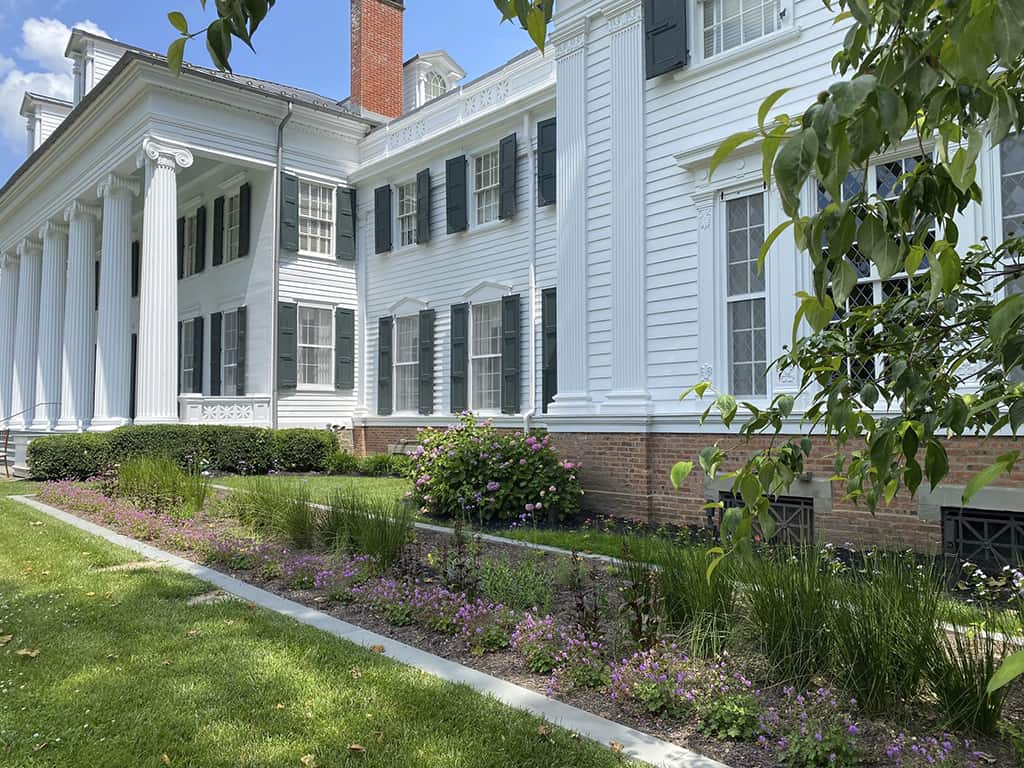
New Jersey's official governor's residence, completed in 1835, represents Greek Revival architecture adapted for American tastes. The imposing columned portico announces the building's importance while white-painted brick creates classical elegance.
What makes it special:The interior spaces balance public grandeur with private comfort. The formal rooms showcase Greek Revival details like crown moldings and marble mantels, while service areas reveal how large households functioned.
How to visit:Public tours are offered on Wednesdays by reservation only. The grounds remain closed to casual visitors due to security requirements. Tour spaces include the main public rooms and portions of the grounds.
20. Thomas Edison Memorial Tower And Museum – Edison
This 131-foot Art Deco tower, completed in 1938, commemorates Edison's Menlo Park laboratory. The tower's streamlined form and decorative elements exemplify 1930s modernist design.
What makes it special:The tower rises from the actual site of Edison's laboratory, connecting past and present. The base contains a small museum with artifacts from Edison's work at Menlo Park. The tower's light bulb top illuminates at night.
How to visit:The museum opens weekend afternoons. The tower and grounds remain visible from the street at all times. Parking is available in the adjacent lot. The site pairs well with a visit to Edison's West Orange laboratory complex.
21. Paterson Great Falls National Historical Park – Paterson
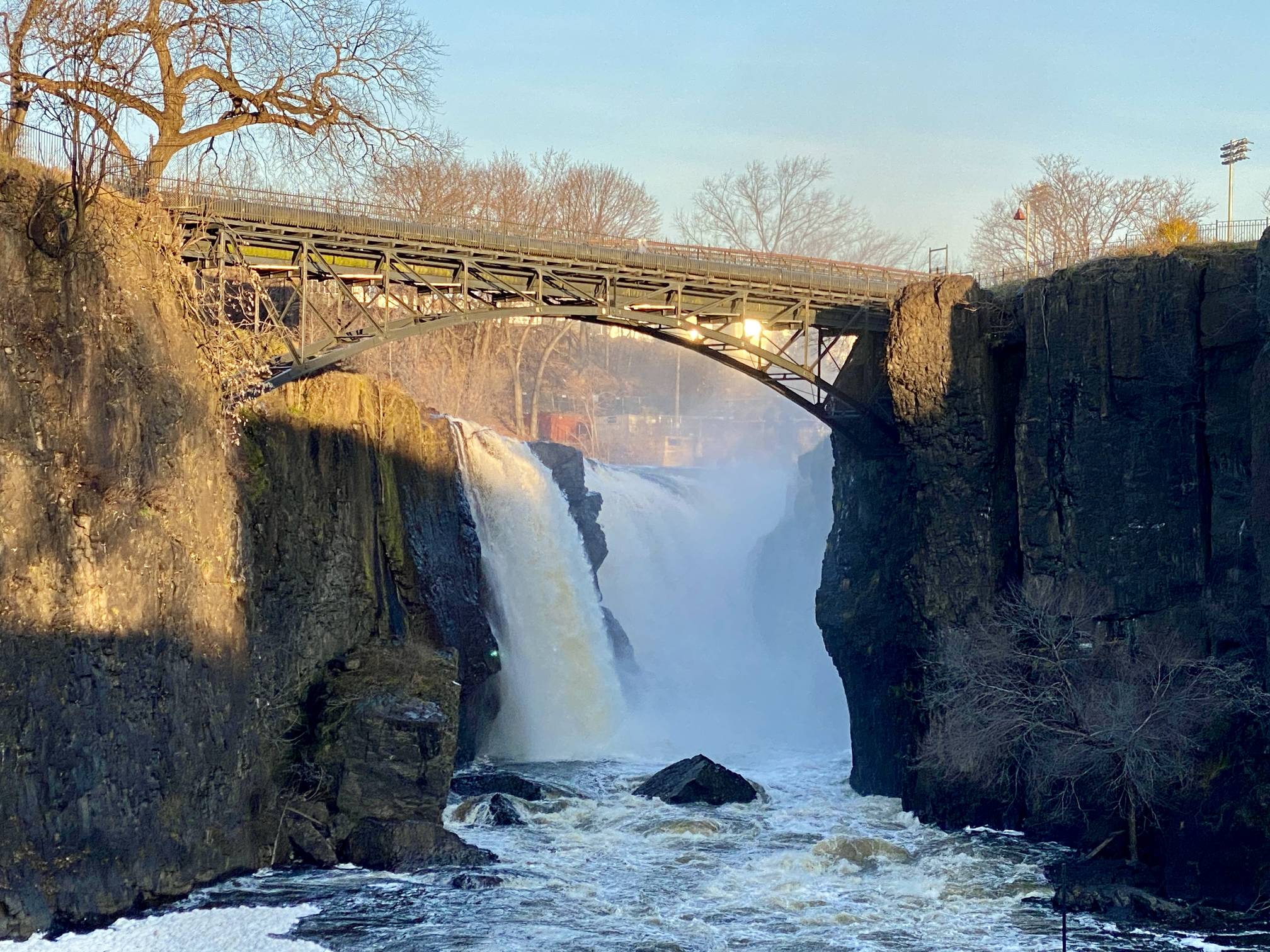
The historic district surrounding the Great Falls includes early industrial buildings that pioneered American manufacturing. Stone mill buildings and the 1838 raceway system demonstrate how architecture harnessed natural power.
What makes it special:The layered industrial archaeology shows evolving techniques from the late 18th through early 20th centuries. Different building materials and construction methods reflect changing industrial needs and available technologies.
How to visit:The visitor center provides context before you explore the mill buildings. Overlook platforms offer views of the 77-foot falls. Some mill buildings now house businesses while maintaining their historic character.
22. Emlen Physick Estate – Cape May

This 1879 mansion exemplifies Stick Style Victorian architecture, a distinctive American variation on Victorian design. Architect Frank Furness created an asymmetrical composition with projecting gables, decorative trusses, and varied surface textures.
What makes it special:The building shows how Victorian architects used structural elements decoratively. The exposed framing, diagonal bracing, and stick-like trim patterns give the style its name. Interior spaces feature original gas fixtures and ornamental plasterwork.
How to visit:Guided tours run daily in summer, weekends in shoulder seasons. Combination tickets include admission to the Cape May Lighthouse. The estate hosts special events including Victorian dinners and holiday tours.
23. Princeton Battlefield State Park Clarke House – Princeton
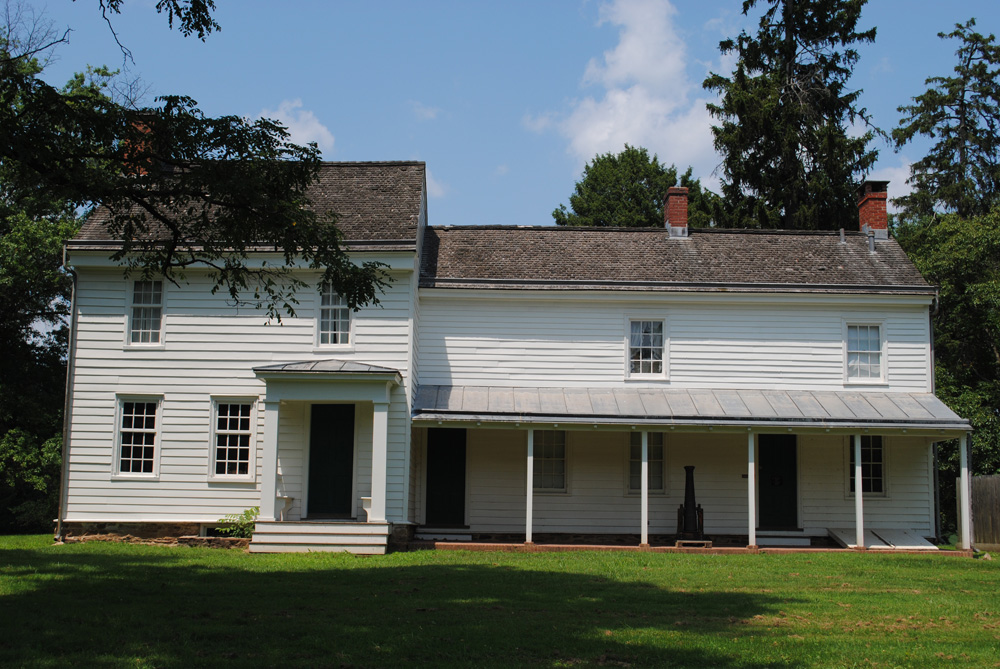
The 1772 Quaker farmhouse witnessed the Battle of Princeton during the Revolutionary War. The simple Georgian Colonial structure demonstrates Quaker architectural values of plainness and functionality.
What makes it special:The unadorned stone walls and simple windows reflect Quaker beliefs about avoiding ostentation. The building's survival through the battle and subsequent centuries demonstrates solid construction techniques.
How to visit:The house museum opens for tours on weekends. The surrounding battlefield includes interpretive trails and monuments. The site hosts annual battle anniversary commemorations each January.
24. Steuben House – River Edge
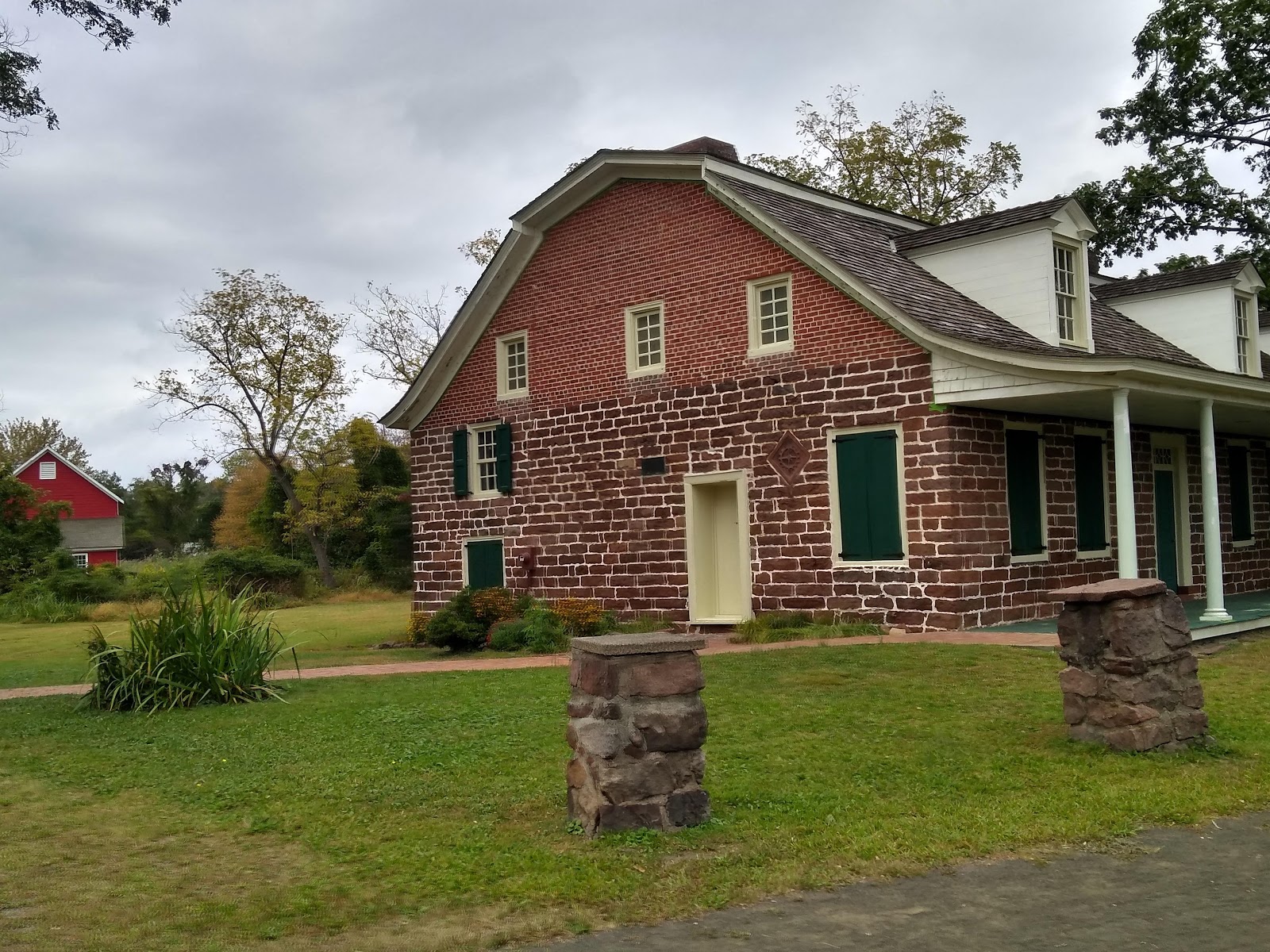
Built in 1752, the Steuben House is a quintessential example of Dutch Colonial architecture in New Jersey, featuring the characteristic gambrel roof. The house was awarded to Baron von Steuben for his Revolutionary War contributions.
What makes it special:The stone construction and distinctive roof profile demonstrate Dutch building traditions adapted to New Jersey conditions. The building served various purposes over centuries, with each era leaving architectural traces.
How to visit:Tours are available by appointment through the Bergen County Historical Society. The house sits in a small park with picnic facilities. Nearby Historic New Bridge Landing includes additional Dutch Colonial structures.
25. Allaire Village – Farmingdale
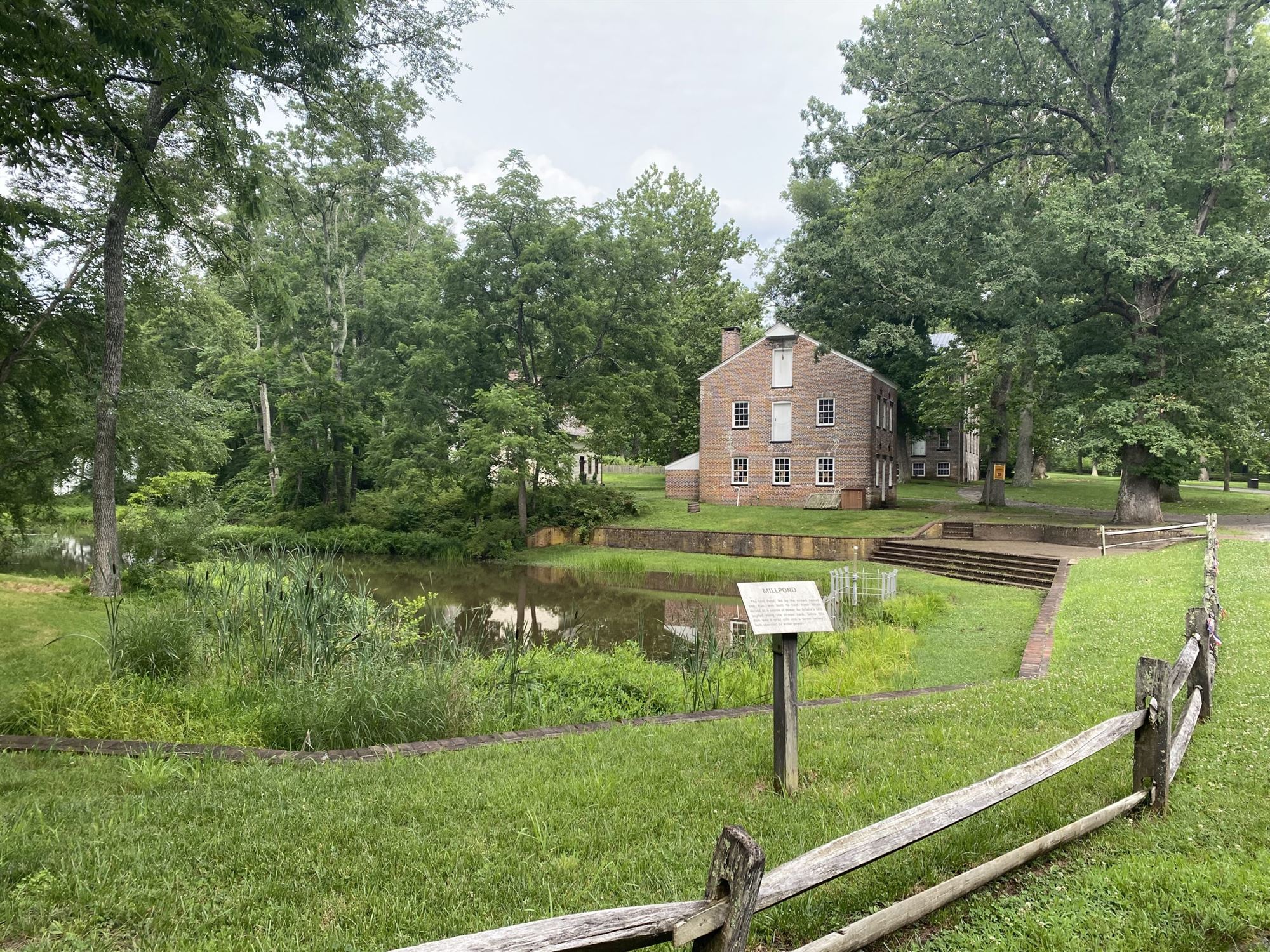
This living history museum preserves buildings from the historic Allaire Iron Works, one of New Jersey's most important 19th-century iron manufacturing sites. The village includes workers' housing, a general store, and industrial structures.
What makes it special:The complete industrial community shows the relationship between different building types. The furnace complex, manager's house, and chapel demonstrate social hierarchy through architecture.
How to visit:The village operates within Allaire State Park. Living history demonstrations run weekends during warm months. The narrow-gauge railroad offers rides through the park. Camping and hiking are available in the larger park.
26. Smithville Mansion – Mount Holly
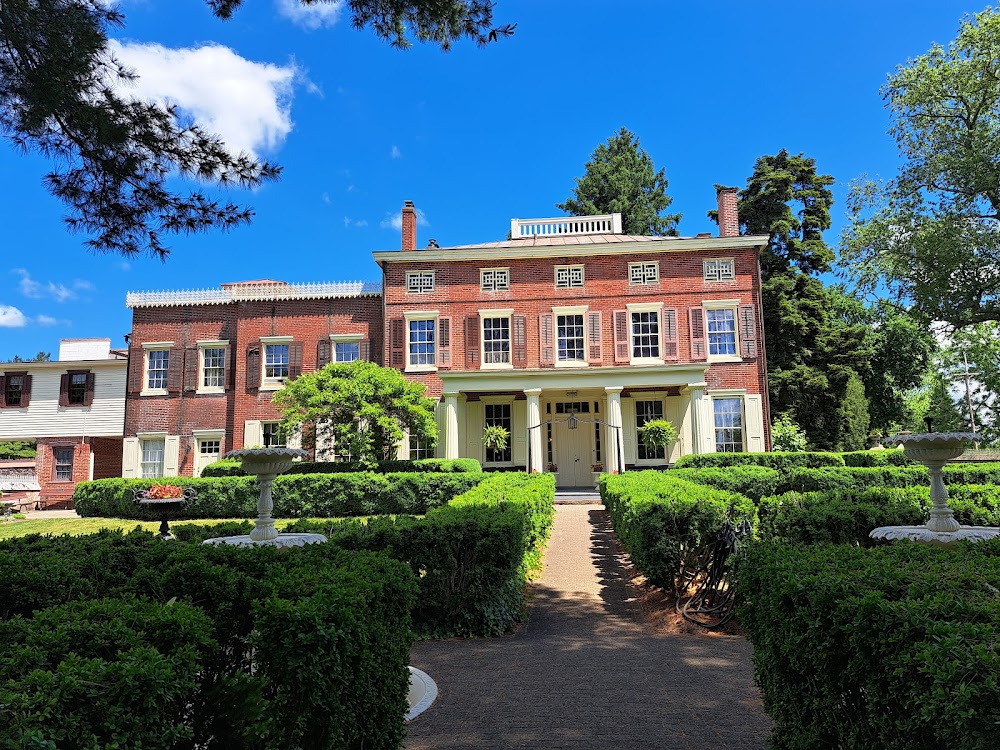
This 1840s Italianate mansion showcases the style's characteristic features including low-pitched roofs, rounded arch windows, and decorative brackets under wide eaves. Built for a textile mill owner, the house overlooks Rancocas Creek.
What makes it special:The interior retains original decorative painting and woodwork. The building's relationship to the creek and mill sites shows how industrial wealth translated into domestic architecture.
How to visit:Tours operate Tuesday through Sunday. The surrounding park includes walking trails and preserved workers' housing. The village hosts seasonal events including an old-fashioned Fourth of July celebration.
27. Proprietary House – Perth Amboy
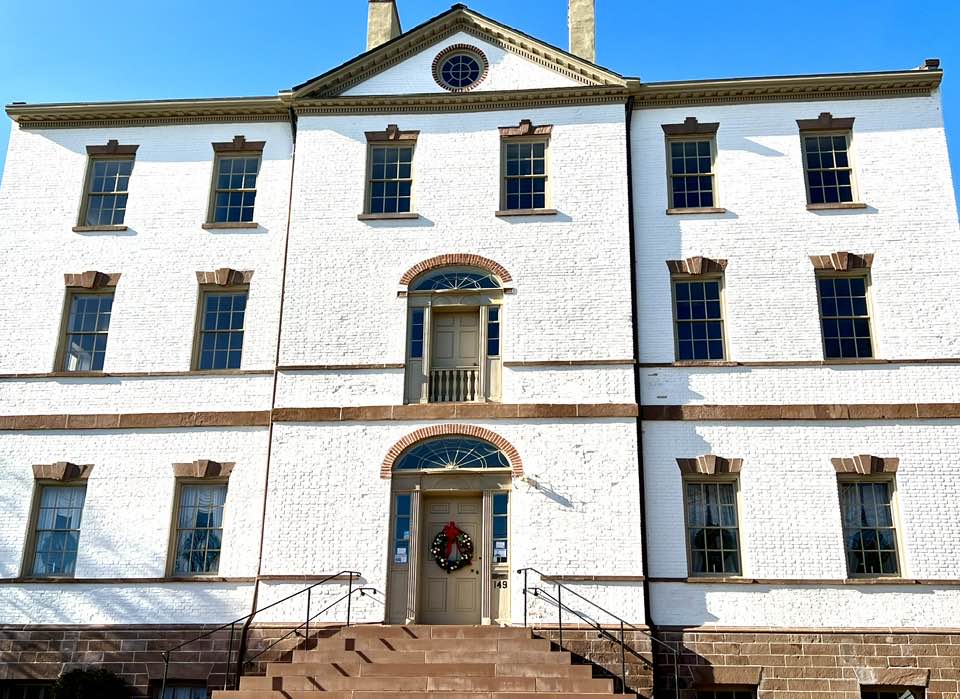
Built in 1762 as the royal governor's residence, this Georgian mansion represents British colonial power in architectural form. The imposing brick structure uses symmetry and classical proportions to convey authority.
What makes it special:As the last remaining royal governor's mansion from the 13 original colonies, the building holds unique historical significance. Ongoing restoration reveals original architectural details and construction techniques.
How to visit:Tours run Wednesdays and Sundays. The house is actively being restored, giving visitors insight into historic preservation processes. Some rooms remain unrestored, showing the building's evolution over time.
28. Bell Works – Holmdel
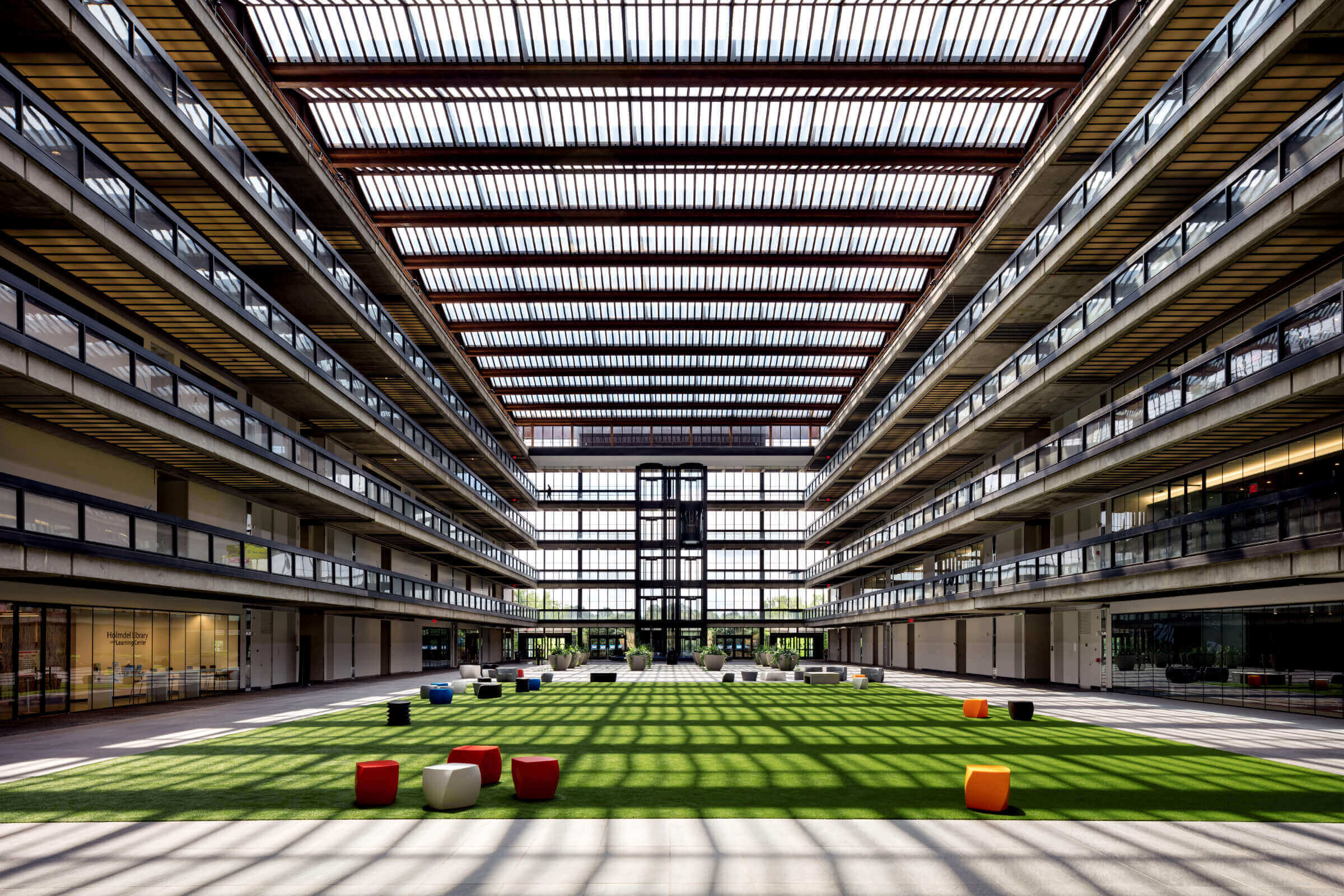
This reimagined former Bell Labs building represents mid-century modern architecture now repurposed as a one-of-a-kind destination for business and culture. The massive structure, designed by Eero Saarinen and completed in 1962, spans 2 million square feet.
What makes it special:The building's mirror-glass facades and horizontal emphasis exemplify 1960s corporate modernism. The recent adaptive reuse maintains the architectural character while creating new public spaces inside.
How to visit:The complex is open to the public, with retail shops, restaurants, and event spaces. The central atrium, nicknamed "The Biggest Room in New Jersey," measures 250 feet long. Guided architecture tours are sometimes available.
29. Ocean Grove Great Auditorium – Ocean Grove
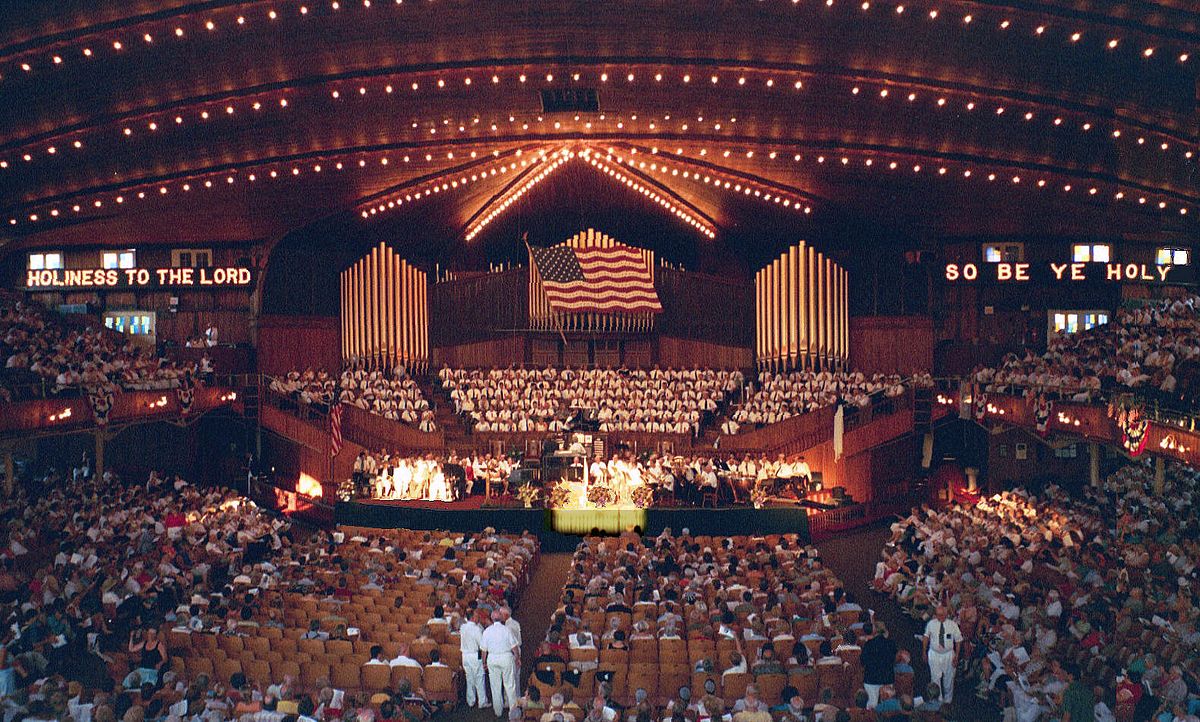
This 1894 wooden auditorium seats 6,500 people under a curved roof supported by massive timber trusses. The building serves the Victorian-era religious community of Ocean Grove, founded as a Methodist camp meeting site.
What makes it special:The enormous wood-frame structure demonstrates 19th-century engineering capabilities. The interior feels simultaneously intimate and vast, with excellent acoustics for concerts and religious services.
How to visit:The auditorium hosts concerts throughout summer. Self-guided walking tours of the Ocean Grove Historic District include the auditorium exterior. The surrounding tent community and Victorian cottages provide architectural context.
30. Cumberland County Courthouse – Bridgeton
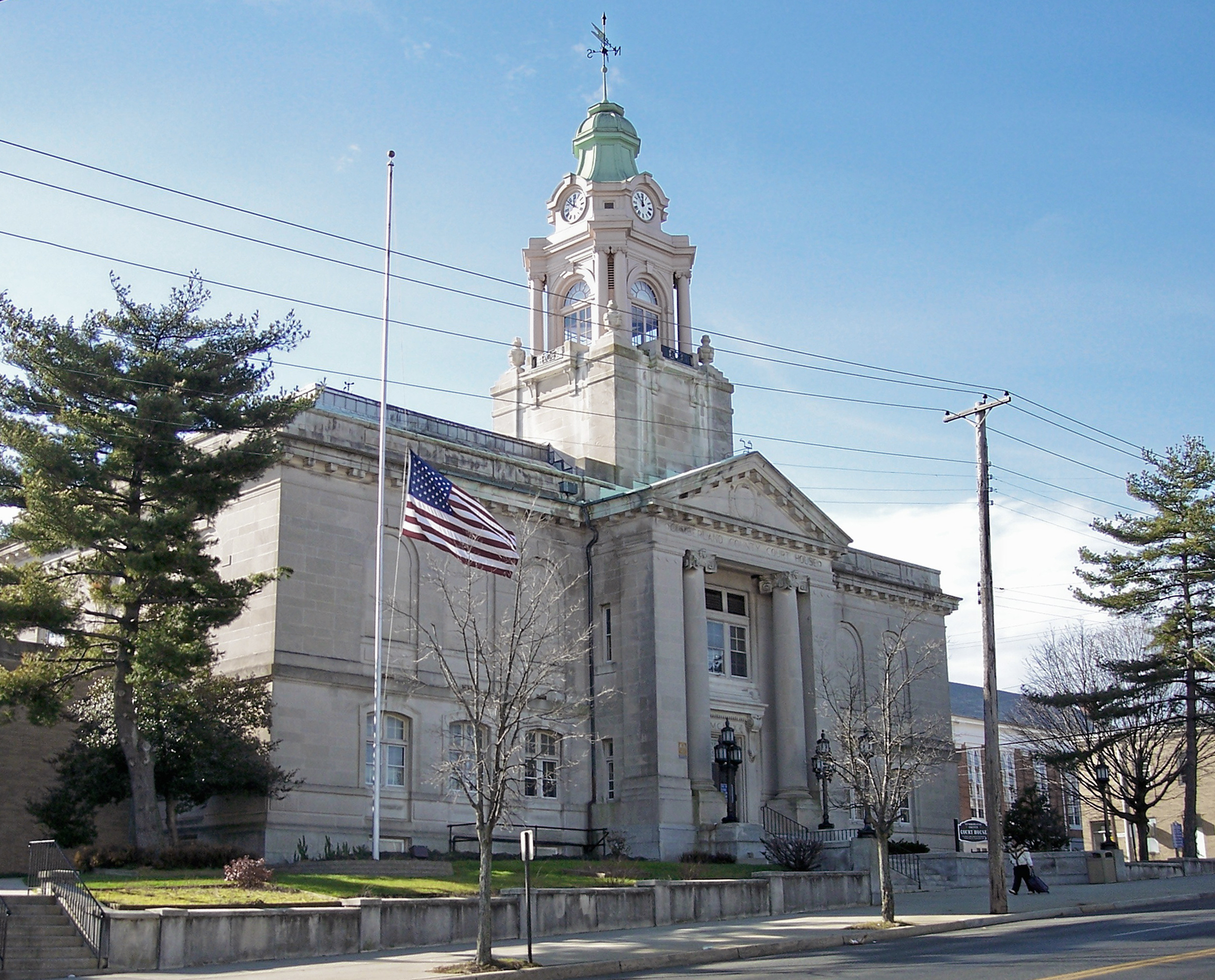
Designed by Philadelphia firm Watson & Huckel and completed in 1909, this neoclassical courthouse ranks among the area's most prominent buildings. The limestone exterior and columned entrance convey governmental authority through classical architectural language.
What makes it special:The interior features marble stairs, decorative plasterwork, and historical displays. The building's continued use as a working courthouse maintains its original purpose while serving as a community landmark.
How to visit:The courthouse is open to the public during business hours. Visitors must pass through security screening. The building sits in Bridgeton's historic district, which includes New Jersey's largest collection of 18th and 19th-century houses. Its preserved neoclassical grandeur makes it not only a civic landmark but also one of the best places to visit in New Jerseyfor architecture enthusiasts exploring historic districts.
Planning Your New Jersey Architecture Tour
Best Times to Visit
Spring and fall offer ideal weather for exploring outdoor sites and historic districts. Summer brings crowds to coastal locations like Cape May but provides the most tour options at historic houses. Winter visits suit indoor attractions and urban buildings while offering a quieter experience.
Regional Groupings
Organize your visits geographically to maximize efficiency. Northern New Jersey concentrates historic houses and industrial sites around Morristown, Paterson, and Bergen County. Central Jersey features Princeton's academic architecture and numerous Revolutionary War sites. The southern regions excel in coastal Victorian architecture and Pinelands industrial villages.
Photography Tips
Morning light enhances stone buildings and creates long shadows that emphasize architectural details. Overcast days work well for interiors and buildings with intricate exterior ornamentation. Bring wide-angle lenses for interiors and architectural details. Always ask permission before photographing inside historic houses.
Accessibility Considerations
Many historic buildings predate accessibility requirements and feature steep stairs or uneven floors. Call ahead to discuss specific mobility needs. Several sites offer virtual tours or ground-floor access to select spaces. Modern museums and repurposed buildings generally provide full accessibility.
FAQs About Visiting New Jersey's Architectural Buildings
Which Buildings Offer The Best Experience For Architecture Students?
Princeton University Chapel and Bell Works provide contrasting lessons in Gothic Revival and mid-century modernism respectively. The adaptive reuse at Bell Works particularly demonstrates contemporary preservation approaches.
Are Photography Restrictions Common At These Buildings?
Interior photography policies vary by site. Most historic houses prohibit flash photography to protect period furnishings and artwork.
How Do I Find Architectural Tours Of These Buildings?
Many sites offer regularly scheduled guided tours included with admission. Princeton University provides free campus tours highlighting architectural features. Organizations like the American Institute of Architects New Jersey chapter occasionally organize specialized architecture tours.
Which Sites Are Suitable For Young Children?
Lucy the Elephant captivates children with its unusual form and playful history. The Battleship New Jersey offers hands-on exploration that engages young visitors. Allaire Village and Batsto Village provide outdoor space alongside historic buildings, preventing museum fatigue.
What Admission Costs Should I Expect?
Admission varies widely from free sites like the Princeton University campus to modest fees around $10-15 for most historic houses. Larger attractions like the Battleship New Jersey charge $25-30 for adult admission. Many sites offer discounts for seniors, students, and children.
Are Winter Visits Worthwhile?
Many outdoor architectural sites remain visually impressive in winter, offering excellent photography opportunities without summer crowds. Indoor attractions like museums and grand buildings provide comfortable winter destinations. Some historic houses reduce hours or close entirely January through March for maintenance.
How Can I Learn More About Specific Architectural Styles?
The New Jersey Historic Trust and state preservation office maintain extensive online resources about architectural styles. University libraries, particularly at Princeton and Rutgers, hold architectural archives accessible to researchers. Local historical societies offer style guides specific to their regions.
Conclusion
New Jersey's architectural legacy extends far beyond these 30 buildings, but these structures represent the diversity and quality you'll find across the Garden State. Each building carries stories about the people who designed, built, and inhabited them. They reveal changing tastes, advancing technologies, and evolving social values across four centuries.
The real magic happens when you begin seeing connections between buildings. You'll notice how Gothic Revival appears in both religious and domestic settings. You'll recognize Dutch Colonial rooflines throughout northern counties. You'll understand how industrial wealth funded domestic grandeur. These connections transform individual buildings into a comprehensive narrative about New Jersey's architectural evolution.
New Jersey holds a surprising secret that most people overlook. While many rush through the state on their way elsewhere, they miss some of the most remarkable architectural achievements on the East Coast. Spanning four centuries of design evolution, the Garden State showcases everything from 17th-century Dutch Colonial homes to soaring Gothic Revival chapels and modernist masterpieces.
Ready to experience these masterpieces for yourself? Let me walk you through 30 must-see buildings that showcase the full spectrum of architectural brilliance found throughout New Jersey.
1.Princeton University Chapel – Princeton
The Princeton University Chapel stands as one of the finest examples of Collegiate Gothic architecture in America. Completed in 1928 and designed by Ralph Adams Cram, the chapel features pointed arches, ribbed vaulting, and intricate stone tracery inspired by English Gothic architecture.
What makes it special:The chapel seats 1,900 people and serves as the ceremonial heart of Princeton's campus. Inside, you'll find stunning stained glass windows that fill the space with colored light throughout the day.
How to visit:The chapel is open to visitors daily for self-guided tours. Check the chapel's website for service times and special concerts. Public parking is available at nearby lots, though walking from downtown Princeton gives you the chance to admire other campus buildings along the way.
2. Lucy The Elephant – Margate City
Built in 1881, Lucy the Elephant is a six-story building shaped like an elephant, representing eccentric Victorian-era promotional architecture. This National Historic Landmark was originally constructed to attract real estate buyers to South Atlantic City.
What makes it special:Standing 65 feet tall, Lucy is the oldest surviving roadside attraction in America. The interior features Victorian-era furnishings and historical exhibits about the building's colorful past.
How to visit:Lucy offers guided tours from April through December. Tours last about 20 minutes and require climbing steep stairs. The gift shop offers unique elephant-themed souvenirs perfect for remembering your visit.
3. Grounds For Sculpture – Hamilton Township
This 42-acre sculpture park and museum combines contemporary art with landscape design, featuring buildings by renowned architect Michael Graves. The converted industrial site now showcases striking modern structures that complement outdoor sculptures, creating an experience of interactive architecturewhere visitors engage physically and visually with the art and buildings.
What makes it special:The architecture seamlessly blends indoor galleries with outdoor spaces, creating surprise vistas and intimate garden rooms. The grounds feature multiple buildings, each with distinct character and purpose.
How to visit:Purchase tickets online in advance, especially during peak seasons. Plan for at least three hours to fully appreciate both the architecture and sculptures. The on-site restaurant, Rats, occupies a stunning Monet-inspired building worth seeing even if you don't dine there.
4. Cape May Historic District – Cape May
Cape May contains over 600 preserved Victorian buildings, making it one of the largest collections of 19th-century architecture in America. The town is known for its beautifully preserved Victorian architecture, featuring elaborate gingerbread trim, wraparound porches, and pastel color schemes.
What makes it special:The entire town functions as a living museum where you can walk through streets lined with authentically restored buildings. Many structures now serve as bed-and-breakfasts, allowing you to experience Victorian architecture from the inside.
How to visit:Start at the Cape May Welcome Center for maps and trolley tour information. Spring and fall offer pleasant weather and fewer crowds. Many buildings offer interior tours during summer months.
5. Edison National Historic Site – West Orange
Thomas Edison's laboratory complex represents industrial architecture from the late 19th century. The site includes the main laboratory building where Edison and his team developed innovations including the motion picture camera and improved phonograph.
What makes it special:The buildings remain largely unchanged from Edison's time, offering an authentic glimpse into the inventor's working environment. The chemistry lab, machine shop, and library showcase the interconnected spaces that facilitated rapid innovation.
How to visit:The cathedral welcomes visitors daily, though calling ahead confirms availability during special services. Free parking is available in the adjacent lot. Consider attending a service to experience the building's exceptional acoustics.
6. Cathedral Basilica Of The Sacred Heart – Newark
This French Gothic cathedral, completed in 1954, ranks as the fifth-largest cathedral in North America. The building took 58 years to construct and features limestone exterior walls, flying buttresses, and towering spires.
What makes it special:The interior rises 100 feet and stretches 365 feet long, creating an awe-inspiring vertical space. The stained glass windows, imported from European craftsmen, depict religious scenes with remarkable detail and color.
How to visit:The cathedral welcomes visitors daily, though calling ahead confirms availability during special services. Free parking is available in the adjacent lot. Consider attending a service to experience the building's exceptional acoustics.
7. Battleship New Jersey – Camden
This Iowa-class battleship, now a floating museum, represents mid-20th century naval architecture and engineering. Commissioned in 1943, the ship served in World War II, Korea, Vietnam, and the Persian Gulf.
What makes it special:At 887 feet long, the battleship allows you to explore nine decks, from the officers' quarters to the massive gun turrets. The ship's superstructure demonstrates how naval architects created a floating city capable of sustained combat operations.
How to visit:Book tours online, ranging from basic tours to overnight encampments. Wear comfortable shoes as tours involve climbing steep ladders. The ship is moored year-round, though winter visits can be cold on the open decks.
8. Morven Museum & Garden – Princeton
This Georgian Colonial mansion, built around 1758, served as home to a signer of the Declaration of Independence and later as New Jersey's official governor's residence. The building exemplifies 18th-century elite residential architecture.
What makes it special:The mansion features carefully restored period rooms showing evolving interior design trends across two centuries. The formal gardens complement the architecture, demonstrating how landscape design enhanced Georgian homes.
How to visit:Guided tours run Wednesday through Sunday. The museum hosts special exhibitions in addition to permanent collections. The gardens remain accessible during museum hours for self-guided walks.
9. Sterling Hill Mining Museum – Ogdensburg
The original mine buildings and tunnels showcase industrial architecture adapted to mining operations. The complex includes above-ground processing buildings and the famous Rainbow Tunnel, lit to display fluorescent minerals.
What makes it special:The industrial structures demonstrate how form follows function in mining architecture. The buildings evolved organically over decades as mining techniques changed, creating a visual history of industrial engineering.
How to visit:Underground mine tours require advance reservations. Dress warmly as the mine maintains a constant 56-degree temperature. The surface museum displays mining equipment and regional history.
10. Ringwood Manor – Ringwood
This 51-room mansion represents Victorian Gothic Revival architecture at its most romantic. Built in stages from the 1760s through the 1930s, the manor house incorporates multiple architectural styles around an original ironmaster's home.
What makes it special:The building materials tell a story of local industry, with iron fittings made on site and stone quarried from nearby hills. Each addition reflects changing architectural fashions while maintaining harmony with earlier sections.
How to visit:The manor operates as a house museum with guided tours. Surrounding Ringwood State Park offers hiking trails and picnic areas. Plan your visit for spring when the rhododendrons bloom around the mansion. The blooming rhododendron gardens and lake views make Ringwood Manor one of the state’s most romantic proposal spots, blending natural beauty with timeless architecture.
11. 11. Old Barracks Museum – Trenton
Built in 1758 to house British soldiers during the French and Indian War, this stone barracks represents military architecture of the colonial period. It's the only remaining colonial barracks in New Jersey.
What makes it special:The long, two-story stone building shows how military architects created efficient, defensible housing. The thick walls, small windows, and central location demonstrate strategic thinking in 18th-century military planning.
How to visit:Guided tours bring colonial history to life with costumed interpreters. The museum offers special programs throughout the year, including reenactments and hands-on activities. Street parking is available nearby.
12. Macculloch Hall Historical Museum – Morristown
This Federal-style mansion, completed in 1810, showcases early American residential architecture for wealthy families. The building features elegant proportions, decorative details, and period furnishings.
What makes it special:The mansion demonstrates how Federal architecture refined Georgian colonial styles with more delicate ornamentation. The interior woodwork, fireplaces, and plasterwork show exceptional craftsmanship.
How to visit:Tours run on select days, focusing on both architecture and the decorative arts collection. The garden, designed by landscape architect W. Parsons Todd, complements the building's formal symmetry.
13. Montclair Art Museum – Montclair
The museum's 1914 Beaux-Arts building pairs with a 2009 addition, creating dialogue between classical and contemporary architecture. The original structure features limestone facades and grand interior spaces.
What makes it special:The expansion seamlessly integrates modern design with historical architecture. Floor-to-ceiling windows in the new wing contrast with the intimate galleries of the original building, showing how architecture serves different display needs.
How to visit:The museum is open Thursday through Sunday. Free admission on the first Thursday of each month. The café offers views of the sculpture garden, another architectural space worth exploring.
14. Red Mill Museum Village – Clinton
The 1810 gristmill represents vernacular industrial architecture adapted to waterpower. The red wooden structure sits alongside the South Branch of the Raritan River, its position determined by water flow rather than aesthetic concerns.
What makes it special:The building demonstrates how practical needs shaped design in early industrial America. The exposed wooden framework, multiple levels, and relationship to the millrace show engineering principles clearly.
How to visit:The museum complex includes multiple historic buildings beyond the mill. Self-guided tours allow you to explore at your own pace. The riverside setting provides excellent photo opportunities, especially during fall foliage.
15. Newark Museum Of Art – Newark
The 1926 main building represents Renaissance Revival architecture, while a 1989 addition by Michael Graves introduced postmodern elements. Together they create an architectural dialogue spanning six decades.
What makes it special:The original building's courtyard garden brings outdoor space into the museum experience. Graves' addition uses color, pattern, and historical references in ways that contrast sharply with the restrained original structure.
How to visit:Free admission makes this accessible to everyone. The museum occupies an entire city block, with multiple entrances. Start with the planetarium, then work through the galleries to appreciate changing architectural styles.
16. Lambert Castle – Paterson
This 1892 mansion exemplifies Gilded Age eclecticism, combining elements of medieval castles with Victorian domestic architecture. Built for silk manufacturer Catholina Lambert, the castle commands spectacular views from its hilltop location.
What makes it special:The building's stone construction and tower create a romantic silhouette against the sky. Interior spaces include a great hall with musicians' gallery and rooms showcasing various historical styles.
How to visit:The castle now houses the Passaic County Historical Society Museum. Tours interpret both the architecture and Paterson's silk industry history. The grounds offer walking trails through the surrounding county park.
17. Batsto Village – Washington Township
This restored 19th-century ironmaking community includes over 30 historic structures, with the 1766 ironmaster's mansion as the centerpiece. The village demonstrates how industrial architecture created self-contained communities.
What makes it special:The collection of workers' houses, the general store, and industrial buildings show the relationship between different building types in a company town. The mansion evolved from Georgian simplicity to Italianate grandeur as the business prospered.
How to visit:The village sits within Wharton State Forest, accessible via a scenic drive through the Pinelands. Mansion tours run weekends in season. The village remains open for self-guided exploration daily.
18. The Hermitage – Ho-Ho-Kus
Built in 1847-48 and designed by William H. Ranlett, this fourteen-room Gothic Revival house museum showcases the architectural style's characteristic features. The yellow sandstone exterior and pointed arch windows create a distinctive appearance.
What makes it special:The building demonstrates Gothic Revival's romantic ideals, with decorative vergeboard trim and asymmetrical massing. The interior retains original decorative painting and period furnishings.
How to visit:Guided tours are offered Wednesday and Sunday afternoons. The house hosts special events throughout the year, including Victorian teas and garden parties. Reservations are recommended.
19. Drumthwacket – Princeton
New Jersey's official governor's residence, completed in 1835, represents Greek Revival architecture adapted for American tastes. The imposing columned portico announces the building's importance while white-painted brick creates classical elegance.
What makes it special:The interior spaces balance public grandeur with private comfort. The formal rooms showcase Greek Revival details like crown moldings and marble mantels, while service areas reveal how large households functioned.
How to visit:Public tours are offered on Wednesdays by reservation only. The grounds remain closed to casual visitors due to security requirements. Tour spaces include the main public rooms and portions of the grounds.
20. Thomas Edison Memorial Tower And Museum – Edison
This 131-foot Art Deco tower, completed in 1938, commemorates Edison's Menlo Park laboratory. The tower's streamlined form and decorative elements exemplify 1930s modernist design.
What makes it special:The tower rises from the actual site of Edison's laboratory, connecting past and present. The base contains a small museum with artifacts from Edison's work at Menlo Park. The tower's light bulb top illuminates at night.
How to visit:The museum opens weekend afternoons. The tower and grounds remain visible from the street at all times. Parking is available in the adjacent lot. The site pairs well with a visit to Edison's West Orange laboratory complex.
21. Paterson Great Falls National Historical Park – Paterson
The historic district surrounding the Great Falls includes early industrial buildings that pioneered American manufacturing. Stone mill buildings and the 1838 raceway system demonstrate how architecture harnessed natural power.
What makes it special:The layered industrial archaeology shows evolving techniques from the late 18th through early 20th centuries. Different building materials and construction methods reflect changing industrial needs and available technologies.
How to visit:The visitor center provides context before you explore the mill buildings. Overlook platforms offer views of the 77-foot falls. Some mill buildings now house businesses while maintaining their historic character.
22. Emlen Physick Estate – Cape May
This 1879 mansion exemplifies Stick Style Victorian architecture, a distinctive American variation on Victorian design. Architect Frank Furness created an asymmetrical composition with projecting gables, decorative trusses, and varied surface textures.
What makes it special:The building shows how Victorian architects used structural elements decoratively. The exposed framing, diagonal bracing, and stick-like trim patterns give the style its name. Interior spaces feature original gas fixtures and ornamental plasterwork.
How to visit:Guided tours run daily in summer, weekends in shoulder seasons. Combination tickets include admission to the Cape May Lighthouse. The estate hosts special events including Victorian dinners and holiday tours.
23. Princeton Battlefield State Park Clarke House – Princeton
The 1772 Quaker farmhouse witnessed the Battle of Princeton during the Revolutionary War. The simple Georgian Colonial structure demonstrates Quaker architectural values of plainness and functionality.
What makes it special:The unadorned stone walls and simple windows reflect Quaker beliefs about avoiding ostentation. The building's survival through the battle and subsequent centuries demonstrates solid construction techniques.
How to visit:The house museum opens for tours on weekends. The surrounding battlefield includes interpretive trails and monuments. The site hosts annual battle anniversary commemorations each January.
24. Steuben House – River Edge
Built in 1752, the Steuben House is a quintessential example of Dutch Colonial architecture in New Jersey, featuring the characteristic gambrel roof. The house was awarded to Baron von Steuben for his Revolutionary War contributions.
What makes it special:The stone construction and distinctive roof profile demonstrate Dutch building traditions adapted to New Jersey conditions. The building served various purposes over centuries, with each era leaving architectural traces.
How to visit:Tours are available by appointment through the Bergen County Historical Society. The house sits in a small park with picnic facilities. Nearby Historic New Bridge Landing includes additional Dutch Colonial structures.
25. Allaire Village – Farmingdale
This living history museum preserves buildings from the historic Allaire Iron Works, one of New Jersey's most important 19th-century iron manufacturing sites. The village includes workers' housing, a general store, and industrial structures.
What makes it special:The complete industrial community shows the relationship between different building types. The furnace complex, manager's house, and chapel demonstrate social hierarchy through architecture.
How to visit:The village operates within Allaire State Park. Living history demonstrations run weekends during warm months. The narrow-gauge railroad offers rides through the park. Camping and hiking are available in the larger park.
26. Smithville Mansion – Mount Holly
This 1840s Italianate mansion showcases the style's characteristic features including low-pitched roofs, rounded arch windows, and decorative brackets under wide eaves. Built for a textile mill owner, the house overlooks Rancocas Creek.
What makes it special:The interior retains original decorative painting and woodwork. The building's relationship to the creek and mill sites shows how industrial wealth translated into domestic architecture.
How to visit:Tours operate Tuesday through Sunday. The surrounding park includes walking trails and preserved workers' housing. The village hosts seasonal events including an old-fashioned Fourth of July celebration.
27. Proprietary House – Perth Amboy
Built in 1762 as the royal governor's residence, this Georgian mansion represents British colonial power in architectural form. The imposing brick structure uses symmetry and classical proportions to convey authority.
What makes it special:As the last remaining royal governor's mansion from the 13 original colonies, the building holds unique historical significance. Ongoing restoration reveals original architectural details and construction techniques.
How to visit:Tours run Wednesdays and Sundays. The house is actively being restored, giving visitors insight into historic preservation processes. Some rooms remain unrestored, showing the building's evolution over time.
28. Bell Works – Holmdel
This reimagined former Bell Labs building represents mid-century modern architecture now repurposed as a one-of-a-kind destination for business and culture. The massive structure, designed by Eero Saarinen and completed in 1962, spans 2 million square feet.
What makes it special:The building's mirror-glass facades and horizontal emphasis exemplify 1960s corporate modernism. The recent adaptive reuse maintains the architectural character while creating new public spaces inside.
How to visit:The complex is open to the public, with retail shops, restaurants, and event spaces. The central atrium, nicknamed "The Biggest Room in New Jersey," measures 250 feet long. Guided architecture tours are sometimes available.
29. Ocean Grove Great Auditorium – Ocean Grove
This 1894 wooden auditorium seats 6,500 people under a curved roof supported by massive timber trusses. The building serves the Victorian-era religious community of Ocean Grove, founded as a Methodist camp meeting site.
What makes it special:The enormous wood-frame structure demonstrates 19th-century engineering capabilities. The interior feels simultaneously intimate and vast, with excellent acoustics for concerts and religious services.
How to visit:The auditorium hosts concerts throughout summer. Self-guided walking tours of the Ocean Grove Historic District include the auditorium exterior. The surrounding tent community and Victorian cottages provide architectural context.
30. Cumberland County Courthouse – Bridgeton
Designed by Philadelphia firm Watson & Huckel and completed in 1909, this neoclassical courthouse ranks among the area's most prominent buildings. The limestone exterior and columned entrance convey governmental authority through classical architectural language.
What makes it special:The interior features marble stairs, decorative plasterwork, and historical displays. The building's continued use as a working courthouse maintains its original purpose while serving as a community landmark.
How to visit:The courthouse is open to the public during business hours. Visitors must pass through security screening. The building sits in Bridgeton's historic district, which includes New Jersey's largest collection of 18th and 19th-century houses. Its preserved neoclassical grandeur makes it not only a civic landmark but also one of the best places to visit in New Jerseyfor architecture enthusiasts exploring historic districts.
Planning Your New Jersey Architecture Tour
Best Times to Visit
Spring and fall offer ideal weather for exploring outdoor sites and historic districts. Summer brings crowds to coastal locations like Cape May but provides the most tour options at historic houses. Winter visits suit indoor attractions and urban buildings while offering a quieter experience.
Regional Groupings
Organize your visits geographically to maximize efficiency. Northern New Jersey concentrates historic houses and industrial sites around Morristown, Paterson, and Bergen County. Central Jersey features Princeton's academic architecture and numerous Revolutionary War sites. The southern regions excel in coastal Victorian architecture and Pinelands industrial villages.
Photography Tips
Morning light enhances stone buildings and creates long shadows that emphasize architectural details. Overcast days work well for interiors and buildings with intricate exterior ornamentation. Bring wide-angle lenses for interiors and architectural details. Always ask permission before photographing inside historic houses.
Accessibility Considerations
Many historic buildings predate accessibility requirements and feature steep stairs or uneven floors. Call ahead to discuss specific mobility needs. Several sites offer virtual tours or ground-floor access to select spaces. Modern museums and repurposed buildings generally provide full accessibility.
FAQs About Visiting New Jersey's Architectural Buildings
Which Buildings Offer The Best Experience For Architecture Students?
Princeton University Chapel and Bell Works provide contrasting lessons in Gothic Revival and mid-century modernism respectively. The adaptive reuse at Bell Works particularly demonstrates contemporary preservation approaches.
Are Photography Restrictions Common At These Buildings?
Interior photography policies vary by site. Most historic houses prohibit flash photography to protect period furnishings and artwork.
How Do I Find Architectural Tours Of These Buildings?
Many sites offer regularly scheduled guided tours included with admission. Princeton University provides free campus tours highlighting architectural features. Organizations like the American Institute of Architects New Jersey chapter occasionally organize specialized architecture tours.
Which Sites Are Suitable For Young Children?
Lucy the Elephant captivates children with its unusual form and playful history. The Battleship New Jersey offers hands-on exploration that engages young visitors. Allaire Village and Batsto Village provide outdoor space alongside historic buildings, preventing museum fatigue.
What Admission Costs Should I Expect?
Admission varies widely from free sites like the Princeton University campus to modest fees around $10-15 for most historic houses. Larger attractions like the Battleship New Jersey charge $25-30 for adult admission. Many sites offer discounts for seniors, students, and children.
Are Winter Visits Worthwhile?
Many outdoor architectural sites remain visually impressive in winter, offering excellent photography opportunities without summer crowds. Indoor attractions like museums and grand buildings provide comfortable winter destinations. Some historic houses reduce hours or close entirely January through March for maintenance.
How Can I Learn More About Specific Architectural Styles?
The New Jersey Historic Trust and state preservation office maintain extensive online resources about architectural styles. University libraries, particularly at Princeton and Rutgers, hold architectural archives accessible to researchers. Local historical societies offer style guides specific to their regions.
Conclusion
New Jersey's architectural legacy extends far beyond these 30 buildings, but these structures represent the diversity and quality you'll find across the Garden State. Each building carries stories about the people who designed, built, and inhabited them. They reveal changing tastes, advancing technologies, and evolving social values across four centuries.
The real magic happens when you begin seeing connections between buildings. You'll notice how Gothic Revival appears in both religious and domestic settings. You'll recognize Dutch Colonial rooflines throughout northern counties. You'll understand how industrial wealth funded domestic grandeur. These connections transform individual buildings into a comprehensive narrative about New Jersey's architectural evolution.
Jump to
New Jersey's Architectural Treasures Await Your Discovery
1.Princeton University Chapel – Princeton
2. Lucy The Elephant – Margate City
3. Grounds For Sculpture – Hamilton Township
4. Cape May Historic District – Cape May
5. Edison National Historic Site – West Orange
6. Cathedral Basilica Of The Sacred Heart – Newark
7. Battleship New Jersey – Camden
8. Morven Museum & Garden – Princeton
9. Sterling Hill Mining Museum – Ogdensburg
10. Ringwood Manor – Ringwood
11. 11. Old Barracks Museum – Trenton
12. Macculloch Hall Historical Museum – Morristown
13. Montclair Art Museum – Montclair
14. Red Mill Museum Village – Clinton
15. Newark Museum Of Art – Newark
16. Lambert Castle – Paterson
17. Batsto Village – Washington Township
18. The Hermitage – Ho-Ho-Kus
19. Drumthwacket – Princeton
20. Thomas Edison Memorial Tower And Museum – Edison
21. Paterson Great Falls National Historical Park – Paterson
22. Emlen Physick Estate – Cape May
23. Princeton Battlefield State Park Clarke House – Princeton
24. Steuben House – River Edge
25. Allaire Village – Farmingdale
26. Smithville Mansion – Mount Holly
27. Proprietary House – Perth Amboy
28. Bell Works – Holmdel
29. Ocean Grove Great Auditorium – Ocean Grove
30. Cumberland County Courthouse – Bridgeton
Planning Your New Jersey Architecture Tour
FAQs About Visiting New Jersey's Architectural Buildings
Conclusion
1.Princeton University Chapel – Princeton
2. Lucy The Elephant – Margate City
3. Grounds For Sculpture – Hamilton Township
4. Cape May Historic District – Cape May
5. Edison National Historic Site – West Orange
6. Cathedral Basilica Of The Sacred Heart – Newark
7. Battleship New Jersey – Camden
8. Morven Museum & Garden – Princeton
9. Sterling Hill Mining Museum – Ogdensburg
10. Ringwood Manor – Ringwood
11. 11. Old Barracks Museum – Trenton
12. Macculloch Hall Historical Museum – Morristown
13. Montclair Art Museum – Montclair
14. Red Mill Museum Village – Clinton
15. Newark Museum Of Art – Newark
16. Lambert Castle – Paterson
17. Batsto Village – Washington Township
18. The Hermitage – Ho-Ho-Kus
19. Drumthwacket – Princeton
20. Thomas Edison Memorial Tower And Museum – Edison
21. Paterson Great Falls National Historical Park – Paterson
22. Emlen Physick Estate – Cape May
23. Princeton Battlefield State Park Clarke House – Princeton
24. Steuben House – River Edge
25. Allaire Village – Farmingdale
26. Smithville Mansion – Mount Holly
27. Proprietary House – Perth Amboy
28. Bell Works – Holmdel
29. Ocean Grove Great Auditorium – Ocean Grove
30. Cumberland County Courthouse – Bridgeton
Planning Your New Jersey Architecture Tour
FAQs About Visiting New Jersey's Architectural Buildings
Conclusion
Latest Articles
Popular Articles