Caring For Family Memorials: Essential Maintenance Tips
Family memorials serve as enduring tributes, standing as physical reminders of the love and respect we hold for those who have passed.
May 23, 2026
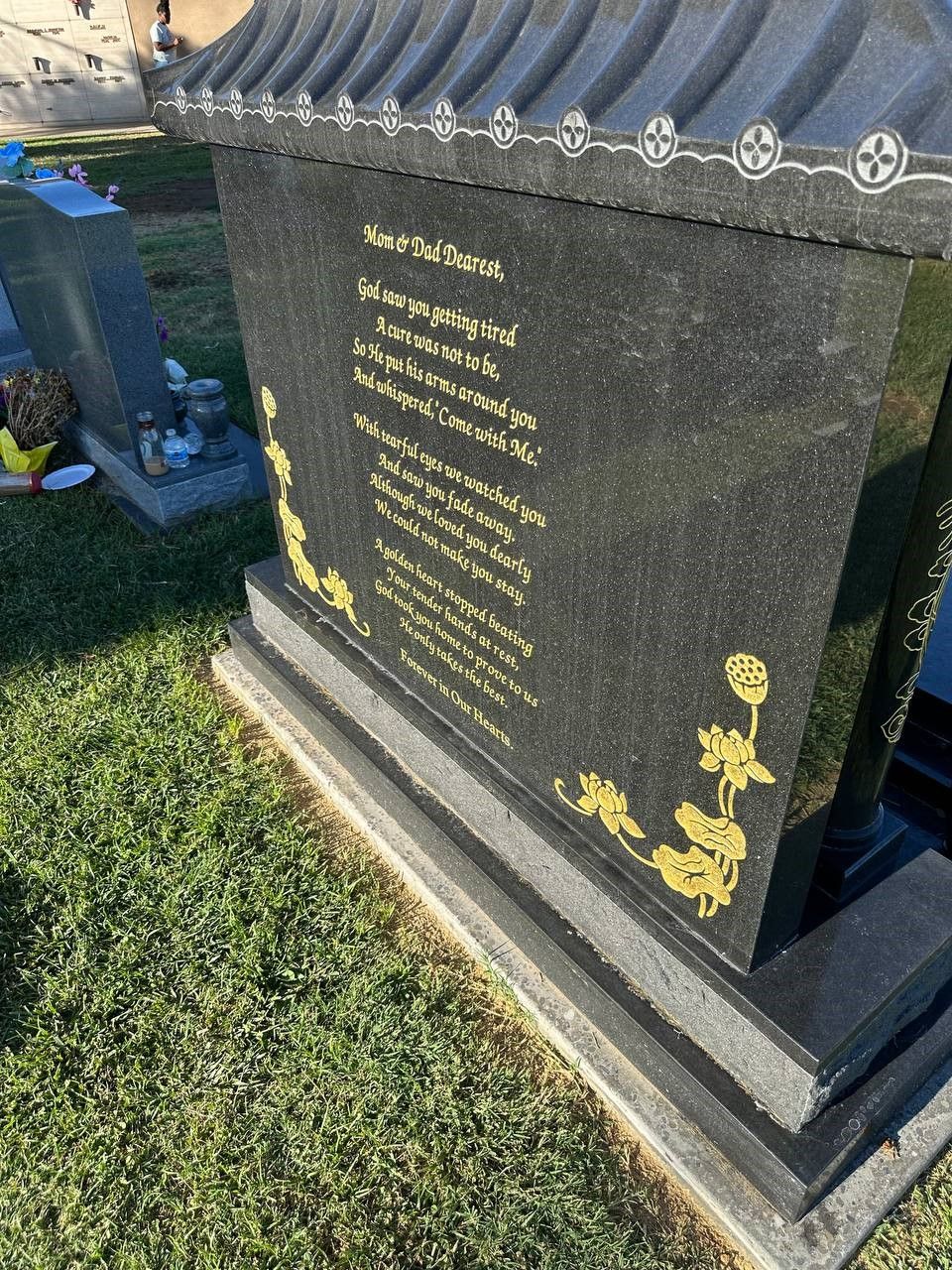
Family memorials serve as enduring tributes, standing as physical reminders of the love and respect we hold for those who have passed. Whether nestled in a historic cemetery or a modern memorial park, these monuments are exposed to the relentless forces of nature. Sun, wind, rain, and snow continuously interact with the stone and metal, gradually altering their appearance over the decades.
Preserving the pristine condition and structural integrity of these tributes requires consistent, gentle, and informed care. Ignoring routine maintenance can lead to irreversible damage, obscuring intricate engravings and weakening the very foundation of the stone.
Therefore, understanding the correct procedures for cleaning and maintaining headstones is a crucial responsibility for any family wishing to honor their ancestors.
When in doubt about complex restorations or structural issues, it is always wise to consult dedicated professionals like Monument Services to ensure that preservation efforts do not inadvertently cause harm.
Understanding Your Memorial's Material
Before initiating any cleaning process, it is strictly vital to identify the specific material from which the memorial is crafted. Different materials possess unique physical properties and vulnerabilities, meaning a cleaning agent that is perfectly safe for one type of stone could be devastatingly corrosive to another. The most common materials used in memorial construction include granite, marble, limestone, and architectural bronze.
Granite is the most durable and popular choice for modern monuments. Formed from volcanic magma, it is incredibly dense, highly resistant to scratches, and holds a polished finish well against environmental weathering. Marble, while prized for its luminous beauty and ease of carving, is a softer, porous limestone-based rock.
It is highly susceptible to acid rain and harsh chemicals, which can cause the stone to slowly dissolve and lose its structural sharpness over time. Limestone is similarly porous and prone to erosion, often absorbing environmental pollutants and moisture, leading to severe biological growth.
Bronze, frequently used for flat markers and architectural plaques, develops a natural patina as it oxidizes. While some families appreciate this aged, historical look, others prefer to maintain the original factory finish through specialized protective waxing.
Basic Cleaning Guidelines
The golden rule of monument maintenance is to "do no harm." Aggressive cleaning techniques, power washing, and abrasive tools strip away the protective layers of the stone, accelerate weathering, and cause micro-abrasions that invite dirt and biological growth. To safely clean a standard granite or marble memorial, follow these essential principles:
- Always use clean, natural water:Bring plenty of distilled water to the cemetery. Tap water can contain minerals like iron or calcium that may leave permanent stains or deposits on porous stone.
- Use soft, non-abrasive tools:Rely exclusively on soft-bristled nylon brushes, natural sponges, and clean microfiber cloths. Never use wire brushes, steel wool, or abrasive scouring pads.
- Start from the bottom up:While it seems counterintuitive, cleaning from the bottom to the top prevents dirty water and cleaning solutions from streaking down the dry stone, which can cause permanent staining.
- Rinse constantly:Do not let dirty water or cleaning solutions dry on the stone. Rinse the area thoroughly and frequently with clean water throughout the process.
- Avoid household chemicals:Never apply bleach, ammonia, acidic bathroom cleaners, or standard household detergents. These chemicals break down the chemical bonds in marble and strip the polish off granite.
Dealing With Biological Growth
One of the most persistent challenges in memorial maintenance is the accumulation of biological growth. Because cemeteries are often shaded by large trees and surrounded by vegetation, monuments provide an ideal substrate for moss, lichen, algae, and fungi to thrive. These organisms are not merely cosmetic nuisances; they actively damage the stone.
Lichen, for instance, secretes mild biological acids that slowly dissolve the minerals in the stone, creating tiny pits where their root systems anchor themselves. Over time, this biological weathering severely degrades the monument's inscriptions and overall structural integrity.
Removing these organisms requires absolute patience. Do not attempt to forcefully scrape dry lichen off the stone, as this will inevitably pull microscopic pieces of the stone away with it. Instead, thoroughly soak the monument with clean water and carefully use a soft wooden or plastic scraper to gently coax the saturated growth off the surface.
For persistent growth, specialized, non-ionic biological cleaning solutions specifically formulated for historic masonry can be applied, but these must be used strictly according to the manufacturer's directions.
Structural Assessments And Professional Help
Beyond aesthetic cleaning, a critical aspect of monument careis monitoring its structural stability. Every time you visit the memorial, take a moment to inspect the joints between the base, the die (the upright stone), and any surrounding borders or vases.
Look for signs of cracking in the concrete foundation, crumbling mortar, or the stone leaning significantly to one side. Environmental factors like frost heave, soil subsidence, and tree root expansion can shift a monument out of alignment.
Attempting to correct structural issues yourself is dangerous and highly unadvisable. Monuments weigh hundreds or thousands of pounds, and improper handling can lead to severe personal injury or catastrophic damage to the memorial. If you notice structural instability, deep cracks, or significant sinking, contact Monument Servicesimmediately.
Professionals possess the specialized lifting equipment, industrial epoxies, and structural engineering knowledge required to safely re-level the foundation and permanently secure the memorial components without damaging the delicate stone.
Winterizing Your Memorial Site
In regions that experience harsh winter climates, preparing the memorial site before the first hard freeze is an essential preventative measure. As the temperature drops, water becomes the greatest enemy to stone monuments. Any moisture trapped in tiny fissures, vases, or unsealed joints will expand forcefully when it freezes. This expansion, known as frost wedging, is powerful enough to shatter solid granite or separate a heavy die from its base.
To winterize the site, start by thoroughly drying the stone if you have recently cleaned it. Next, completely empty any built-in urns or stone vases of water, soil, and dead flowers. It is highly recommended to invert these vases or cover them with tightly fitted, heavy-duty plastic to prevent snowmelt and freezing rain from accumulating inside.
Check the epoxy seals around the base of the monument; if they appear compromised, professional resealing may be required before winter sets in. Finally, avoid the temptation to cover the entire monument with tarps or plastic bags. These makeshift covers trap condensation against the stone and create a greenhouse effect that accelerates biological growth.
Recommended Maintenance Schedule
Consistency is key to preserving a memorial. By following a regular maintenance schedule, families can prevent the buildup of damaging environmental pollutants and address minor issues before they necessitate expensive professional restoration.
Visual Inspection
- Recommended frequency:Bi-annually
- Best season:Spring and fall
- Tools/materials required:None — visual check only
Gentle Water Rinse
- Recommended frequency:Annually
- Best season:Late spring
- Tools/materials required:Distilled water and soft sponge
Deep Brush Cleaning
- Recommended frequency:Every 3–5 years
- Best season:Summer
- Tools/materials required:Soft nylon brush and non-ionic cleaner
Weed/Grass Trimming
- Recommended frequency:Monthly
- Best season:Spring to autumn
- Tools/materials required:Hand clippers — avoid trimmers
Professional Assessment
- Recommended frequency:Every 10 years
- Best season:Any season
- Tools/materials required:Expert consultation
Preserving The Legacy For Future Generations
Caring for a family memorial is a continuous act of remembrance, a tangible way to honor the legacy and stories of those who came before us. It is a quiet, deliberate process that demands patience, the correct materials, and a deep respect for the physical boundaries of the stone. While the elements will inevitably leave their mark, proactive and gentle maintenance significantly slows the hands of time.
By avoiding harsh chemicals, utilizing soft tools, recognizing the specific needs of different stone types, and knowing when to call upon expert help, families ensure that their monuments remain dignified and beautiful.
Taking the time to properly clean and structurally monitor a headstone guarantees that the engraved names and epitaphs will remain legible, continuing to tell your family's story to generations yet unborn.
Latest Articles
Popular Articles