Choosing The Right Upright Headstone: Materials, Designs, And Key Differences
This comprehensive guide is designed to walk you through the intricate process of choosing the right upright headstone.
Apr 22, 2026484 Shares26.9K Views
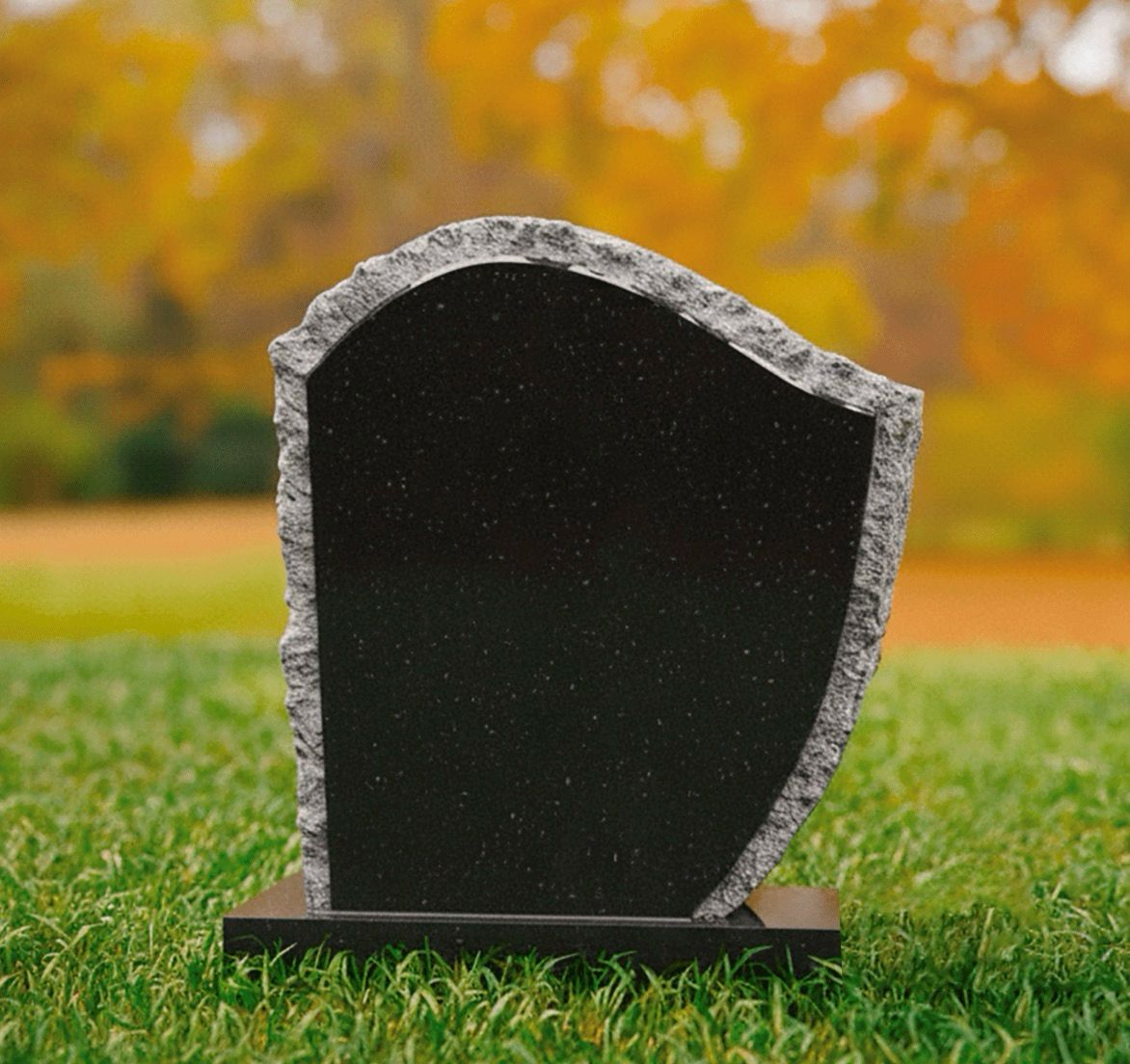
Navigating the loss of a loved one is an inherently difficult journey, fraught with both complex emotional weight and unforeseen practical challenges. Among the most enduring decisions you will make during this time of mourning is selecting a memorial. A headstone is far more than a simple marker; it serves as a permanent, physical testament to a life lived, establishing a place of gathering, reflection, and remembrance for generations yet to come.
Among the various styles available across memorial grounds, the upright headstone stands out as the most traditional, prominent, and highly customizable option. Unlike flat markers that lie flush with the grass and can easily be obscured by the elements, upright monuments rise proudly above the ground, offering a commanding architectural presence and an ample, multifaceted canvas for personalization.
This comprehensive guide is designed to walk you through the intricate process of choosing the right upright headstone. By deeply exploring the various materials, intricate design variations, advanced engraving techniques, and crucial practical considerations, this article aims to equip you with the knowledge necessary to make an informed, confident decision that truly honors your loved one’s legacy.
The Anatomy And Historical Significance Of Upright Headstones
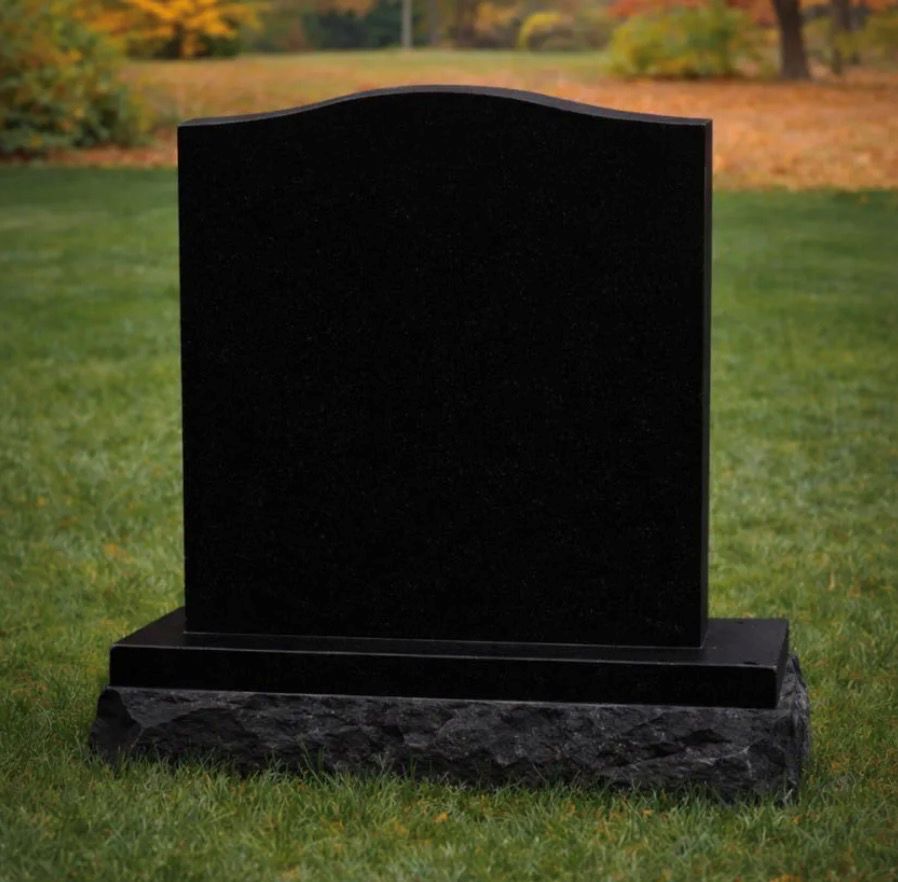
Before delving into the specific materials and aesthetic designs, it is essential to understand the basic anatomy of an upright headstone. Typically, these classic monuments consist of two primary structural components: the "die" (often referred to as the tablet) and the "base."
The die is the upper, vertical section of the stone where the primary engraving, artwork, names, dates, and epitaphs are placed. The base is the lower, horizontal block of stone that securely supports the die. The base often provides a small, unpolished or polished ledge where family members can leave flowers, stones, or mementos. In almost all cases, a deep foundation of reinforced concrete is poured beneath the base, deep into the soil, to prevent the monument—which can easily weigh thousands of pounds—from sinking, leaning, or shifting over decades of changing weather and settling earth.
The historical significance of the upright monument cannot be overstated. For centuries, across countless cultures, religions, and continents, towering stones have been utilized to mark resting places. They offer high visibility, making it remarkably easier for family members to locate a specific gravesite within a sprawling, crowded cemetery. Furthermore, the vertical orientation inherently protects the engraved face from the heavy accumulation of natural debris, standing water, snow, and direct foot traffic—hazards that frequently obscure or slowly erode flat lawn markers.
Material Selection: The Foundation Of Durability And Legacy
The choice of material is arguably the single most critical decision in crafting an upright headstone. The material dictates not only the monument's immediate aesthetic appeal but also its longevity, its specific maintenance requirements, its susceptibility to the elements, and the overall financial investment required.
Granite: The Undisputed Gold Standard
In modern memorialization, granite is overwhelmingly the most popular choice for upright headstones, and for excellent, scientifically backed reasons. Granite is an igneous rock, forged under immense heat and pressure deep within the earth's crust. This violent natural formation process results in an incredibly dense, hard, and durable material. Granite is highly resistant to natural weathering, acidic rain, and extreme temperature fluctuations—from freezing winters to scorching summers. It will not easily scratch, crack, or chip under normal conditions, and its polished surfaces can retain their brilliant, mirror-like luster for centuries without fading.
Furthermore, granite offers an astonishing, naturally occurring spectrum of colors. While traditional grays are common, highly classic, and generally the most cost-effective, granite is sourced from quarries worldwide, providing diverse options. You can select stark Absolute Black from India, vibrant Premium Red, deep shimmering Blue Pearl from Norway, or intricate, multidimensional hues like Bahama Blue, which features swirling patterns of color.
The color of the granite heavily influences the chosen engraving method. Darker granites provide high visual contrast when the polished surface is removed, making them strictly necessary for laser-etched portraits. Lighter granites, lacking that natural contrast, rely on the deep, physical shadows created by traditional sandblasting to make the text readable.
Marble: Classic Beauty With Vital Considerations
Marble has a storied, romanticized history in classical sculpture and ancient architecture. It is highly prized for its luminous, smooth, and elegantly refined appearance. Because it is a metamorphic rock, it features distinctive, flowing veining that makes every single piece entirely unique. A white marble upright headstone evokes a profound sense of timeless peace, religious purity, and traditional artistry that is hard to replicate with other stones.
However, one must be candid about the realities of marble in an outdoor environment. Marble is significantly softer and vastly more porous than granite. Composed primarily of calcium carbonate, it is highly susceptible to chemical environmental degradation, particularly from modern acid rain and industrial air pollution.
Over decades of exposure, the sharp, crisp details of a marble engraving will inevitably blur, soften, and slowly dissolve—a natural weathering phenomenon often referred to in the industry as "sugaring." While some families genuinely appreciate this gradual, antiqued weathering as a beautiful, natural reflection of the passage of time, those seeking permanent, razor-sharp details for hundreds of years should generally avoid marble.
Bronze Additions And Historical Stones
While entire upright headstonesare rarely made of solid bronze, bronze is frequently used as a premium architectural accent. Bronze plaques can be mounted to the face of a granite die, and bronze vases can be permanently affixed to the base. Bronze will naturally oxidize over time, developing a green patina unless it is regularly cleaned and resealed.
Historically, sedimentary rocks like limestone and sandstone were heavily used because they were soft enough to carve by hand with rudimentary tools. Today, because they crumble and deteriorate rapidly compared to granite, they are rarely used for new monuments unless explicitly mandated by a historic cemetery's strict preservation regulations.
Material Feature
Granite
- Origin/Type: Igneous (magma/lava)
- Durability: Exceptional
- Weathering: Highly Resistant
- Color Variety: Extensive (Black, Red, Blue, Grey)
- Maintenance: Very Low
Marble
- Origin/Type: Metamorphic
- Durability: Moderate
- Weathering: Susceptible to acid rain
- Color Variety: Limited (White, Grey, Pink)
- Maintenance: High
Limestone
- Origin/Type: Sedimentary
- Durability: Low
- Weathering: Prone to crumbling
- Color Variety: Earth tones
- Maintenance: High
Bronze (Accents)
- Origin/Type: Metal Alloy
- Durability: High (structural)
- Weathering: Oxidizes (Patina)
- Color Variety: Metallic brown/gold
- Maintenance: Moderate
Design Variations And Architectural Shapes
The silhouette of the die—the upright portion of the monument—drastically alters the headstone's overall character and emotional resonance. The shape you choose can creatively reflect the personality of the departed, strictly adhere to specific religious traditions, or simply appeal to your family's personal aesthetic preferences. The finish applied to the edges of the stone also plays a vital role in the design.
A "polished" edge is perfectly smooth and reflective, providing a distinctly modern, pristine, and clean look. Conversely, a "pitched" or "rock-pitched" edge is manually hand-chiseled by a stonemason to look intentionally rough and natural, creating a striking textural contrast with the smooth, polished front face where the text resides.
When selecting the physical profile of an upright headstone, families generally choose from the following distinct shapes:
- The Serpentine Top:This is by far the most ubiquitous and widely accepted upright shape across global cemeteries. It features a gentle, flowing, asymmetrical curve across the top crest that loosely resembles the letter "S" resting gently on its side. It perfectly balances respectful traditionalism with a soft, elegant aesthetic.
- The Oval or Rounded Top:Featuring a completely and symmetrically rounded top, this design offers a gentle, highly unobtrusive appearance. It is often chosen for its visually calming nature and its historical roots in early European monument design.
- The Gothic or Peaked Top:Characterized by a steep, dramatically pointed peak that is deeply reminiscent of classic gothic cathedral architecture. This shape carries heavy religious symbolism, intentionally designed to draw the viewer's eye upward toward the heavens.
- The Flat Top:A perfectly straight, horizontal geometric cut across the top of the die. This minimalist, highly modern design is visually striking and contemporary, though it should be noted that the flat surface can accumulate snow, falling leaves, and debris much more easily than sloped designs.
Engraving, Typography, And Personalization Techniques
The text, typography, and artwork meticulously applied to the stone are what ultimately transform a blank piece of quarried rock into a deeply meaningful, personalized memorial. The epitaph—a short phrase summarizing the individual's life, beliefs, or the family's love—requires careful thought regarding font choice. Serif fonts often convey traditionalism and formality, while script fonts offer a more intimate, handwritten feel.
Traditional Sandblasting
Sandblasting remains the industry standard and the most widely used engraving method globally. A thick, custom-cut rubber stencil is securely adhered to the polished stone. Highly pressurized abrasive sand is then forcefully blasted against the surface, easily carving deeply into the exposed, unprotected areas of the stone while leaving the stenciled areas untouched. This physical carving creates deep, three-dimensional lettering that casts natural shadows, making the text legible from a distance.
Laser Etching
Laser etching is a modern, highly precise technique that uses computerized lasers to essentially burn away the top polished layer of the stone. This method allows for photorealistic imagery, incredibly detailed scenic backgrounds, and complex custom artwork that would be impossible to achieve with a sandblaster. However, laser etching only removes a micro-fraction of the stone's surface; therefore, it absolutely requires a pitch-black, highly polished granite (like Absolute Black) to create the necessary visual contrast. It cannot be effectively utilized on lighter stones.
Hand Carving
For an unparalleled touch of artisan craftsmanship, hand carving utilizes traditional chisels and mallets to create deep, sculptural reliefs. This is often used for creating beautiful 3D flowers, religious figures, or intricate borders. While significantly more expensive and time-consuming, hand-carved elements add an unmistakable human touch and a profound level of depth to the memorial.
Navigating Cemetery Regulations And Practicalities
Before finalizing any design, purchasing a stone, or falling in love with a specific material, it is absolutely imperative to consult with the cemetery where the interment will take place. Cemeteries are heavily regulated environments, and almost all of them have strict, non-negotiable bylaws regarding the monuments placed on their grounds. Failing to adhere to these rules can result in the cemetery rejecting the delivery of the headstone entirely.
Key Cemetery Regulations to Verify:
- Size Restrictions:What are the minimum and maximum height, width, and depth allowances for the specific plot?
- Material Restrictions:Does the cemetery mandate specific stones (e.g., only granite) or prohibit certain colors?
- Finish Requirements:Are rough, rock-pitched edges allowed, or must the stone be completely polished on all sides?
- Artwork and Content:Are there restrictions on laser-etched photos, secular imagery, or specific religious symbols?
- Installation Fees:Who is responsible for pouring the concrete foundation, and what are the associated cemetery fees?
Conclusion
Choosing an upright headstone is an enduring act of love, a final physical gesture of respect that requires balancing emotional desires with earthly practicalities. By understanding the distinct geological advantages of granite over the romantic but fragile nature of marble, and by familiarizing yourself with the various architectural profiles and modern engraving techniques, you empower yourself to create a monument of lasting dignity. The journey of designing this tribute should not be rushed; it is an opportunity to distill a lifetime of memories into a permanent hallmark that will weather the centuries.
Feature Summary - Key Takeaways for Upright Headstones
Best Overall Material
Granite (Highest durability, immense color variety, minimal maintenance)
Most Common Shape
Serpentine Top (Balances elegance with traditional cemetery aesthetics)
Best Engraving for Text
Traditional Sandblasting (Deep cuts ensure centuries of legibility)
Best Engraving for Photos
Laser Etching (Requires Absolute Black granite for contrast)
Crucial First Step
Always verify cemetery bylaws beforepurchasing
During this sensitive time, dealing with complex logistics should be the least of your concerns. This is where choosing the right partner to craft your vision becomes paramount. Memory Stones serviceprovides a streamlined approach to creating beautiful, enduring monuments without the prolonged wait times or exorbitant markups typically associated with the industry, ensuring your loved one is honored promptly and beautifully.
Latest Articles
Popular Articles