Convenience Stores Are Becoming Restaurants, And That Is Changing The Technology They Need
The neighborhood convenience store has quietly taken on a second job. Alongside beverages, snacks, cigarettes, and household essentials, many stores now prepare breakfast sandwiches, deli orders, hot foods, fresh coffee, made-to-order lunches, and grab-and-go meals.
Jun 24, 2026
The neighborhood convenience store has quietly taken on a second job. Alongside beverages, snacks, cigarettes, and household essentials, many stores now prepare breakfast sandwiches, deli orders, hot foods, fresh coffee, made-to-order lunches, and grab-and-go meals. The local bodega, gas station, or corner store increasingly functions as a small food-service operation, even if many customers still think of it primarily as a convenience retailer.
That evolution has happened gradually enough that it can be easy to overlook. Yet it has fundamentally changed how many independent retailers operate. Stores that once focused primarily on inventory and checkout now manage kitchens, food preparation, custom orders, and rush periods that resemble those of quick-service restaurants.
The challenge is that many of these businesses never received the tools traditionally associated with restaurant operations.
Large restaurant chains spent years investing in digital menus, kitchen management systems, self-ordering technology, and integrated payment systems. Independent retailers often expanded their food offerings without access to the same infrastructure, forcing employees to manage growing order volumes using verbal communication, handwritten tickets, and increasingly busy front counters.
As prepared food continues to become a larger part of convenience retail, that gap has become more difficult to ignore.
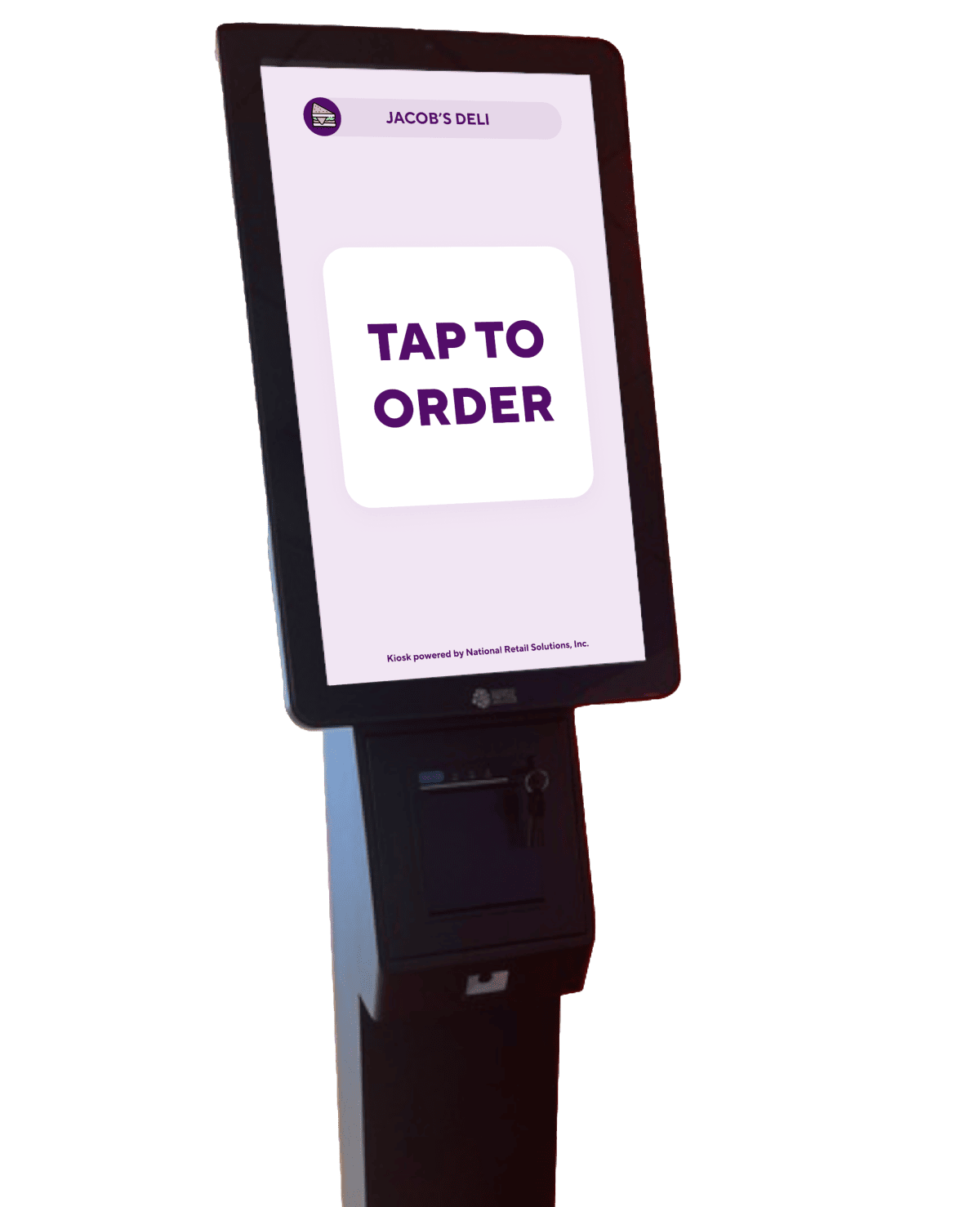
Newark-based National Retail Solutions (NRS)has spent much of the past decade building technology specifically for independent retailers. Its newest self-ordering kioskis proof of just how significantly these businesses have changed. Rather than treating the convenience store as only a retail location, the system recognizes that many operators now function as hybrid businesses that combine retail, food service, and quick-service restaurant operations under one roof.

Image Credit: National Retail Solutions (NRS)
Elie Y. Katz, the founder and CEO of NRS, argues that independent retailers have spent years waiting for technology originally designed for national chains to become affordable and practical for smaller operators. The company's self-ordering kiosk is part of an effort to bring restaurant-style ordering systems to businesses that often operate with limited staff, limited space, and narrow margins."Our new self-ordering kiosk technology brings modern automation to delis, convenience stores, and quick-service operators while allowing owners to focus on serving their customers,” said Elie Y. Katz, founder and CEO of National Retail Solutions. “The kiosk is a tool to help merchants serve more customers, take more accurate orders, and grow their business”, adds Katz.
The NRS self-ordering kiosk allows customers to browse menus, customize orders, and either pay immediately or complete payment at the register. Orders move directly to the point-of-sale system and kitchen printer, reducing the manual processes that often create delays and mistakes. Because the system connects directly with inventory and pricing, retailers can manage food operations without introducing an entirely separate technology platform.
Prepared food has become one of the most important growth areas for convenience retailers. Customers increasingly visit neighborhood stores to buy breakfast, lunch, coffee, sandwiches, and fresh meals. These purchases often carry higher margins than traditional convenience items and create stronger daily routines among customers.
As stores continue expanding these offerings, they increasingly face the same operational pressures as restaurants. Speed and accuracy matter. During busy periods, customers expect service that rivals larger chains while still valuing the familiarity that independent businesses provide.
NRS positions the technology as a way to support neighborhood retailers rather than replace the personal service that has traditionally distinguished them. The company's view is that automation can handle repetitive tasks while allowing employees to spend more time preparing food, assisting customers, and managing the broader operation.
The fact that a Newark company is building these tools is not entirely surprising. New Jersey sits at the intersection of dense urban markets, suburban retail corridors, and thousands of independently operated stores that have long adapted to changing customer habits. Convenience retailers throughout the region often serve multiple functions simultaneously, acting as grocery stores, delis, lunch counters, coffee shops, and neighborhood gathering places. The technology supporting those businesses needs to reflect that reality.
For years, the retail industry and the restaurant industry largely developed separate systems, software, and operating models. The modern convenience store no longer fits neatly into either category, occupying a space of its own somewhere between the two.
As independent retailers continue expanding their food operations, the businesses themselves may look more and more familiar. The corner store will still be there, and the regular customers will still stop in every morning, but the infrastructure behind those experiences is changing. The convenience store is becoming something larger than a store, and the technology arriving behind the counter is finally beginning to recognize it.
Edit paragraph. Please delete this text and add your content here.
Latest Articles
Popular Articles