How Regional Businesses Evaluate Automated Trading Platforms
Regional firms that work with digital assets do not need more noise on their screens. They need cleaner ways to read market movement, check blockchain activity and understand why a token or wallet deserves attention.
Jul 08, 2026136 Shares19.4K Views
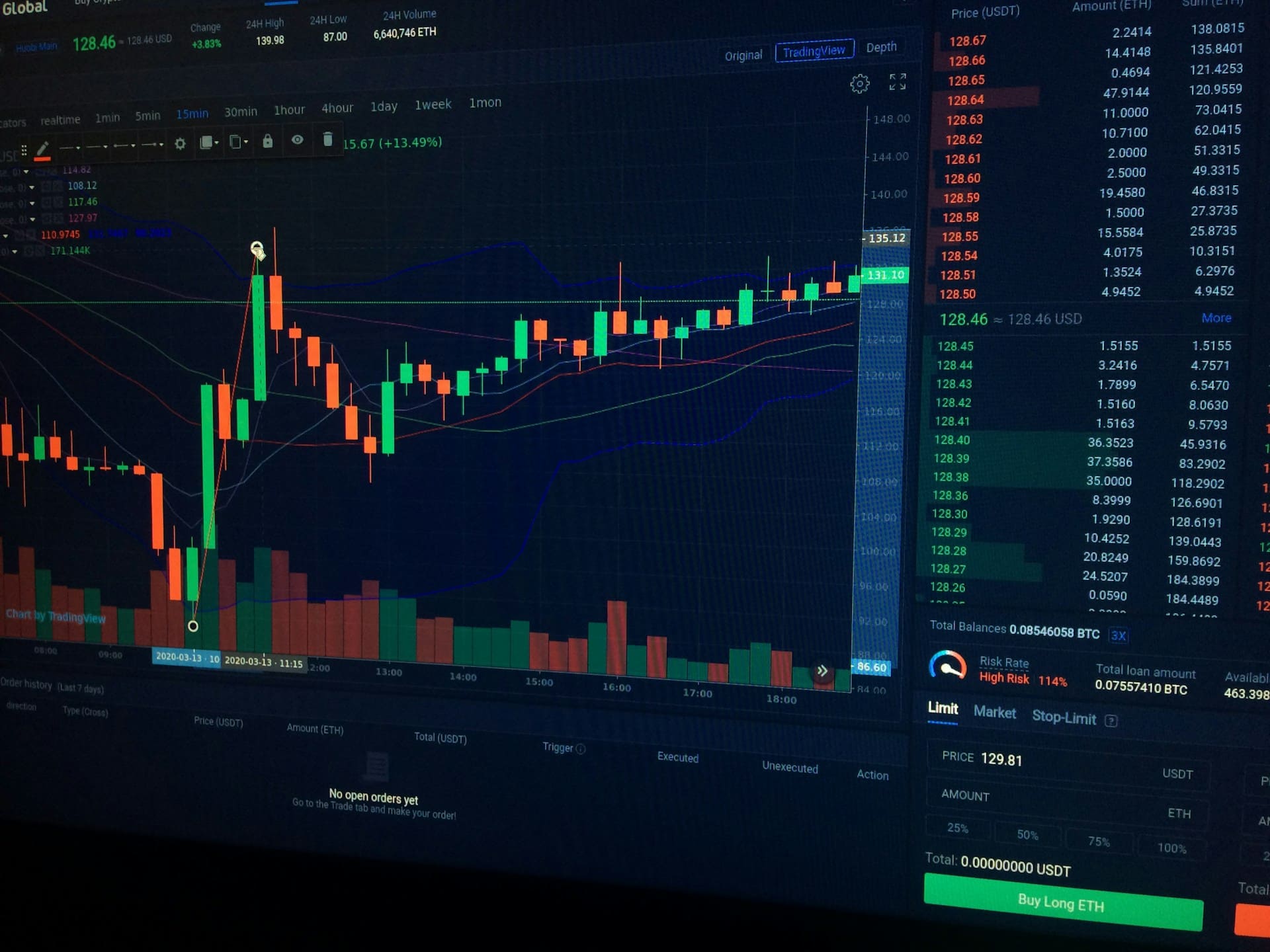
Regional firms that work with digital assets do not need more noise on their screens. They need cleaner ways to read market movement, check blockchain activity and understand why a token or wallet deserves attention.
That pressure is easy to understand in New Jersey, where smaller businesses sit close to the New York market but may not have the same research resources. For them, crypto trading tools have to save time without turning every decision into a black box.
Why regional firms need clearer market visibility
Crypto markets move quickly, but speed alone is not the only problem. The harder part is knowing which signal matters. A token can show a price change while liquidity is thinning. A wallet can move funds before volume appears on a chart. A pool can look active for a few minutes and then lose depth as a trade is being planned.
When teams still track wallet activity, liquidity changes and trade timing by hand, AI tools for crypto tradinggive them one place to review live market data, test signals and keep a clearer record of why a trade was considered.
That still leaves room for judgement. A regional business still needs someone to decide whether a move fits its risk limits, cash position and internal rules. A useful platform makes the evidence easier to review without pretending that market uncertainty disappears.
Where AI can support trading decisions
AI trading works best when it helps people process information they would struggle to watch manually. A team may want to follow token volume, liquidity pool activity, wallet flows, DEX trades and market sentiment at the same time. In a busy market, those details can change before a manual spreadsheet catches up.
A crypto AI trading setup can group those signals into a clearer workflow. It may flag unusual activity, summarise on-chain behaviour or point to changes that deserve a second look. The value sits in the review process. Traders and analysts get a faster starting point, while still checking whether the signal matches their strategy.
This matters for regional businesses that do not run a large trading desk. A small team can use AI trading tools to reduce screen switching and focus more attention before execution.
Check the data before trusting the signal
The quality of any automated platform depends on the data behind it. Data qualitymatters because blockchain data can be public, but that does not make every dashboard equally useful. Timing, chain coverage, wallet labelling, pool information and chart updates all affect the confidence a business can place in a signal.
Teams should test a platform with ordinary tasks before relying on it for live crypto trading. They can review whether price charts update cleanly, whether wallet movements match other sources and whether liquidity information appears fast enough to support a decision. If different tools show different answers, the team needs to understand why before increasing exposure.
A written record makes that easier. When a business records which signals were checked, which data sources were used and why a trade was approved or rejected, it gives managers a better way to review performance later. That record also makes it easier to improve the process after a mistake.
Build risk rules before automation expands
Automation should not be introduced before the business knows where the limits are. A platform may make it easier to spot a trade, but the company still needs internal controlsaround position size, approval levels, wallet access and review points. Without those limits, faster information can lead to faster mistakes.
A sensible rollout starts with a small portfolio or a monitored strategy. The team can test alerts, watch how signals behave during volatile periods and decide which actions require manual approval. This is especially important when a system supports swaps or execution from the same place where research happens.
Human review should stay close to the process. AI can help organise market information, but it should not be treated as a substitute for risk management. The business needs to know who can act on a signal, who reviews the trade and when the strategy should be paused.
Keep regulation and records in view
Crypto trading does not sit outside normal business discipline. If a company handles client funds, reports digital asset exposure, manages treasury positions or works with partners across borders, it needs to think about records management, approvals and compliance from the start.
The regulatory picture can be complicated, especially when assets, counterparties or customers sit in different jurisdictions. Businesses should avoid workflows that only work for the person who set them up. A manager, auditor or compliance lead may later need to understand which wallet moved, what information was reviewed and why the trade went ahead.
Audit trails, role permissions and exportable reports are not decorative features. They help turn crypto trading from a collection of fast reactions into a process the business can explain. For a regional company, that difference matters when the same small team handles research, execution and reporting.
Choose tools around daily workflow
The best automated trading platform is not always the one with the most signals. A business should look at how the tool fits the day. The team may need to move from a token chart to wallet activity without losing context, review trade notes later and connect the platform with existing reporting, custody and approval steps.
The cost still has to make sense. Subscription fees, transaction costs, data access and staff training all change the real value of the system. A tool that looks advanced may still be a poor fit if it adds work for the people who have to use it every day.
For regional businesses, the practical goal is not to chase every market move. It is to build a trading process that the team can understand, test and review later. Blockchain data, AI support and human judgement need to sit in the same workflow. Otherwise, the platform only adds another layer of noise.
Automated trading platforms can help when they make decisions clearer, not simply faster. The stronger setup gives teams better visibility before a trade, clearer limits during execution and a record they can return to after the market moves. That is where AI becomes useful for crypto trading without taking control away from the business.
Latest Articles
Popular Articles