How To Prepare Your New Jersey Home For Extreme Summer Heat
New Jersey summers have become hotter, longer, and more unpredictable. Heat waves now stretch for days, pushing home cooling systems, energy bills, and personal comfort to the limit.
Feb 03, 2026
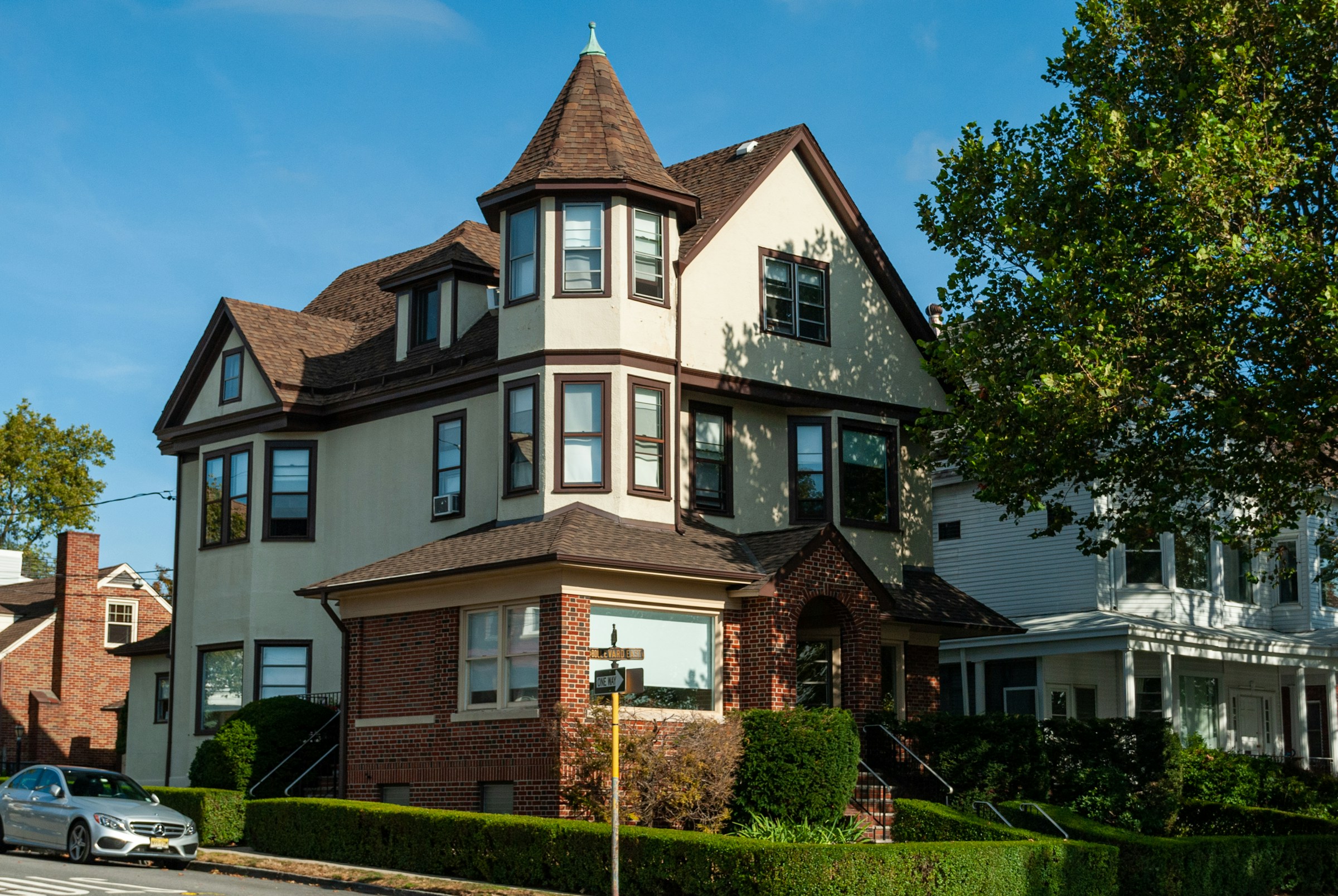
New Jersey summers have become hotter, longer, and more unpredictable. Heat waves now stretch for days, pushing home cooling systems, energy bills, and personal comfort to the limit. Preparing your home ahead of time can make a noticeable difference, not just in how cool your space feels, but also in how efficiently it operates during peak heat.
Understand How Heat Enters Your Home
Before making upgrades, it helps to know where heat comes from. Sunlight through windows, warm air seeping through gaps, and heat buildup in attics are the most common contributors. Older homes in New Jersey are especially vulnerable due to aging insulation and outdated designs that weren’t built to withstand prolonged high temperatures. Start by observing which rooms heat up faster and which areas stay warm even at night. These clues often point to insulation gaps, air leaks, or ventilation issues.
Seal, Shade, And Insulate Strategically
Small fixes can deliver big results. Weather-strip your doors and windows to help keep cool air inside. Use blackout curtains in rooms that tend to receive direct afternoon sunlight. In attics, proper insulation and ventilation can dramatically reduce the amount of heat radiating downward into living spaces. These improvements don’t just make your home more comfortable; they also reduce the strain on your cooling systems when temperatures spike.
Make Sure Your Cooling System Is Summer-Ready
A cooling system that hasn’t been inspected or maintained may struggle during extreme heat. Dirty filters, worn components, or minor airflow issues can significantly reduce performance when demand is highest.
Many homeowners turn to trusted companies providing HVAC Services in New Jerseyto check their system's efficiency, clean internal components, and catch problems early before they escalate. Professional inspections can help ensure your cooling system runs smoothly during heat waves, rather than breaking down when you need it most.
Manage Indoor Heat Day To Day
Daily habits play a significant role in keeping temperatures manageable. As much as possible, refrain from using heat-generating appliances during the hottest times of the day. Change your traditional bulbs to LED lighting, as they produce less heat. Use ceiling fans as they can help circulate air and make the rooms feel cooler. If you’re working from home, concentrate your activities in cooler parts of the house during peak afternoon hours.
Plan For Power Outages And Heat Emergencies
Extreme heat often coincides with grid stress and power outages. Prepare by keeping battery-powered fans, cold packs, and plenty of water on hand. Identify the coolest area in your home and make it your primary living area during outages. For households with elderly residents, young children, or medical needs, having a heat contingency plan isn’t optional; it’s essential.
Endnote
Preparing your New Jersey home for extreme summer heat isn’t about one big upgrade; it’s about layering smart decisions. Sealing leaks, managing sunlight, maintaining cooling systems, and adjusting daily habits all work together to improve comfort and reliability.
As summers continue to intensify, proactive preparation helps protect not only your home but also your health, energy costs, and peace of mind. A cooler, more resilient home starts with planning before the next heat wave hits.
Latest Articles
Popular Articles