Legal Action After Offshore Accidents
Maritime law is a specialty that covers the situation of injuries and accidents that occur at sea, and it also provides workers with special legal protection so they can receive their benefits.
Jan 28, 2026
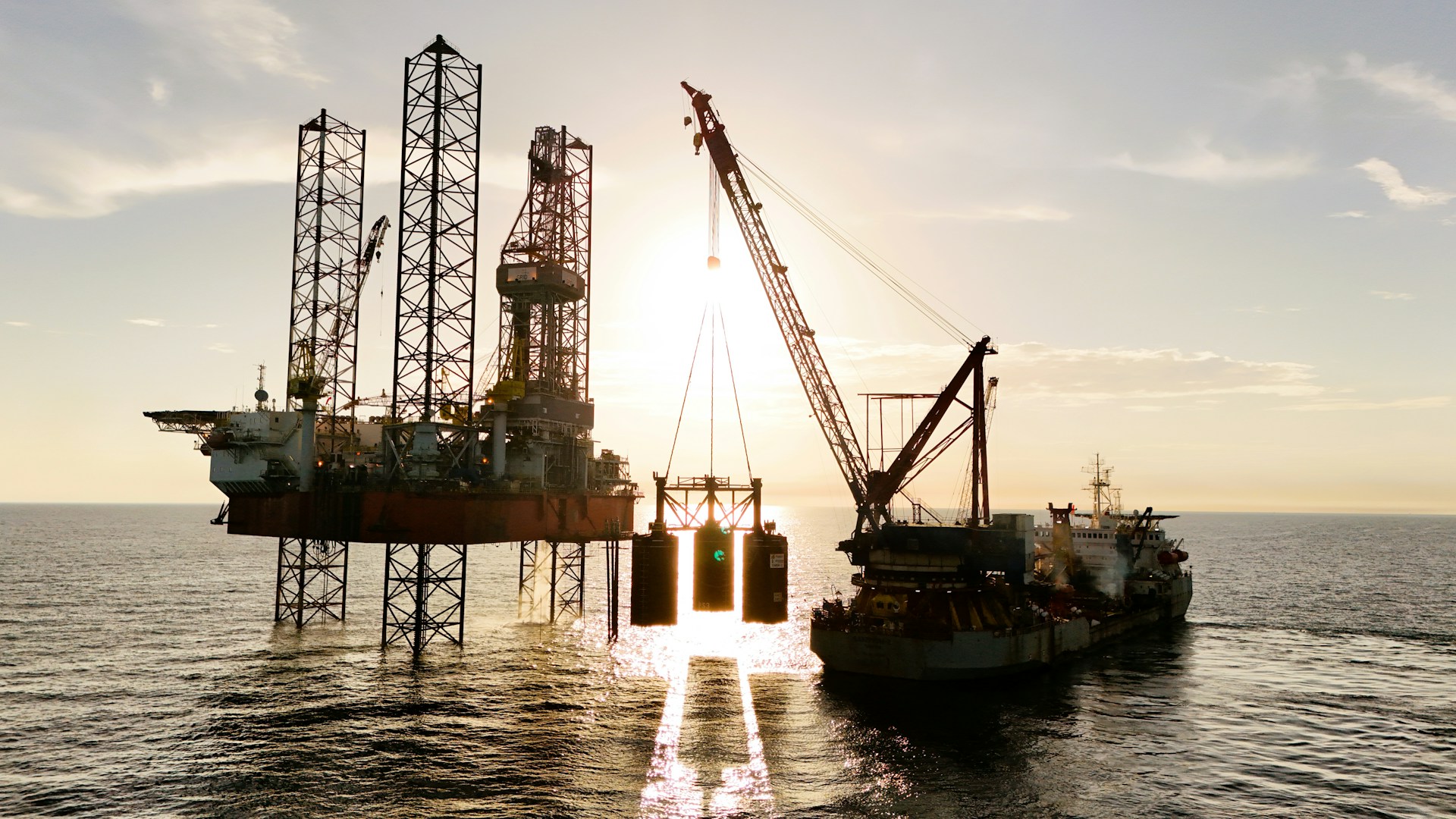
The U.S. Coast Guard (USCG) has documented 1,806 marine accidents that were subject to inspection, with an overall count of 2,084 vessels involved. This year's number reflects a minor decline in comparison to the prior year's statistics, which reported 1,821 accidents.
The minor decline is a clear but subtle indication that the safety measures have been introduced and, as it were, become effective slowly but surely over time. Nevertheless, one has to admit that there are still numerous risks connected with the conduct of offshore and shipping operations.
Maritime law is a specialty that covers the situation of injuries and accidents that occur at sea, and it also provides workers with special legal protection so they can receive their benefits. In many situations involving accidents at sea, federal laws, instead of state workers’ compensation (which normally is the case), are applied.
According to Maritime injury lawyer John A. Collins, III, the Jones Act allows not only cargo vessels, fishing boats, and work barges but also any other boats carrying people or goods, and all vessels for that matter, to be protected. This legal structure is very important for the global maritime trade. The law also contributes to maintaining the United States’ interests in the shipping industry.
Let’s see what legal actions are available for individuals who are involved in offshore accidents.
Understanding Maritime Law And Its Implications
Maritime law covers all activities such as shipping, fishing, and even development in marine waters. This law protects your rights as a worker engaged in activities over or near the water.
Knowing maritime law helps you be in a better position to interpret legal claims and responsibilities after an accident. The scenario caters uniquely to the protections given by statutes like the Jones Act, offering numerous protections for those workers who may suffer injuries during the course of their work.
You also need to learn to manage your insurance concerns after a boating accident or injury, according to a Baton Rouge boat accidentattorney. By speaking with a skilled maritime lawyer, you are granted all your rights and obligations.
Knowing the legal possibilities gives you the power to choose rightly. Maritime laws can either benefit or disadvantage an individual seeking legal remedies. Getting acquainted with maritime law is very necessary if you work in the industry.
Common Types Of Offshore Accidents
Slips or falls in wet places are a common type of offshore accident. Equipment failure becomes even more dangerous and is often avoidable if safe practices are implemented. Cranes, hoists, and other equipment are also prone to occasions of breaking down and causing accidents.
Another kind of risk involved in offshore accidents is exposure to harm from dangerous substances. This type of accident can happen while drilling and doing maintenance work. To a certain extent, the repercussions of such mishaps have a devastating effect on the physical, psychological, and financial aspects of a victim’s life.
One has to take into account the potential hazards associated with being near drowning as an offshore worker. By sharing and discussing safety practices at the workplace, workers may get a better insight into the possible risks and this can contribute to making the offshore environment safer for all.
Legal Rights Of Offshore Workers
An offshore worker must be aware of their legal rights. A safe work environment lays a duty upon the employer to protect workers from possible hazards.
If you sustain an injury, you are entitled to receive medical care and to report it without facing harassment. Your eligibility for relief or non-relief will hinge on your profession and location, which in turn can lead to the application of either the Jones Act or the Longshore and Harbor Workers' Compensation Act for you.
Steps To Take After An Offshore Accident
The exact course of actions taken after an offshore accident can have a favorable effect on both your healing process and the legal options available to you.
If you think that your injuries are only minor, it is still highly recommended to get a doctor’s appointment right away. Aside from your lawyer or doctor, do not share important details regarding the accident with anyone else. Take photographs and record the accident site in detail.
Accounts from bystanders are important for strengthening your case. You should get their names and contact information. Tell your supervisor about the injury right away. See to it that a formal accident report gets done.
Keep a record of all the medical treatments you receive and any communication regarding the accident. It is important to limit discussions about the accident to your lawyer and the treating doctor. Consult an attorney who knows about offshore accidents to guide you through your options and rights. These first few steps will not only safeguard your health but will also assist the successful filing of any case forwarding.
Seeking Compensation: Options And Resources
When you have an offshore issue, the first thing to do is decide what damages you can ask for to help you recover. Those working in the maritime industry may ask the Longshore and Harbor Workers' Compensation Act for compensation standards. Medical care can be withdrawn from maintenance and cure benefits for exercises or wage loss compensation.
If there is any negligence to prove, one can also file a personal injury claim against the defendant. The case needs to be backed by testimonial evidence such as witnesses and medical reports. A maritime lawyer will help you get a better view of your case and will also support you in your struggle to receive the rightful compensation.
Latest Articles
Popular Articles