13 Top Places To Buy A Home In New Jersey | Best For Families 2025
Top New Jersey areas for buying a home balance commute, school quality and taxes. Here's how to compare monthly costs with day-to-day benefits and lists real community examples.
Oct 31, 2025
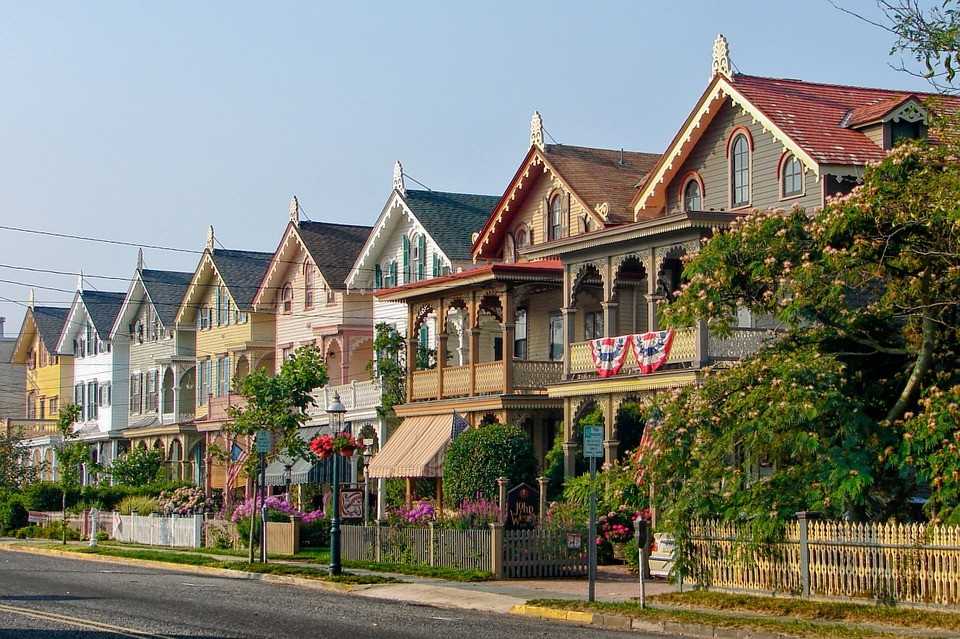
A town with $14,000 in annual taxes may have school districts that make the cost worth it. Smart buyers look at the whole picture, commute time, school quality, tax level, future resale value and how the area fits their lifestyle.
After reviewing current market data, tax rates, school ratings and real buyer experiences across the state, these places stand out as the best opportunities for homebuyers in 2025. Each one offers different strengths depending on your needs and priorities.
1. Princeton Junction

Princeton Junction is widely seen as one of the best places to buy a home in New Jersey. Schools get top marks and the town scores high for overall livability. A typical house costs about $700,000, placing it above average for the state.
The biggest draws are the schools and the transit links. People like the quiet, suburban feel and the easy trips to big city jobs. Local public schools in the West Windsor-Plainsboro district rank near the top in the state.
The township also offers many parks and playgrounds for active families. Property taxes tend to be higher, often in the $15,000 to $18,000 range on a typical home. The neighborhood is mostly families with school-age children and young professionals starting out.
2. Jersey City
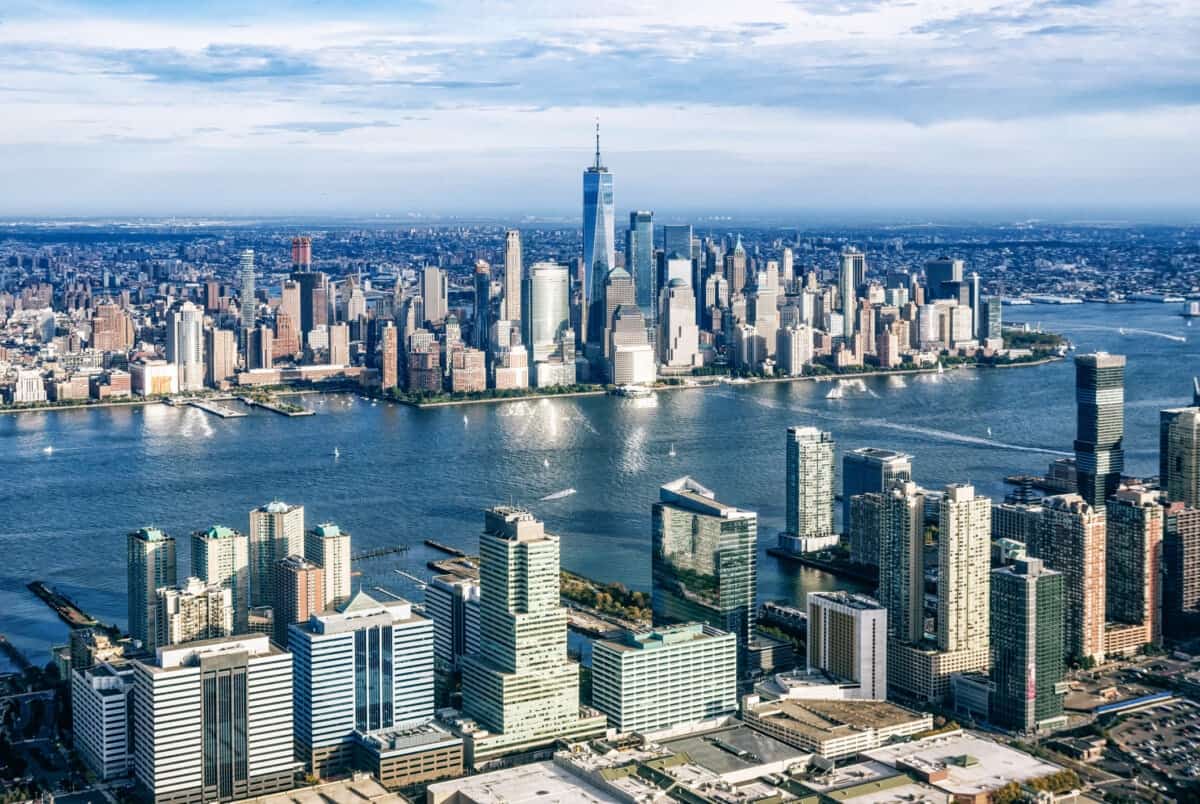
Jersey City has become the top urban option in New Jersey. The average house price is about $645,000, which is lower than similar areas in New York across the river. The PATH traintakes people into Manhattan in minutes.
The city mixes tall condo towers, older homes, waterfront parks, and many strong restaurants. The skyline and river views are a big part of the appeal. Downtown has a lively vibe with craft breweries, global restaurants, art spaces, and weekend markets.
Liberty State Park offers large waterfront green space and views of the Statue of Liberty. Young professionals like the urban life at lower cost than New York City. Effective property tax rates are around 1.919 percent, which works out to roughly $12,400 a year on a $645,000 home.
3. Montclair
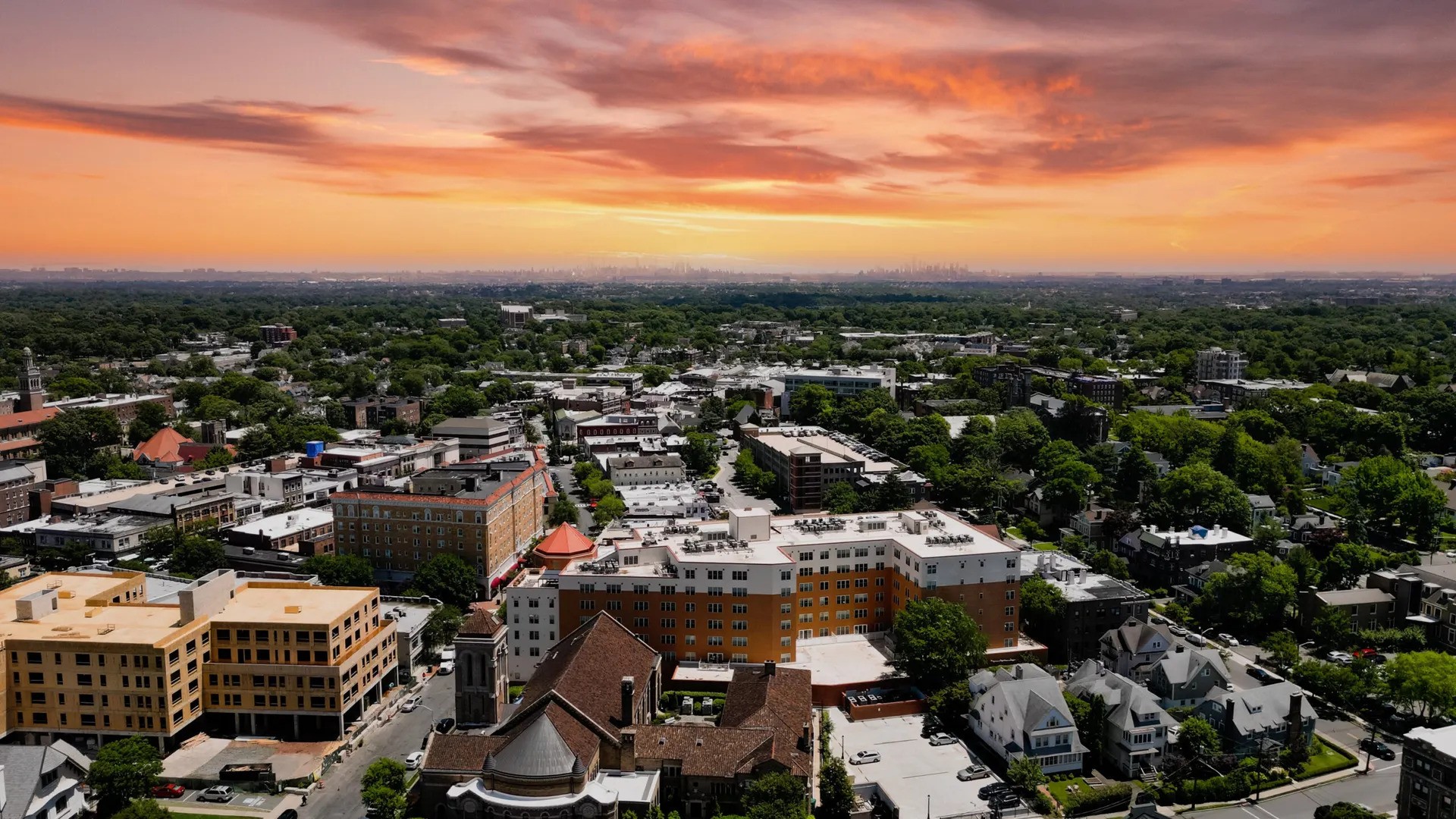
Montclair mixes suburban living with a lively arts scene. The average home price is about $660,000, reflecting steady demand from creative workers and families. The town has many galleries and theaters, plus parks and activities families enjoy.
The downtown draws both young professionals and longer-term residents with independent shops, restaurants, bookstores and live music spots. The Montclair-Boonton rail line gets riders to Penn Station in about 45 minutes.
Schools are praised for strong academics and arts programs. Property taxes are on the higher side, often between $16,000 and $19,000 a year for a typical home. Residents point to school quality, cultural events and active community life as reasons the cost is worth it and why home values stay steady.
4. Hoboken
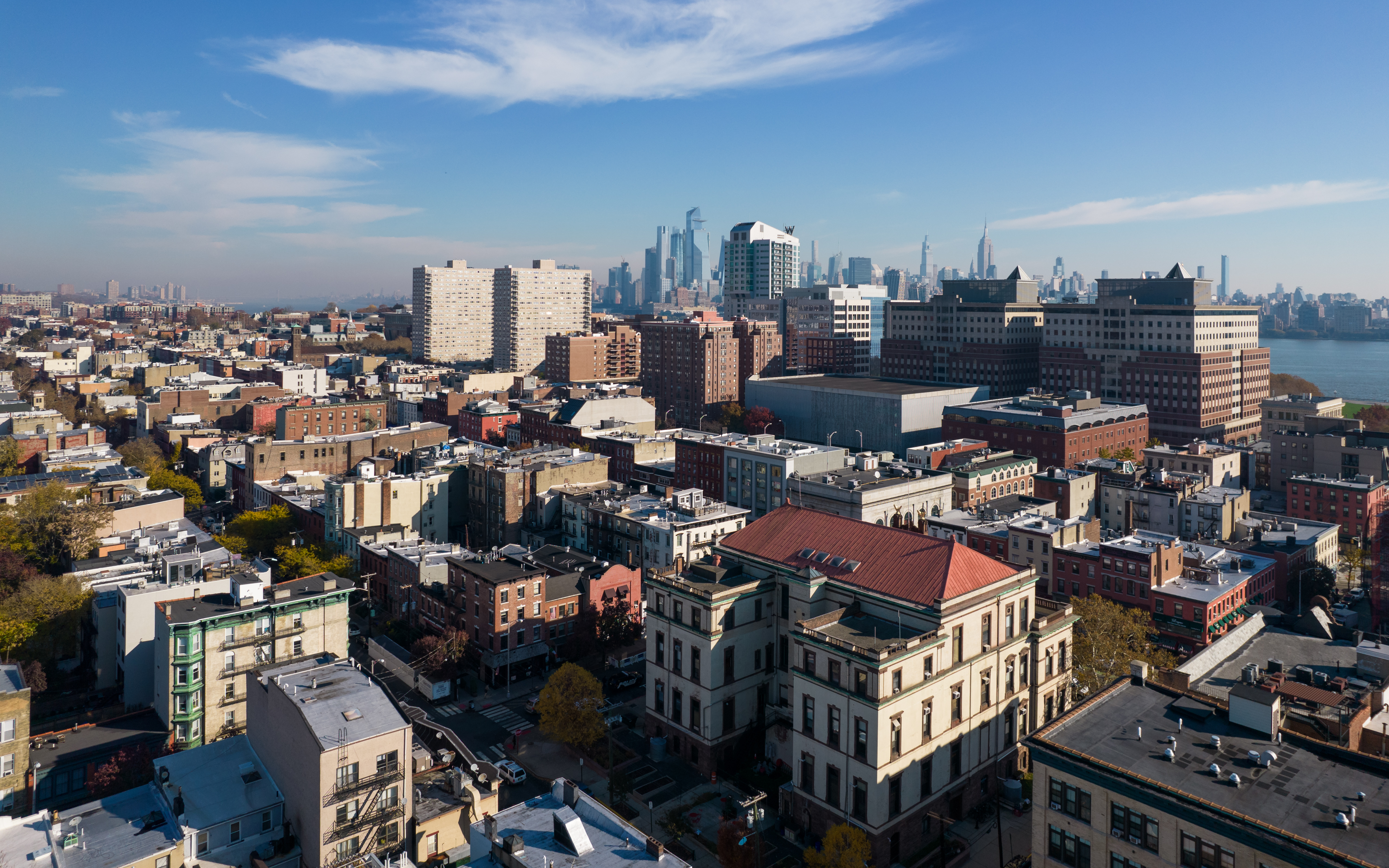
Hoboken gives city life close to Manhattan but at lower prices. The typical home value is about $750,000. Condos can start in the low $400,000s, while brownstones often sell for more than a million.
The town is only about one square mile, so most daily needs are within walking distance. A waterfront promenade along the Hudson adds open space and great views. Property tax rates are low for the area, roughly 1.109 percent and overall housing costs can be cheaper than living in New York.
The population is young, with a median age near 32, which keeps the nightlife and dining lively but means fewer options geared to families. Public schools do the job but do not have the reputation of top suburban districts. Most residents live in condos, so plan for HOA fees of about $300 to $800 a month.
5. Summit
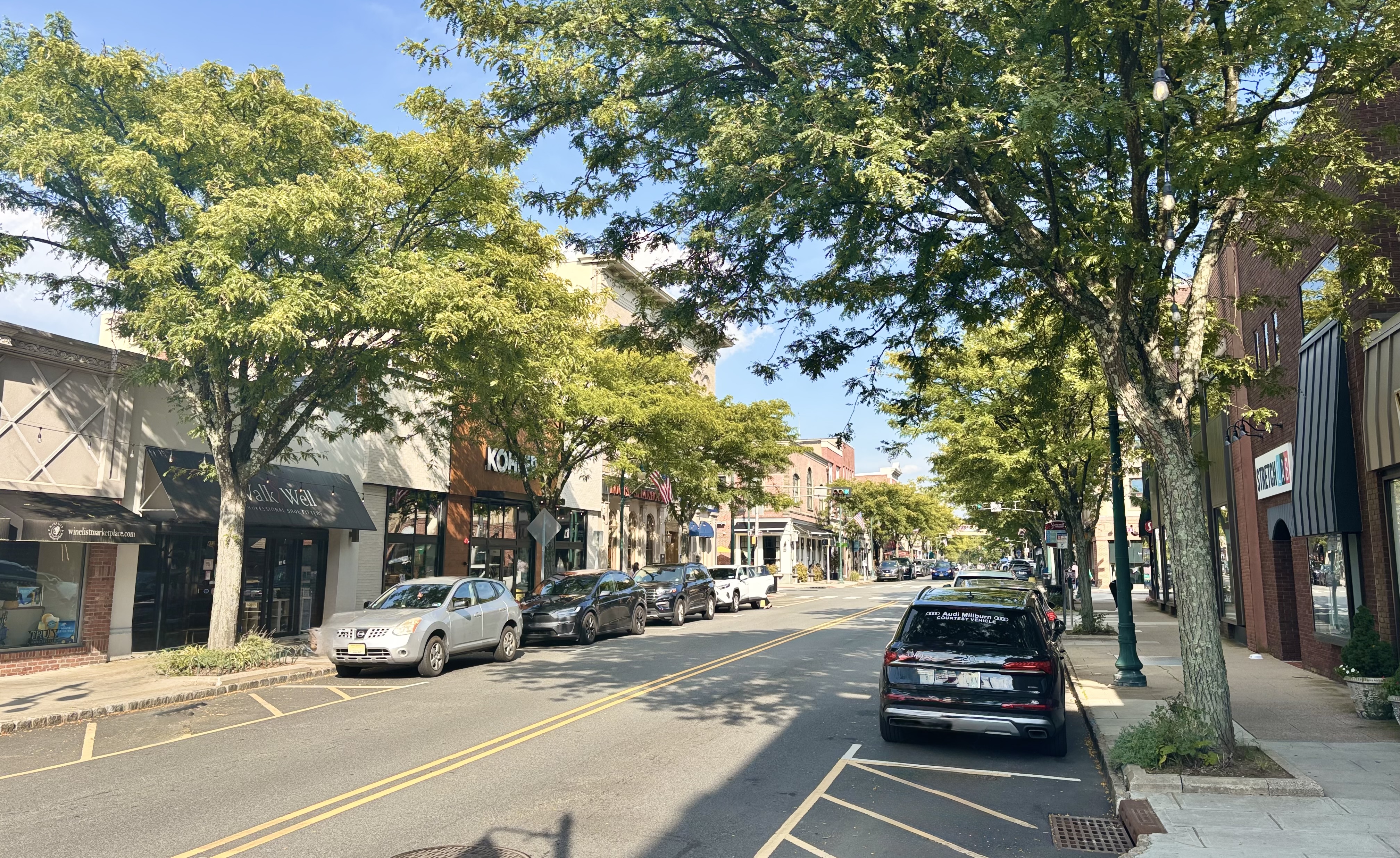
Summit is a traditional commuter town with tree-lined streets, strong schools, and an active downtown. The median home price is around $900,000, reflecting long-standing demand.
Small businesses, family-run restaurants, a community theater and seasonal markets give downtown a friendly, local feel. The Morris and Essex train line gets riders to Penn Station in about 45 minutes.
Property taxes are high, typically $20,000 to $25,000 a year on an average house, but buyers accept that for great schools, low crime, and steady home values. Houses are often older styles like Colonial, Tudor, and Victorian, and some lots are being replaced with newer builds.
6. Westfield
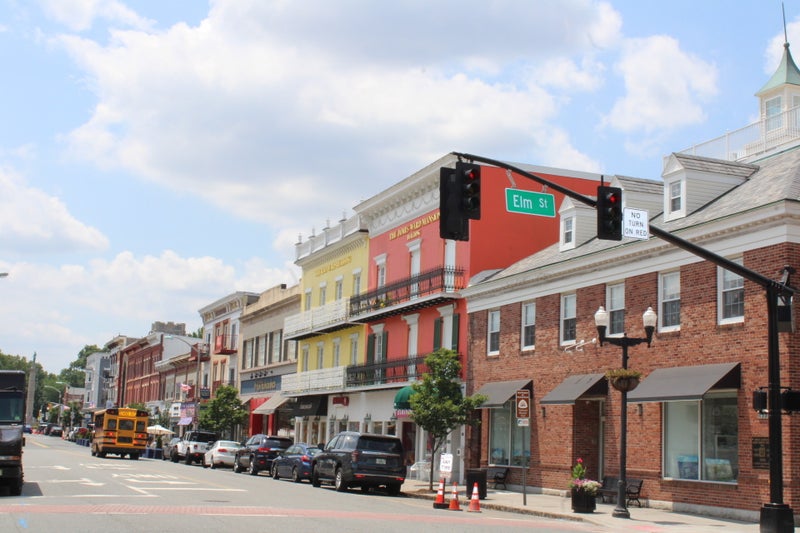
Westfield offers a small-town atmosphere with strong schools and family-focused amenities. Median home prices sit near $800,000.
The downtown area is full of independent shops, several grocery choices, restaurants and regular community events like farmers markets and summer concerts. Schools earn top marks and support arts, sports, and science programs.
Although some school buildings are older, the district invests in teachers and learning options. Property taxes usually fall between $18,000 and $22,000 a year for an average home. Parks, tennis courts, a public pool, and active youth sports create plenty of options for families.
7. Ridgewood
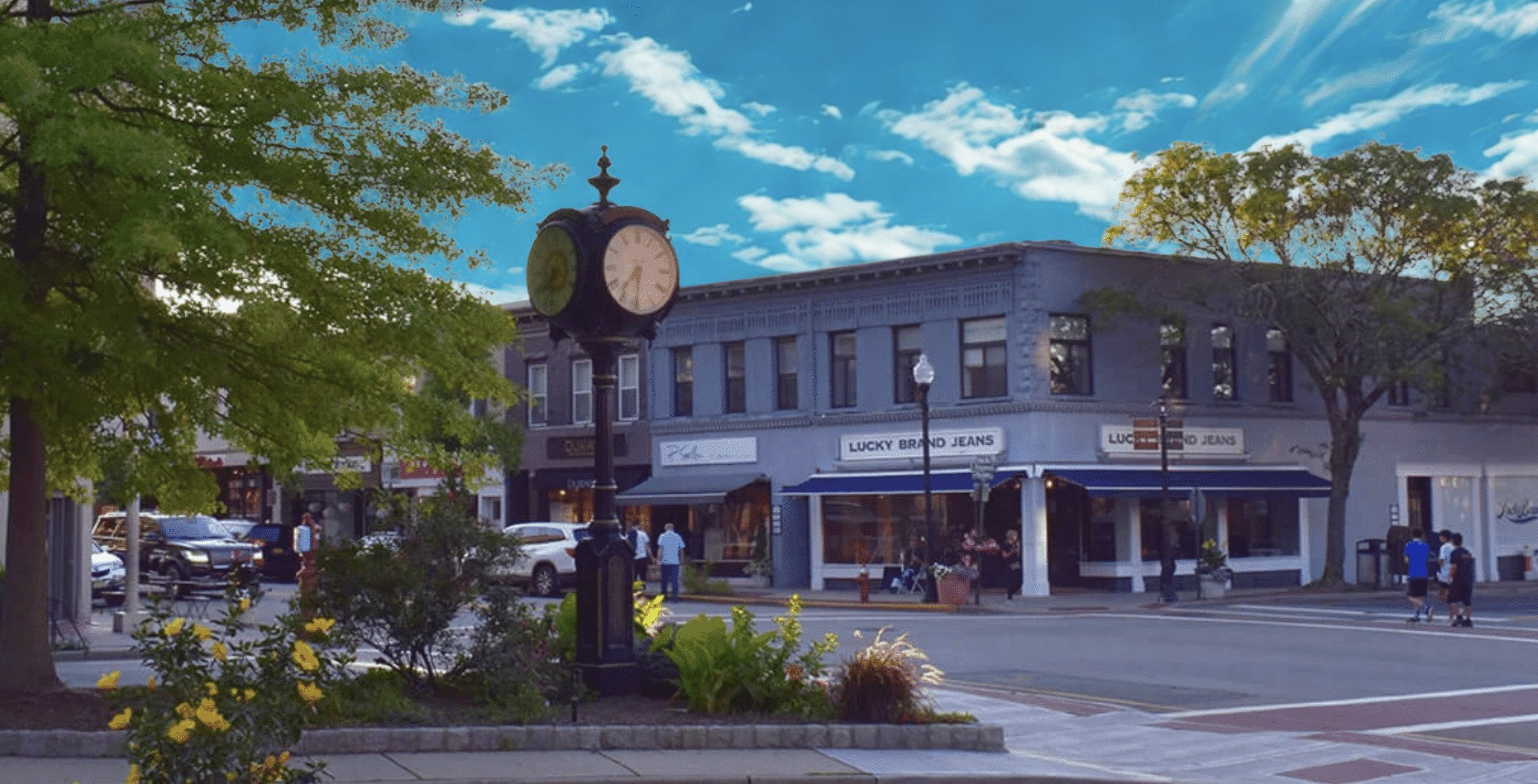
Ridgewood blends a walkable village center with top-rated schools and steady access to Manhattan. Typical home values are about $900,000. The downtown village has shops, cafes, and services within easy reach, so many errands can be done on foot.
Trains on the Main Line and Bergen County Line take about 45 to 60 minutes to Penn Station. The schools are widely regarded as excellent, with strong test scores, advanced classes, and strong college placement records.
Property taxes are among the state’s highest, roughly $22,000 to $27,000 a year on a median house, but the town’s fiscal stability offsets some of that cost. Homes tend to be larger, often older Colonials and Tudors on roomy lots, and starter houses under $600,000 are rare.
8. Morristown
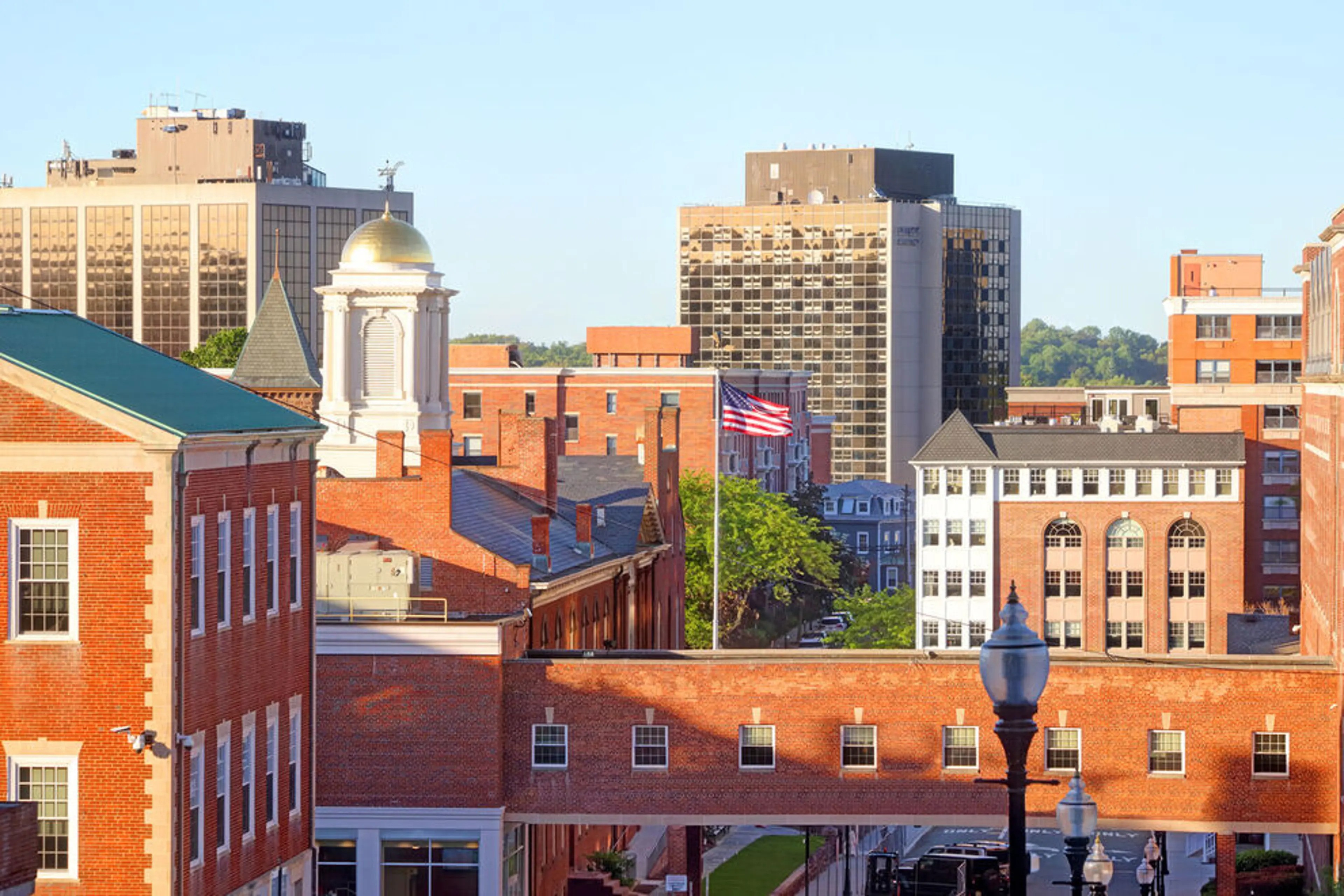
Morristown blends suburban living with a busy, walkable downtown and lots of history. The median home price is about $630,000. You will find cozy cafes, popular restaurants, live music and theater and a lively nightlife that draws people from nearby towns.
Commuting to Manhattan takes about 60 to 75 minutes on the Morristown & Erie Line or New Jersey Transit buses. Living near the station makes daily errands easy on foot.
Property taxes on a typical home range from $13,000 to $16,000 a year, which is moderate for Morris County. Homes range from older historic houses to downtown condos and newer builds, so buyers have several options. Morristown is suitable for history lovers, visitors seeking must-see museums in new jersey, food and nightlife fans.
9. Maplewood
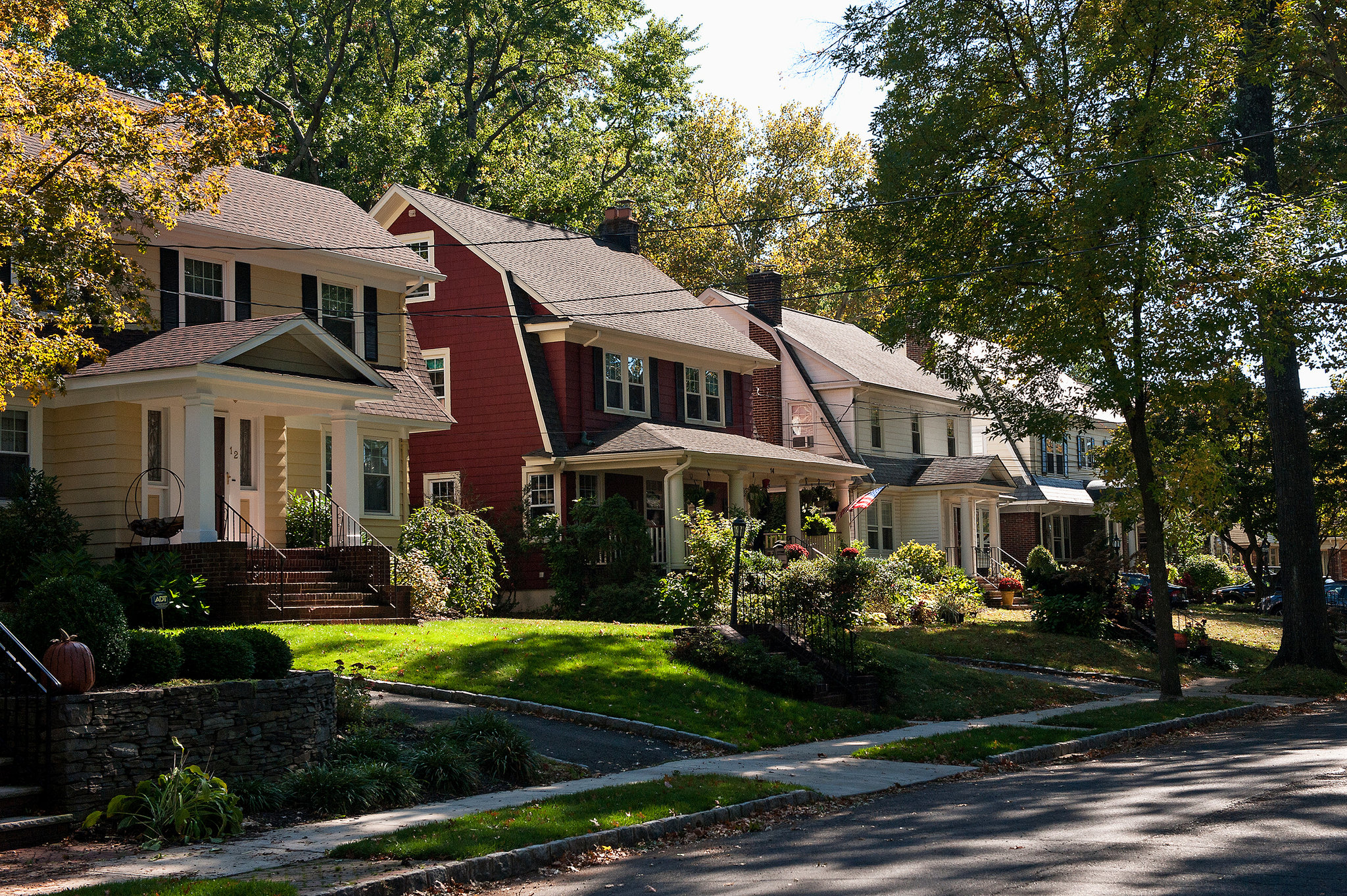
Maplewood draws creative people and families who value diversity. The median home price is around $565,000, which is affordable compared with similar towns. The town supports economic and cultural variety, making it welcoming to many different households.
The Morris & Essex Line connects Maplewood to Manhattan in about 45 to 60 minutes. The Maplewood Village station sits in the center of town so many daily needs are within walking distance.
Annual property taxes on a typical home fall near $16,000 to $19,000. Downtown has independent shops, restaurants, cafes, and frequent community events that keep people connected.
10. Haddonfield
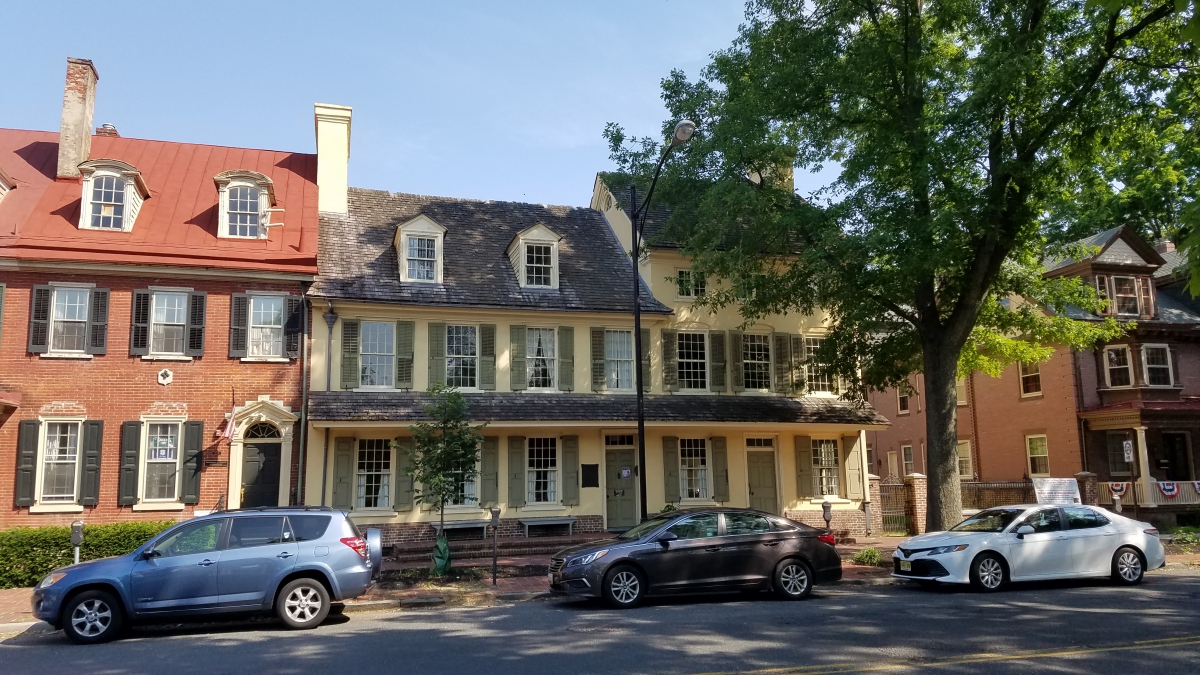
Haddonfield is a compact, historic town with strong schools and a classic Main Street. The median home price is about $550,000, a fair price for the quality offered. Victorian homes, brick sidewalks, and local shops give the town a clear sense of character.
The PATCO Speedline gets you to Center City Philadelphia in 15 to 20 minutes, making Haddonfield a great choice for city commuters. The schools are among South Jersey’s best, with strong academics, many activities and good college placement.
Property taxes for a typical home are roughly $12,000 to $15,000 a year, lower than many North Jersey towns. The community offers family-friendly events, farmers markets, and holiday celebrations that foster a small-town feel.
11. Princeton
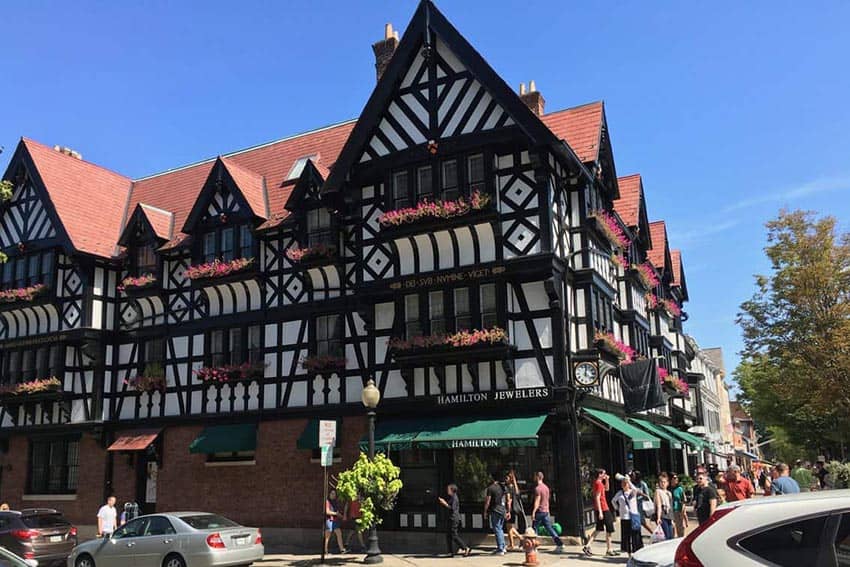
Princeton mixes Ivy League prestige with a small-town feel. Median home prices near $1.5 million make it expensive for many buyers. The town offers low crime, good transit links and many cultural options.
Princeton University brings steady cultural life and striking architecture. Public lectures, concerts, art shows and sports provide year-round events that are often free or low cost. The downtown has independent bookstores, fine dining, specialty shops and cultural venues.
Public schools benefit from well-educated parents and strong funding. On a median-priced home, annual property taxes tend to be in the $25,000 to $35,000 range.
12. Ocean City
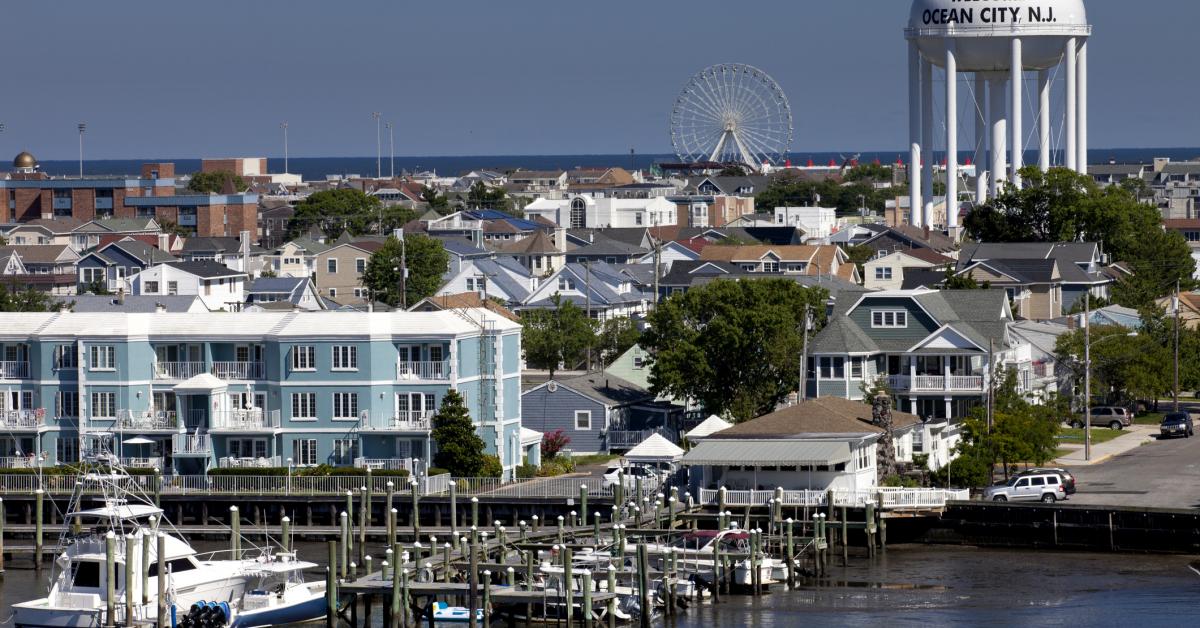
Ocean City works as a year-round home and a vacation or rental property. Median prices range from about $500,000 to more than $2 million depending on location and type.
The town is known for a family-friendly, alcohol-free boardwalk. That creates a calmer, safer vibe than party-focused shore towns and draws families who want a beach life without nightlife. The permanent population is small, and the town gets very busy in summer.
Local public schools are small but serviceable; families focused on academics often pick larger mainland districts. Annual property taxes generally fall between $8,000 and $15,000, and shore homes add costs like flood insurance and storm-related upkeep.
13. Livingston
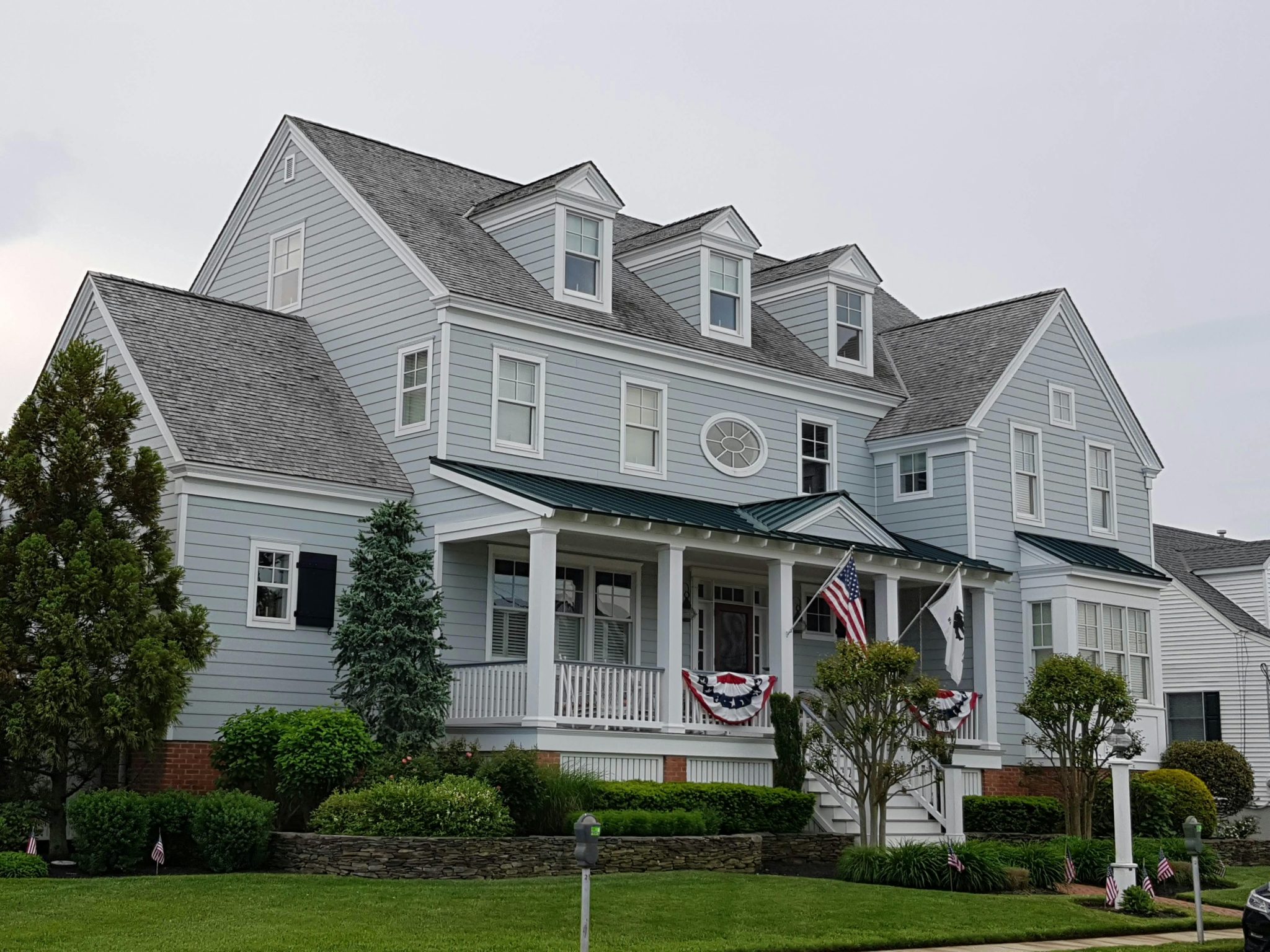
Livingston offers top-rated schools, low crime, and high household incomes, with medians over $280,000. Its location near Manhattan and strong local amenities help keep home values steady.
Public schools rank among the state’s best. They provide tough academics, competitive sports, and many clubs, which leads to strong college placements but also creates pressure some families find intense.
Property taxes on a typical home usually run from $20,000 to $27,000 a year. Many locals accept the bill because of school quality and safety. The town manages its finances conservatively and holds a AAA credit rating.
Understanding New Jersey Property Taxes
As of 2025, New Jersey’s average property tax rate is 2.23 percent. On a $400,000 house that works out to about $8,920 a year. That statewide number hides big differences between towns.
These taxes pay for local services like schools, police, fire departments, road repairs, and town operations. Places with strong schools and many services charge more to cover those costs. Smart buyers add taxes to the price when they compare homes and often consult local forums or anonymous chat roomsto learn neighborhood details.
Current Market Conditions And Trends
By late 2025 the average New Jersey home value was about $569,314, a 4.6 percent increase from the prior year. Homes typically go to pending in about 16 days, which shows steady demand despite higher costs. More homes are listed now, giving buyers more room to negotiate than in past years.
Closed sales dropped 5.4 percent year over year while listings rose 11.4 percent, yet prices kept rising. This means the best locations and well-prepared listings still sell for strong prices. Single-family houses saw the biggest gains. The median for these homes reached $625,000, well above townhouses and condos at about $430,000.
This reflects ongoing demand for more space after recent shifts in buyer priorities. Mortgage rates near 7 percent have lowered buying power. Many buyers have to compromise on size, location, or the condition of the property.
FAQs About Buying A Home In New Jersey
Are New Jersey Property Taxes Deductible?
For federal taxes, state and local tax deductions are capped at $10,000 a year.
How Do New Jersey Home Prices Compare To Nearby Areas?
New Jersey’s median home price is around $548,338. That often makes it cheaper than buying in New York City, which attracts many Manhattan workers.
What Should Buyers Know About New Jersey Home Inspections?
Sellers must give written disclosures about a home’s condition, but inspections are still important.
Are New Jersey Schools Worth The High Property Taxes?
Top districts like Princeton Junction score very high for academics, activities and college prep, so the higher taxes can be worth it for families focused on school quality.
What Is The Typical Timeline For Buying A Home In New Jersey?
Homes in New Jersey go pending in about 16 days on average, but that varies by town and price.
Should Buyers Consider Flood Insurance In New Jersey?
If a mortgage is backed by a federal lender and the property sits in a FEMA flood zone, flood insurance is required.
Final Thoughts
Your ideal town depends on your priorities and life stage. Young professionals who want nightlife and short rides often choose Jersey City or Hoboken. Families who value top schools lean toward Summit, Ridgewood or Princeton Junction.
The state packs many community types and housing styles into a small area, so there’s a good match for almost every buyer. Be honest about what you truly need, then choose the town that delivers those priorities.
Also Check Out: Top Places To Go Fishing In New Jersey
Jump to
Latest Articles
Popular Articles